Light + Building Review: Analogue Interaction over Artificial Intelligence
 After taking some time to collect his thoughts, lighting consultant Peter Earle shares his findings from this year’s Light + Building event.
I’ve been visiting Light + Building since 2006. It turns out then that this visit in 2026 is my 20-year anniversary. Having said in the aftermath of the 2024 edition that I wouldn’t return, I find myself flying Lufthansa and turning up at the Torhaus entrance. Bets were on for the highly anticipated strike action, I was taking my chances.
My opinion of trade shows these days isn’t about products, new technologies or innovation in tech. There are plenty of experts better qualified than me who come back with their lists to share. I’m more interested in innovation in the way our industry is working, the trends, the other opinions, a snapshot of where we are, and the long-term trajectory of the future of lighting.
As I walked through the Torhaus entrance, that same smell of new trade show carpets that will be landfill within a week emanated through the air. My heart sank. ‘Let’s be positive’, I thought to myself; ‘it’s Sunday, everyone is fresh it’ll be quiet-ish, I can make a good start in the Halls.’
I walked 55km in two and a half days. I saw as much as I could and met as many as I could. I made it around about a third of the show I reckon.
A big question was in my head the whole time: Is this kind of show still relevant? Is it worth it?
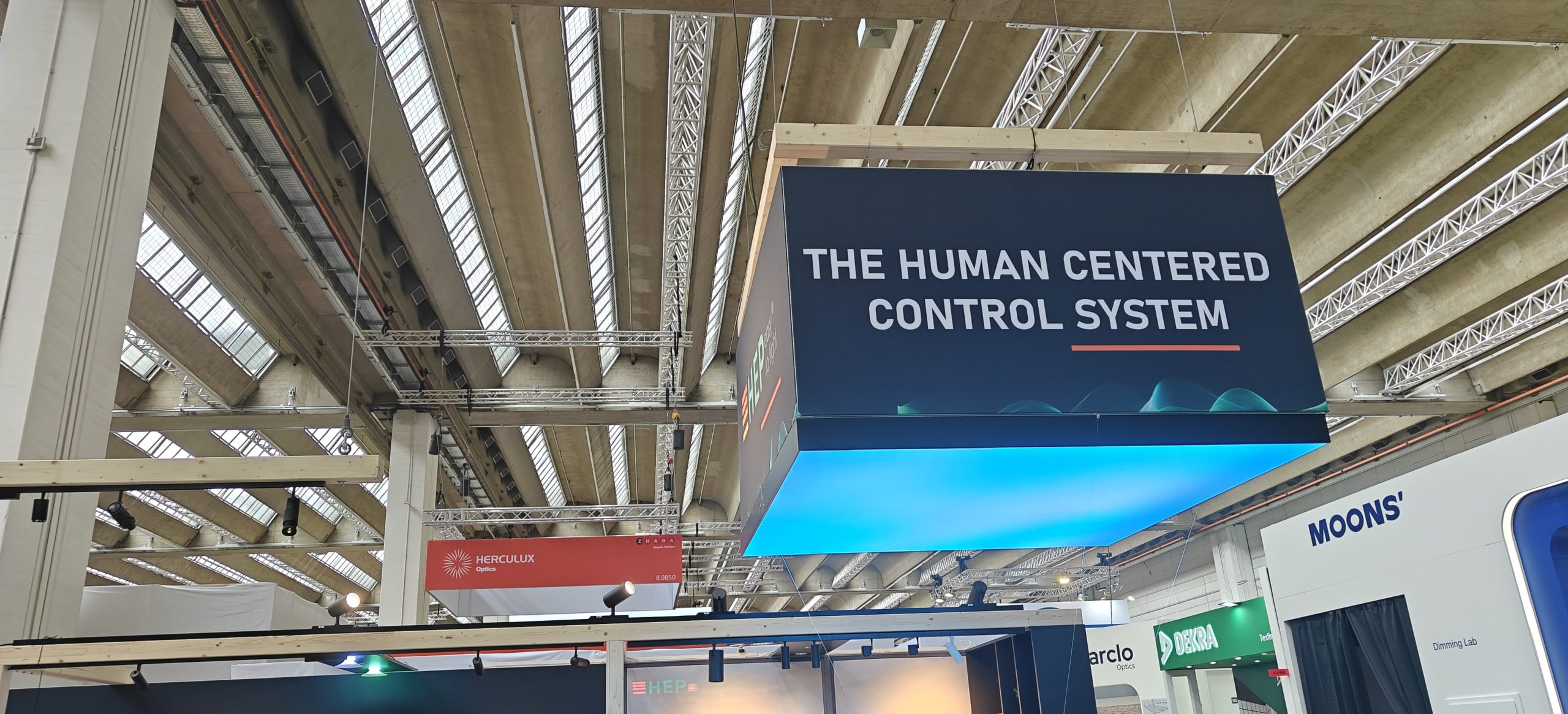
Some tech trends I noticed: miniaturisation continues, lots of hot air about human-centric lighting and not much substance (one notable exception), claims of ‘full spectrum’ LEDs although in reality they are just ‘a tiny bit wider spectrum LEDs’. I took my trusty spectrometer with me and measured lots of light. Sadly, the light quality from most would make a human uncomfortable sitting under them for any period, spiky SPDs, high flicker, the usual, but again quite some notable exceptions.
Data-driven outcomes and software seemed on-trend, even one of the component manufacturers from Asia told me that the future is in software, not in physical products.
In my conversations with stakeholders across the industry, designers to manufacturers to installers and end users, there is definitely a feeling of ‘what next?’.
I believe lighting needs to transition from products, features, cut sheets, tech specs and efficacies, to a holistic design stack that prioritises the designed outcomes first. Then follows the bits and bobs, software, controls, the lovely RAL or Corten finish, how to deliver that outcome, in real life. Therein lies the value, I think.
And you know what, I hear AI people who work on sentient buildings, yep that is an actual phrase now, using similar language of outcome.
Two clear benefits of a show like this emerged.
Firstly, although in size the show is a shadow of its former self as I remember it, with empty halls and spaces where once mighty and magnificent brands held court, you can see lots of stuff from around the world in one place in a few days. If you’re willing and able to walk. With poor wayfinding and access. If I was on wheels or with less mobility than my Skechers can give me, I’d struggle.
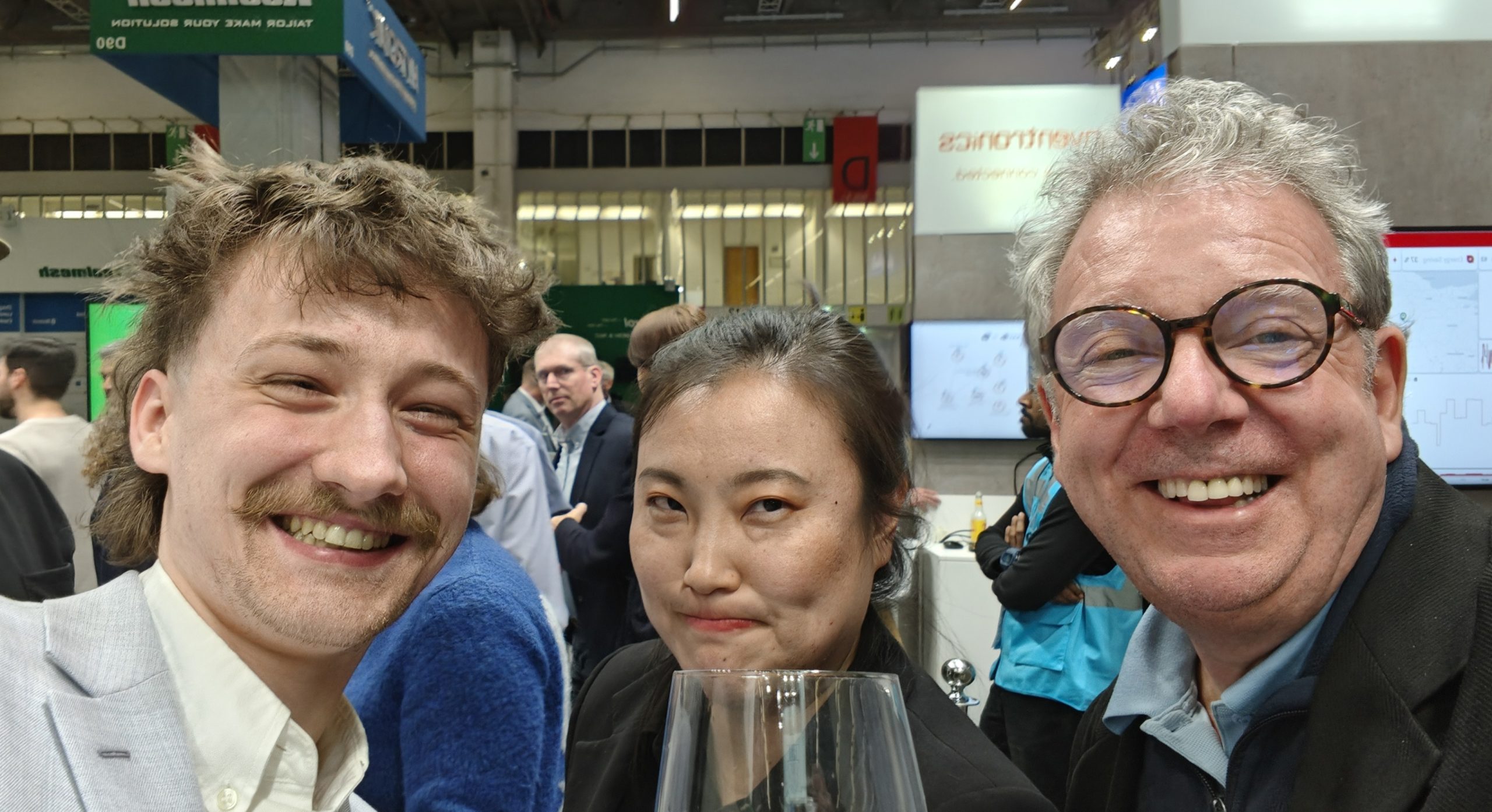
Secondly and for me critically, we have a great community, the opportunity to connect, meet, discuss, debate and party, in person, with others, this is one of the highlights.
I am working on a new, modern form of AI, although I’ve always practised it, Analogue Interaction. For me it’s about the people first and collaboration, Think-Win-Win.
Some complaints.
The cost to visit and stay is extortionate, many complained about this. And €25 for a burger from the food concessions onsite. Hm.
Lufthansa did indeed strike for two days; luckily, I escaped beforehand. This added even more cost for others who were affected.
In 2024, the city felt very dangerous with the worst of humanity evidenced on the streets. This time I avoided the city, stayed in the suburbs and made it to O’Reillys only once, the attendance there a shadow of its former self.
The future.
Overall the industry seems to be in retrenchment. Major brands are cutting resources.
On the flip side, this leaves some room for small to mid-players to grow and mid-players to advance. There were some significant stands there from companies ‘launching’ in Europe. There were some global brands absent.
Everywhere, there is a search for the new value, what is there beyond product design and light source component technology? The race to the bottom has been won, meaning we all lost and the relentless pursuit of energy efficiency, circularity and sustainability at any cost seems to have thankfully been mostly exhausted.
There is talk of extracting actionable data from lighting systems, about delivering outcomes for human sustainability, about valuing and tuning spectral content, about using Artificial Intelligence and Machine Learning to deliver this value.
Usually there are several drivers that signpost the critical path of an industry’s direction:
Technological innovation
Standardisation and Regulation
Investment
Fragmentation and Consolidation
Which path are we on as an industry and where are the points of inflection?
Over to you.
See you in 2028…?
Over and out.
No AI tools were used in the writing of this opinion
Analogue Interaction is encouraged