

Signify on designing with circularity
Circular design in lighting goes beyond just energy efficiency. It is rooted in sustainability and focuses on designing with luminaires that are built to last, easy to repair, and designed for disassembly so that materials can re-enter the resource loop. This approach reduces waste, conserves resources, and minimises environmental impact from the earliest stages of product development.
Manufacturers play a critical role by delivering luminaires that are modular, serviceable, and designed for disassembly, while also prioritising recyclable or recycled materials, making them part of the circular economy that uses less for longer. An added advantage is that circularity does not require a compromise on aesthetics or performance. Instead, it enhances a lighting designer’s ability to bring to life their vision for a project or space and preserve the original design vision throughout the lifetime of a project. Let us explore how.
Giving a Vision Its Shape
Lighting design is more than the selection of fixtures, but without circularity, luminaires may quickly become obsolete, unrepairable, or unavailable. As components fail or technology evolves, building owners are often forced to replace entire fixtures with alternative products, which can alter light levels, beam angles, colour rendering, colour temperature, and the overall appearance of a space.
By contrast, circular lighting systems are designed to be maintained, upgraded, and refurbished. Modern LED technology, drivers, and control components enable lighting installations to continue delivering the visual outcomes originally intended by the designer. This ensures that the quality, character, and performance of the lighting can be preserved even as technology advances, preventing compromises to the original vision and reducing the risk of piecemeal replacements that could create visual inconsistencies.
Making Sustainable Choices
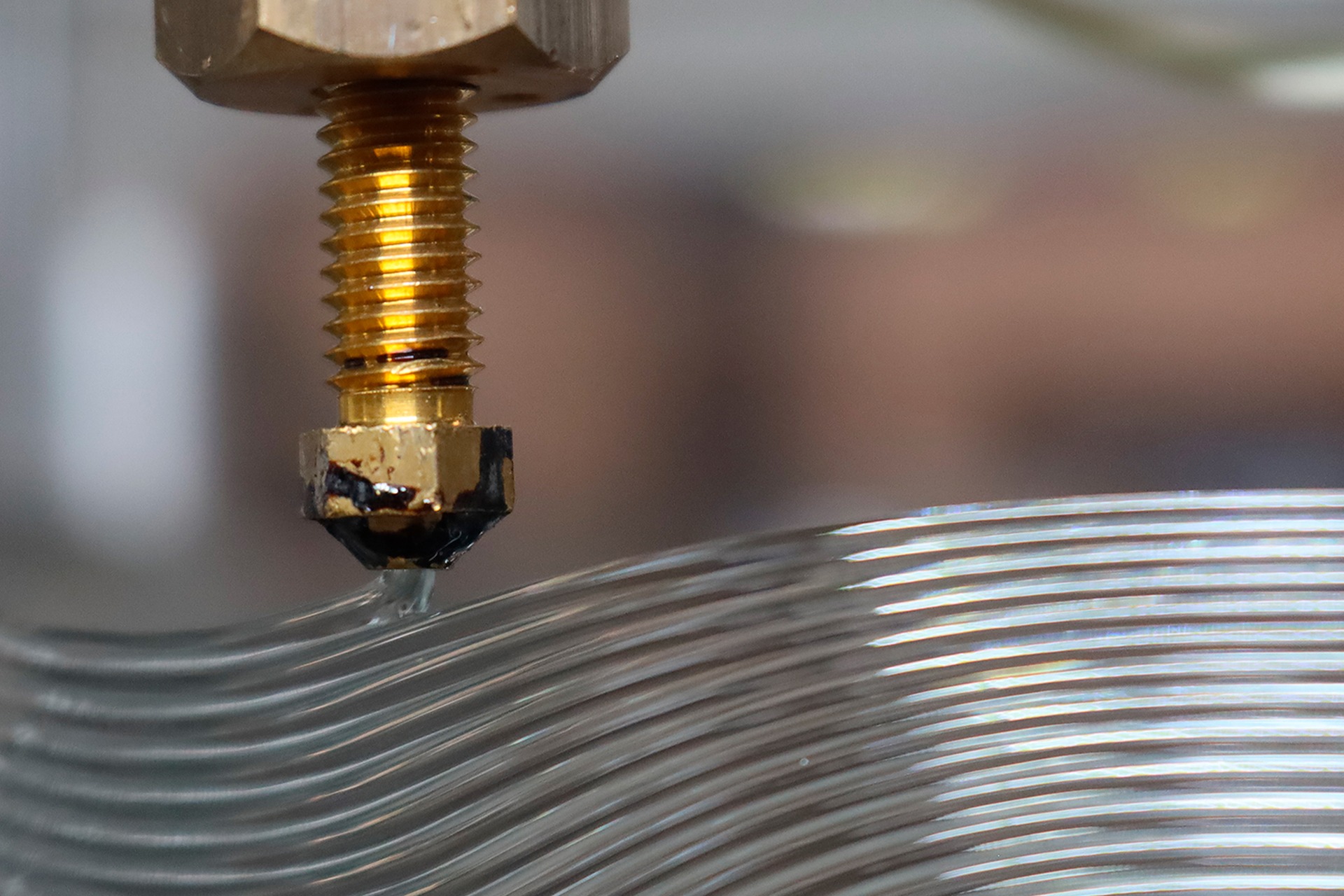
Longer lasting or circular products significantly reduce lifecycle environmental impacts. Circular lighting encourages durable luminaires that resist obsolescence through modular design and ease of upgrade, including replaceable and serviceable drivers, as well as standardised mounting systems.
Circular lighting provides adaptability to changing needs. As technology evolves and buildings undergo renovations, tenant changes, or spatial reconfigurations, circular systems can be reconfigured or upgraded while maintaining the original aesthetic and lighting concept. For example, in a museum designed to create a warm and carefully controlled lighting environment for artworks, a circular lighting approach allows drivers, LEDs, and control systems to be upgraded over time while preserving the original fixture design and lighting effect.
This ensures that the curator or designer’s intended design and vision for a space is maintained without the need for a redesign.
Working with the Industry
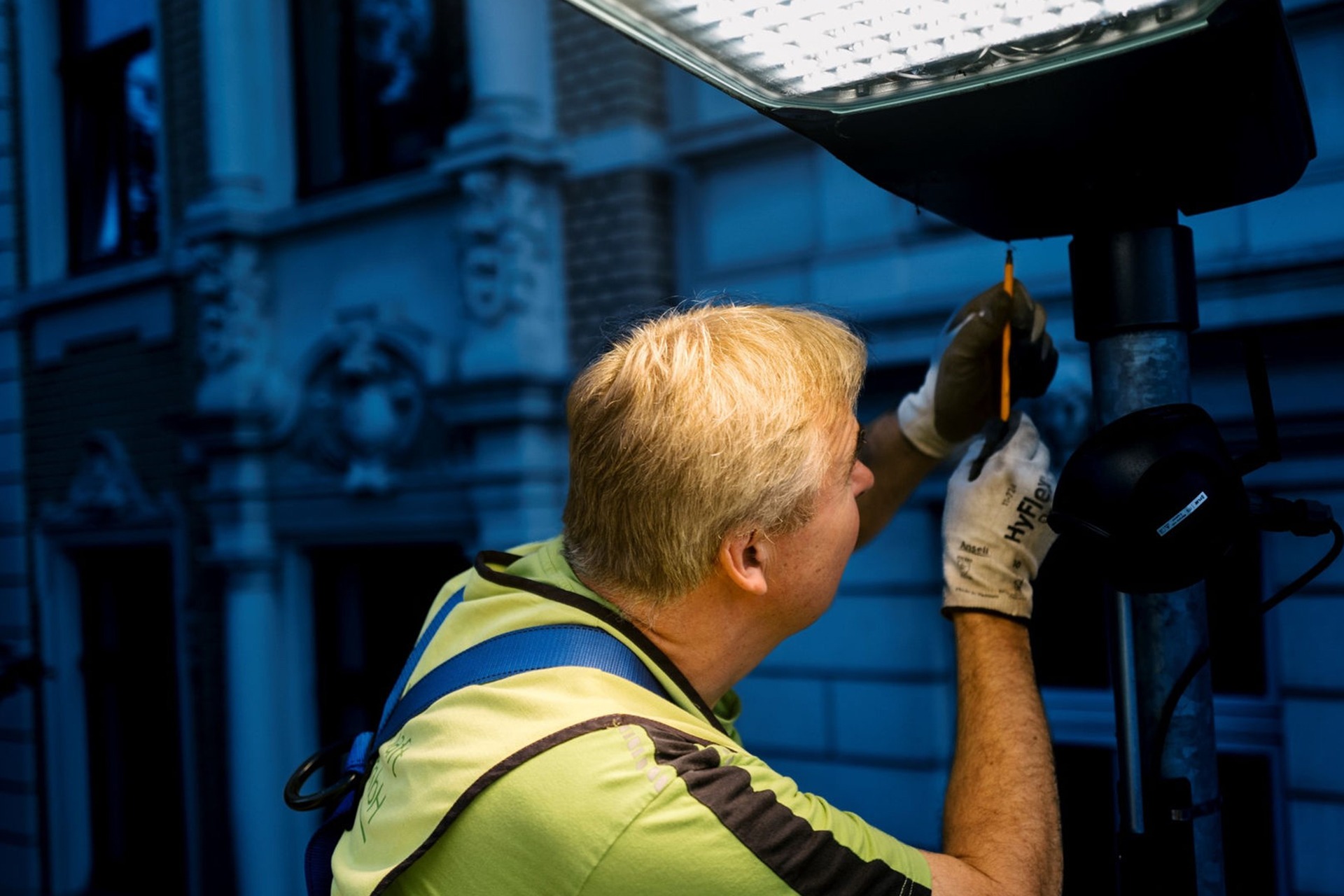
By collaborating with manufacturers that embrace circular design principles, lighting designers can specify products that are durable, easy to maintain, and capable of evolving. Features such as replaceable components, responsible material sourcing, and end-of-life recovery programmes help reduce waste, lower embodied carbon, and extend the useful life of lighting installations.
This partnership also safeguards the original design vision by enabling luminaires to be repaired, upgraded, and adapted rather than discarded. Ultimately, working with manufacturers that are sustainability-led, allows designers to deliver lighting solutions that combine aesthetic excellence, technical performance, and environmental responsibility, supporting a more resilient and circular built environment.
Industry-wide sustainability programmes, such as Signify’s Brighter Lives, Better World Programme, are increasingly focused on expanding access to energy- and resource-efficient lighting solutions that reduce consumption and preserve materials. Such initiatives can help organisations translate sustainability goals into practical specification decisions. To advance the circular economy, manufacturers are increasingly developing products and services that prioritise durability, upgradability, repairability, and recyclability. A ‘use less, use longer, use again’ approach can reduce reliance on virgin materials and energy while extending the useful life of lighting installations.
Signify’s Circle offering includes circular products, Light as a Service, remanufacturing, spare parts, and upgrade kits. Together, these form a dedicated portfolio for professional customers seeking to advance their circular economy goals. Clear circularity criteria, transparent labelling, and education can also help designers assess and compare options more confidently.
In conclusion
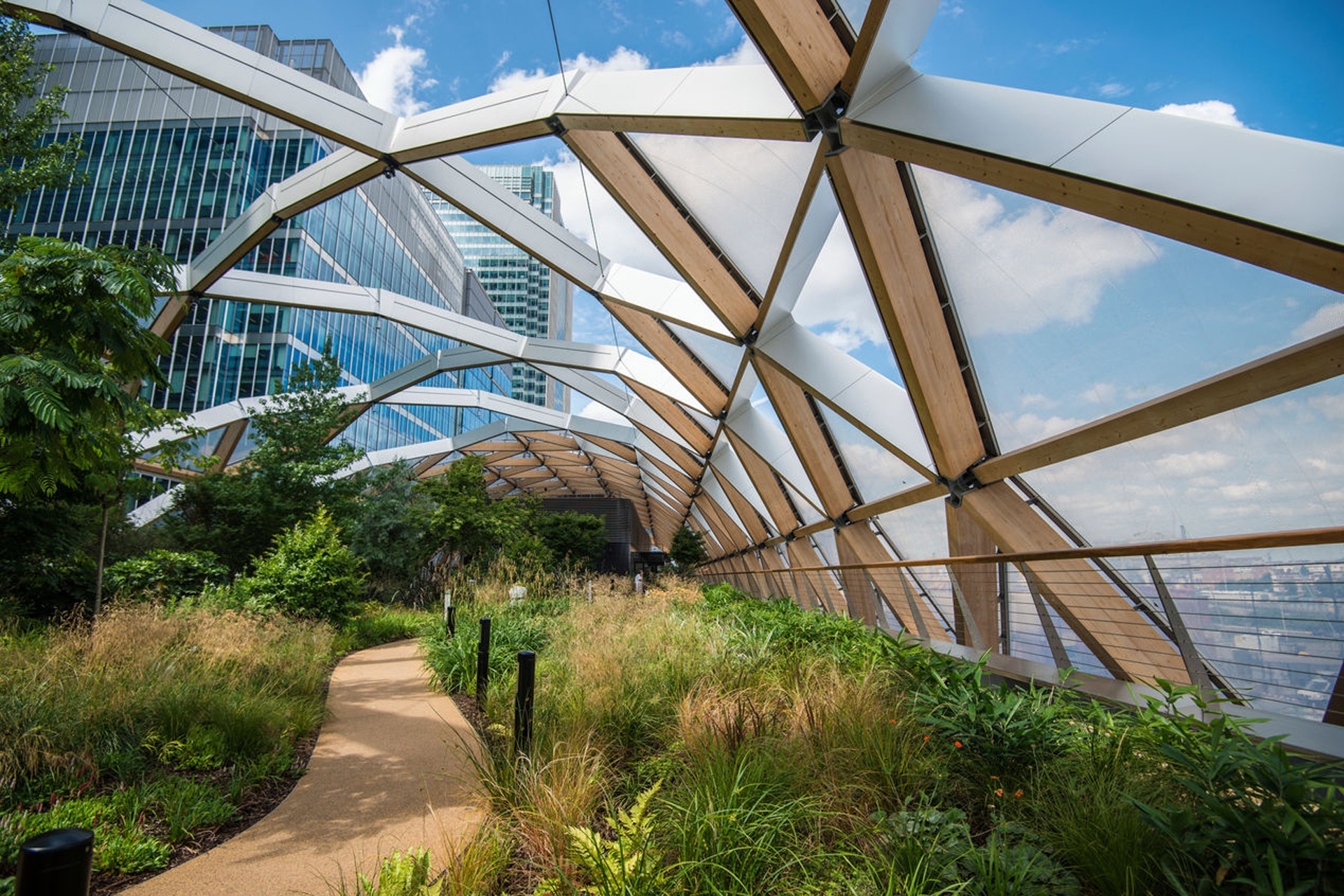
Circularity transforms lighting from a linear “replace-and-discard” model into a sustainable “maintain-and-evolve” approach. By prioritising durability, repairability, adaptability, and upgradability, circular lighting solutions enable designers to preserve their original visual, functional, and experiential intent throughout the life of an installation.
Today, designers and manufacturers have both a responsibility and an opportunity to embrace circularity as a core design principle rather than an afterthought. In doing so, we create lighting systems that not only last longer and reduce environmental impact but also ensure that the original design vision continues to deliver value, performance, and meaning for years to come.
Words by Darren Smith, UKI Specification leader