
Beyond the Eco Aesthetic: Rethinking Circular Lighting
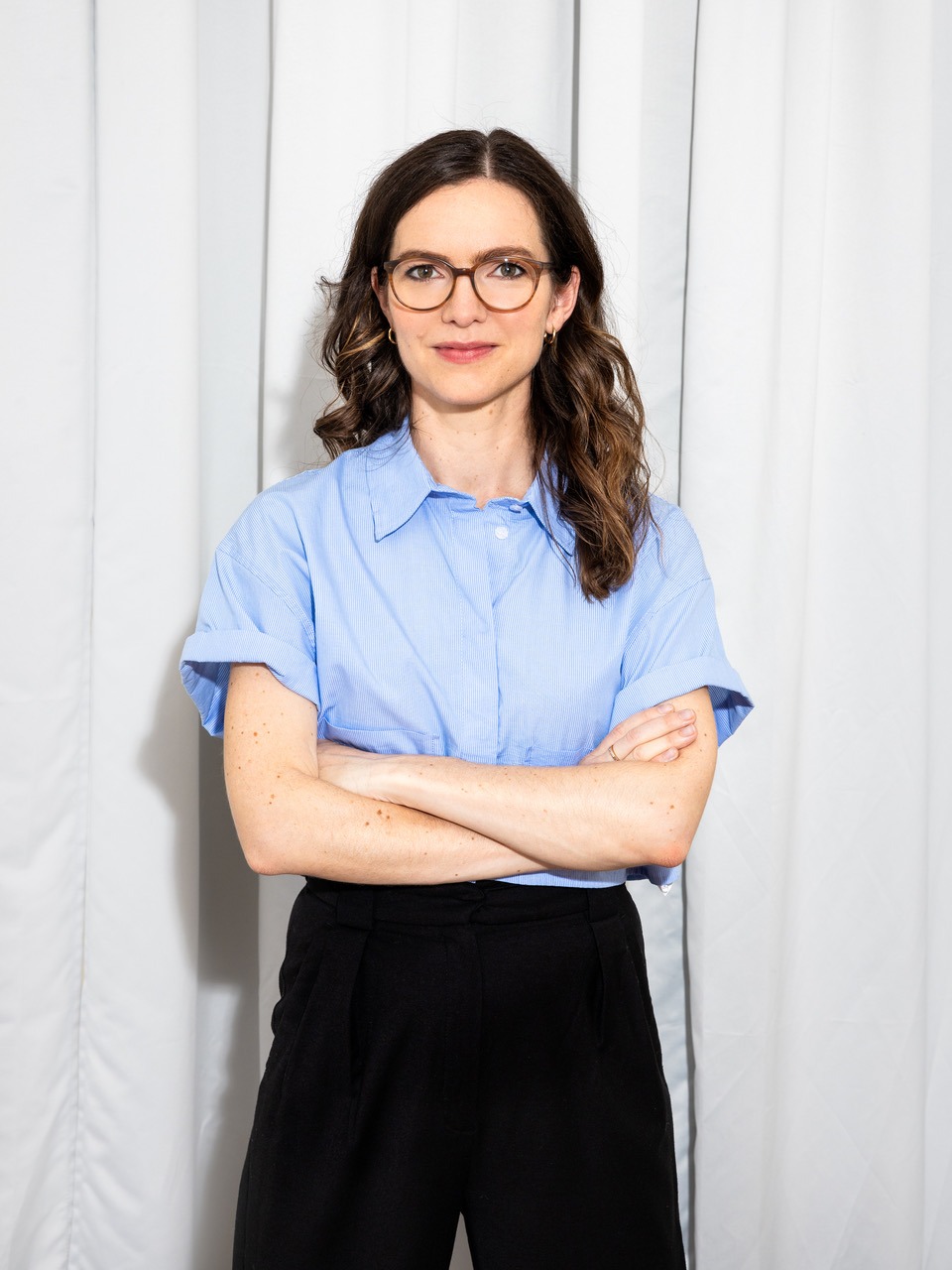 Citing her studio’s recent project at The Loop workspace in Düsseldorf, Sabine De Schutter explains that circular lighting does not have to result in an “apologetic aesthetic”.
Circular lighting design still suffers from a perception problem. Too often, it is associated with a recognisable visual shorthand and an apologetic aesthetic, or worse, assumed to be the result of budget limitations rather than intent. Sustainable, perhaps, but rarely confident.
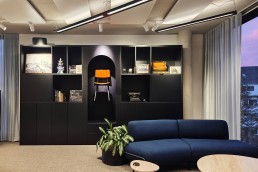
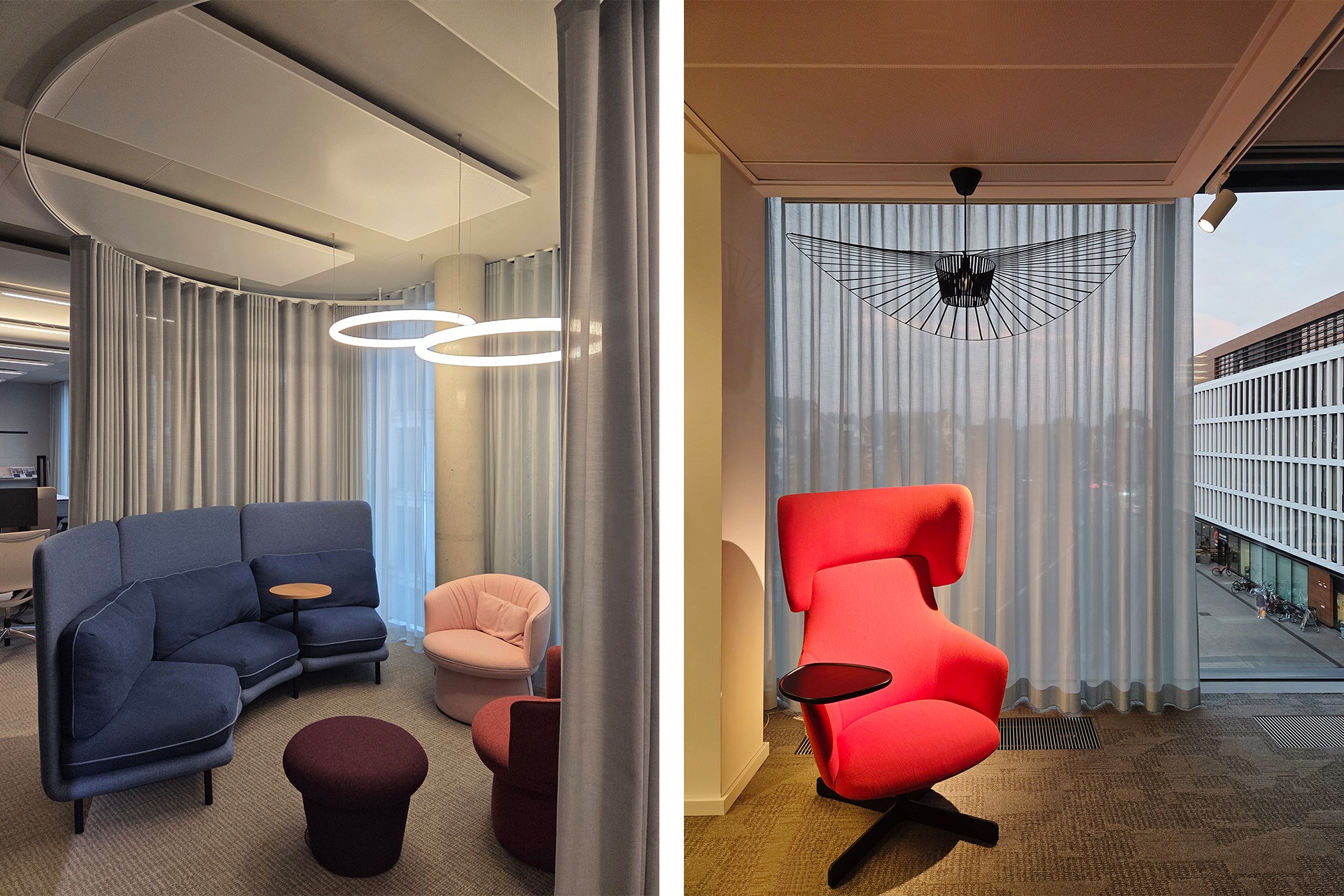
When Studio De Schutter was commissioned to develop the lighting scheme for The Loop, the Ahrend x Office Group showroom in Düsseldorf, Germany, the client was unequivocal from the outset. The briefing was refreshingly direct. It had to be bold. No excuses. Quite simply, it had to be great. And just as important: it must not look ‘eco’.
For a project explicitly driven by circular principles, this was not a contradiction. It was the point of departure.
A Project Designed to Test Assumptions
The Loop was conceived as a hybrid space: a showroom, workplace, and event venue combined. It needed to represent two strong brands, function seamlessly across multiple modes of use, and make a visible statement within the urban context of Belzenplatz, a well-known square in Düsseldorf, Germany. At the same time, both Office Group and Ahrend were clear about their sustainability ambitions.
This was never about adding a green layer at the end. Circularity was embedded in the brief, but it wasn’t allowed to become the visual narrative. The space still had to look designed, styled, and confident. The project therefore became a deliberate stress test for a question many designers quietly avoid: how far can reuse and circular thinking be pushed without compromising identity, atmosphere, or professional standards?
Circularity as Shared DNA
One reason this tension could be navigated constructively lies in the DNA of the project partners themselves. Sustainability is not new territory for either brand. Ahrend, in particular, has embedded circular thinking into its corporate strategy for decades.
There’s a personal footnote here: I first encountered the Cradle to Cradle approach during my Interior Architecture studies in Belgium. Ahrend gave a presentation on it back in 2008. So, when we talk about circularity today, this isn’t a trend cycle, it’s a continuation of their brand vision all along.
That continuity matters. Circularity at The Loop extends well beyond lighting. Materials such as wood and drywall were sourced with the same mindset, reinforcing the idea that sustainability is spatial, systemic, and layered. The showroom functions as a showcase for a circular building sector on multiple levels, from interior architecture to lighting and furniture design.
Corporate Identity and Circularity
One of the most persistent concerns surrounding reuse is the perceived loss of brand clarity. Existing luminaires are often seen as a limitation rather than a resource. At The Loop, we deliberately challenged this assumption.
Corporate identity doesn’t live in new fixtures. Yes, we reused luminaires that are clearly 15 years old, but new fixtures will also look outdated in 15 years’ time. Identity lives in rhythm, contrast, visibility, and atmosphere. And lighting schemes are exceptionally good at translating that, if you allow it to.
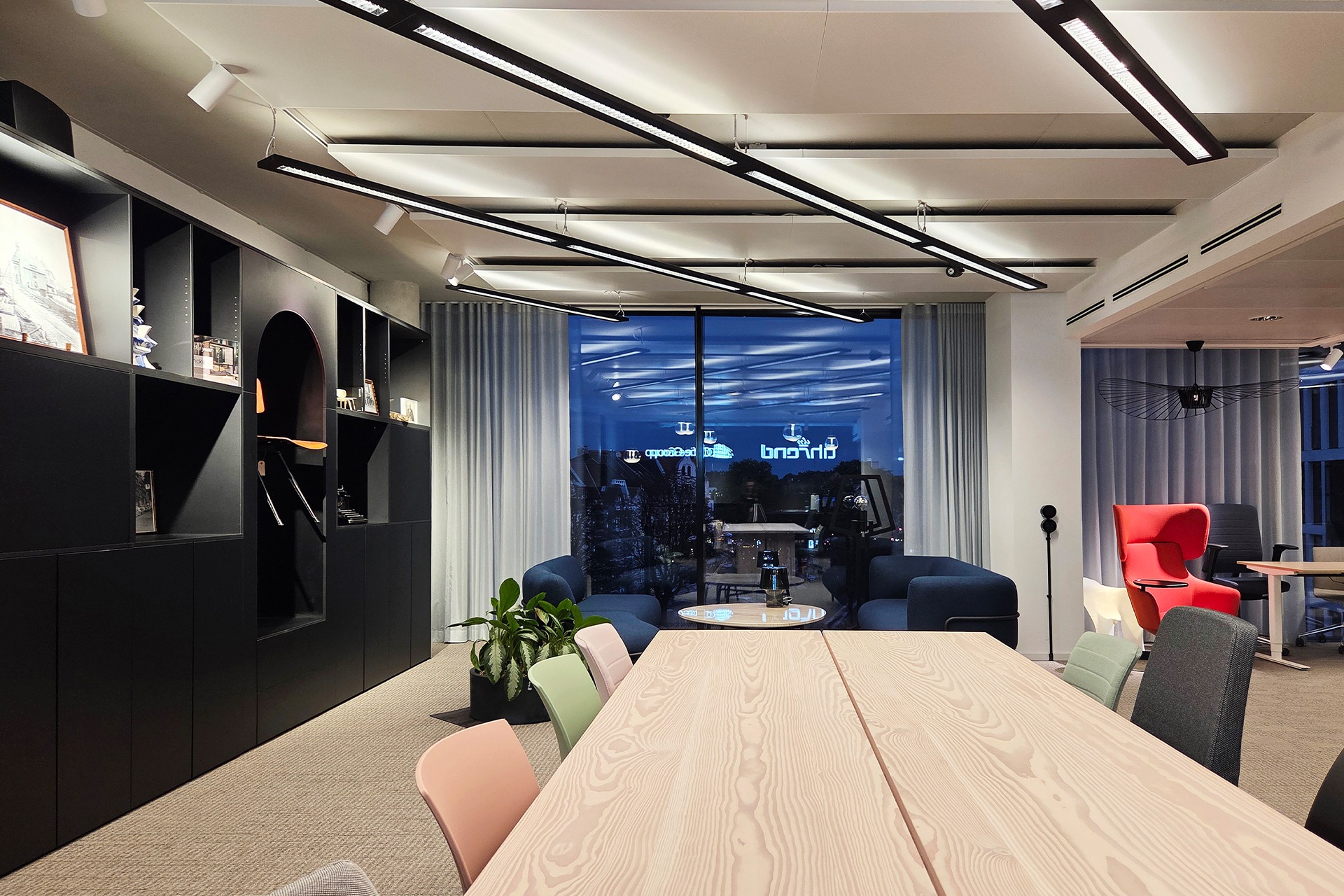
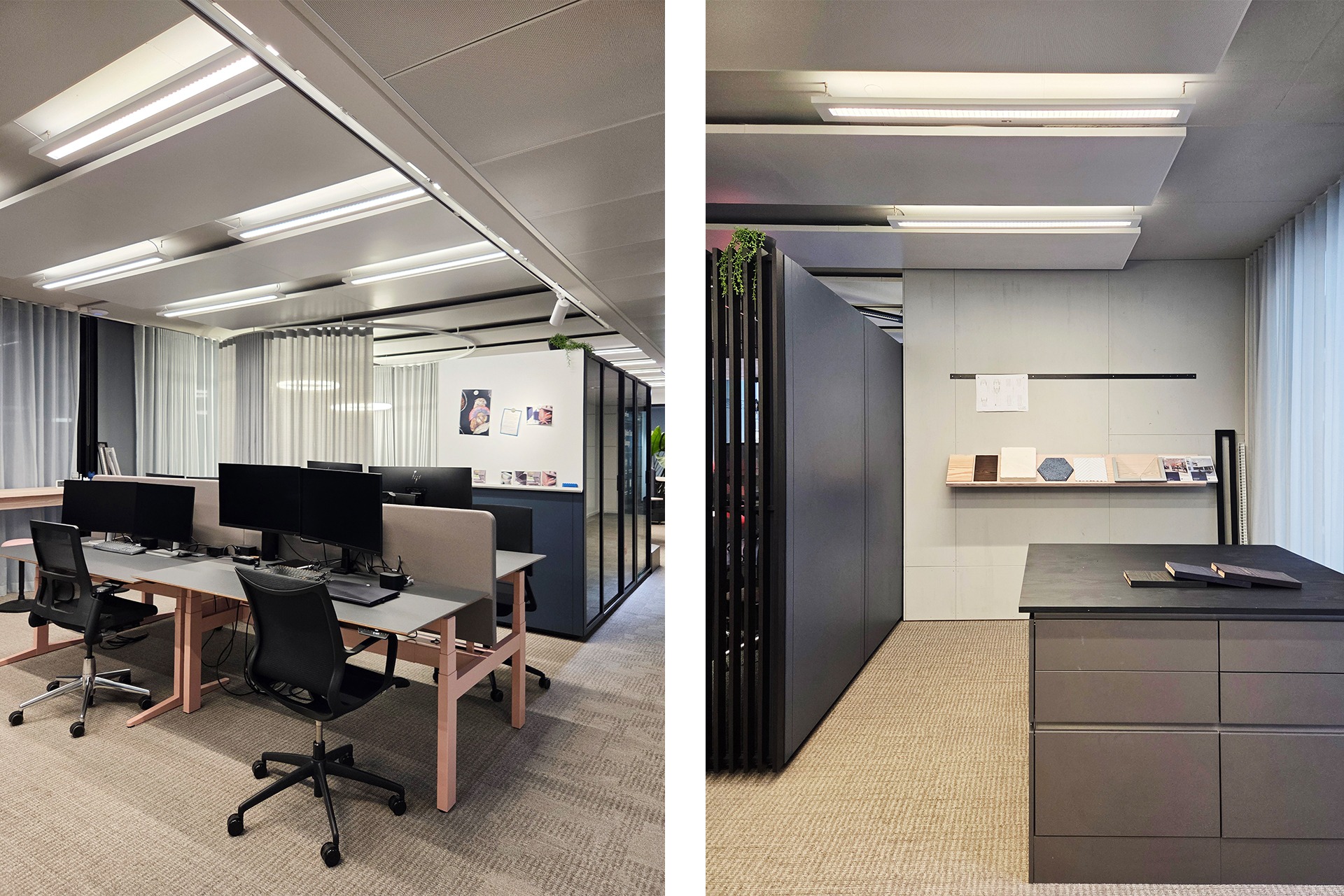
The lighting concept therefore differentiates the space through use and mood. Quiet office areas are lit with restraint, with white luminaires. The existing fixtures that came with the building were originally grey, got refurbished and adapted to their new role. In contrast, the event and showroom areas are defined by bold, black, diagonally arranged luminaires with strong graphic presence.
These luminaires are visible from afar. They signal that something different is happening here: creative work, exchange, events. Even from across Belzenplatz, the space communicates its character. The result is a clear spatial hierarchy that supports the multiple identities of the space.
Three Approaches, One System
From a circular perspective, the project operates on three distinct levels, each applied where it makes the most sense.
First, there is lighting that is 100% reused without modification, primarily decorative luminaires sourced from other projects. Here, availability defines design, not the other way around.
Second, there are the existing luminaires already installed in the space. These were dismantled, technically upgraded, and visually adapted. Instead of energy-intensive powder coating, we opted for foil wrapping. Foiling consumes significantly less energy and eliminates transport to a coating facility. Just as important, it’s fully reversible.
If the colour concept changes in the future, the foil can be removed without damaging the luminaire, a decision closely aligned with Cradle to Cradle principles. Components remain separable, materials reusable, and future adaptations possible.
The third category is new lighting, introduced only where reuse could not meet functional or experiential requirements. This includes showroom spotlights equipped with AI-supported technology that automatically adjusts the light spectrum to the colour characteristics of furniture, exhibits, and chairs.
This isn’t about novelty, it’s about precision. In a showroom environment, light quality matters.
Balancing Responsibility and Innovation
For Studio De Schutter, circular design does not mean rejecting new technology.
As lighting designers, we have a responsibility not to fuel unnecessary production, raw material extraction, or landfill growth. But we also shouldn’t oppose innovation either.
The Loop therefore embraces both restraint and progress. High light quality, excellent colour rendering, and carefully programmed scenes remain non-negotiable. The lighting adapts seamlessly between work mode, consultation, events, and evening use, always supporting function without drawing attention to itself.
In the end, we are lighting professionals. Circularity doesn’t absolve us from delivering quality. It raises the bar.
A non-linear process by necessity
Working this way requires a fundamentally different planning mindset. Circular projects rarely follow a straight line. Availability, condition, and compatibility continuously inform decisions. Planning from catalogues is much easier. But who says easier is better?
Prototyping, testing, and questioning limits became integral to the process. One recurring question guided the team throughout: at what point does adaptation become so invasive that reuse no longer makes sense?
There are no universal answers, only informed, project-specific decisions.
Changing the Question
This project is about changing the questions we ask as designers. Can identity be strengthened through reuse? Yes. Is reuse inferior to new? Quite the opposite. Can circularity coexist with boldness, quality and design? Absolutely.
Circular lighting design, in this sense, is not a compromise. It is a design mindset, one that prioritises relevance over novelty, creative thinking over catalogue selection, and long-term environmental value over short-term effect.
And crucially, it proves that not looking eco may be exactly what sustainability needs right now.