

When Terrain Beats Pathogens: Strengthening the “Milieu Intérieur” of Lighting Firms so Design Can Breathe
Wojtek Cieplik, industry consultant at Brandt Partners, shares some best practices for how design studios can change their processes to better protect their designs.
Viruses do not cause every illness; vulnerability does. Lighting is similar. The pains specifiers feel on site – glare that slips through, installs that fight back, submittals that ping‑pong – rarely trace to the light fitting alone. They trace to the organisation’s terrain: portfolio sprawl, brittle development cycles and decision rights no one can draw on a page. This is my conviction: most site failures start in governance or alignment, not mistakes of a designer or a salesperson.
Architectural readers know the symptoms:
- Install friction from unclear fixings
- Visual comfort missed because UGR guidance is absent or hard to act on
- Photometric claims that do not match test conditions
- Submittals bounced because environmental and compliance data live in PDFs and inboxes
- Spectral stewardship treated as rhetoric while human and nature‑centred constraints arrive late
Five operating levers that change site outcomes
1) Portfolio and variant immunity
- Prune low‑value variants by 25-35% in two passes
- Door A/B/C rules for Configuration, Variant and Custom
- Modular platforms: mounting, optics families, standardised drivers
2) Process immunity
- Short, gated development (3-4‑week artefacts): proto photometrics, installer mock‑ups, supplier confirmations, compliance flags
- Pre‑qualified parts to absorb EOL shocks
3) Documentation immunity
- Single source of truth for submittals: datasheets, certifications, environmental documents, IES/LDT, install guides, BIM
- Pictorial one‑pagers + 60‑second QR micro‑videos for tricky steps
4) Governance immunity
- Named mini business owner per family
- Decision rights on one page
- WIP cap: ≤ 2 live NPD items per family; single‑page dashboard of leading indicators
5) Sustainability immunity
- Design for disassembly, repairability and migration paths
- Where relevant, pair TM66/EPD with spectral and wildlife guardrails at gates
From diagnosis to action
In recent SME turnarounds, the changes that moved the needle were organisational, not technical. A rapid organisational diagnostic locates the weak spots in the terrain. Where leaders need high‑resolution visibility into time use, talent retention and organisational blind spots, a short enterprise health audit precedes the 12‑week sequence. Two decisions a week for 12 weeks then shift outcomes. Track targets: first‑pass submittal rate ≥ 85%, premium freight ≤ 1.5% of revenue, returns -30% on targeted SKUs within two quarters.
When a diagnostic makes sense
- Time use is opaque, and meetings crowd out design and delivery
- Decision rights for variants, pricing and sunsetting are unclear or escalate by default
- Submittal data lives across PDFs and inboxes, first‑pass approvals are low
- Talent churn or disengagement signs appear, or leadership alignment is disputed
What changes on site when the terrain improves
- First‑pass submittals go up; RFIs per project go down
- Install time on tricky assemblies halves
- Lead‑time variance shrinks; premium freight becomes the exception
- Glare guidance and spectral envelopes move from slideware to trusted documentation
Organisational levers → site outcomes (at a glance)
Organisational lever: Portfolio and variant immunity → What changes: fewer one‑offs, clearer boundaries → Site metric: premium freight ≤ 1.5% revenue
Organisational lever: Process immunity (gated development) → What changes: risks surfaced early → Site metric: lead‑time variance -20%+
Organisational lever: Documentation immunity (single source) → What changes: credible packs → Site metric: first‑pass submittals ≥ 85%
Organisational lever: Governance immunity (decision rights, WIP cap) → What changes: faster, consistent decisions → Site metric: RFIs per project -25%+
Organisational lever: Sustainability immunity (guardrails at gates) → What changes: health and nature constraints built‑in → Site metric: zero glare‑related RFIs on pilot
Three short vignettes
- Decision rights fog → clarity in weeks
Problem: variant requests escalated to three directors; no Door A/B/C; quote engineering hours ballooned; premium freight creeping
Intervention: one‑page decision‑rights map; published Door A/B/C with SLAs; mini business owner; NPD WIP capped at two per family
Outcomes (10 weeks): first‑pass submittal rate 86 → 92%; premium freight 2.1 → 1.3 percent; RFIs per project -28%
- Single source of truth → fewer returns, faster installs
Problem: environmental and certification data scattered; submittals bounced; installer packs inconsistent
Intervention: submittal single source of truth; pictorial one‑pagers with 60‑second QR micro‑videos; weekly first‑pass yield review
Outcomes: first‑pass submittals +18 points; returns -33%; average install time on a tricky assembly -46%
- Leadership archetype in place → portfolio discipline
Problem: portfolio creep and brittle cycles; no one accountable for glare and spectral guardrails; mounting decisions ad hoc
Intervention: Platform Product Lead; pruned 27% of options; modular platform; guardrails at gates
Outcomes: lead‑time variance -22%; engineering hours per quote 30%; contractor NPS up; glare‑related RFIs on pilot → zero
Why this matters now
Market pressure is not letting up: shutdown waves in Zhongshan, Foshan and Dongguan; US brand liquidations; margin compression across Europe. Meanwhile, Milan shows the design frontier is alive — yet performance and install reality often lag. The decisive factor is organisational terrain.
A simple start
If you can draw decision rights for variants, pricing and sunsetting on one page, publish Door A/B/C rules, and cap WIP to two live items per family, you will feel the difference in 12 weeks. Strengthen the milieu intérieur — decision rights, portfolio discipline, install‑first habits, credible submittals and hybrid leadership — and most “bugs” become routine. Begin with one product family, one diagnostic pass and two decisions a week.
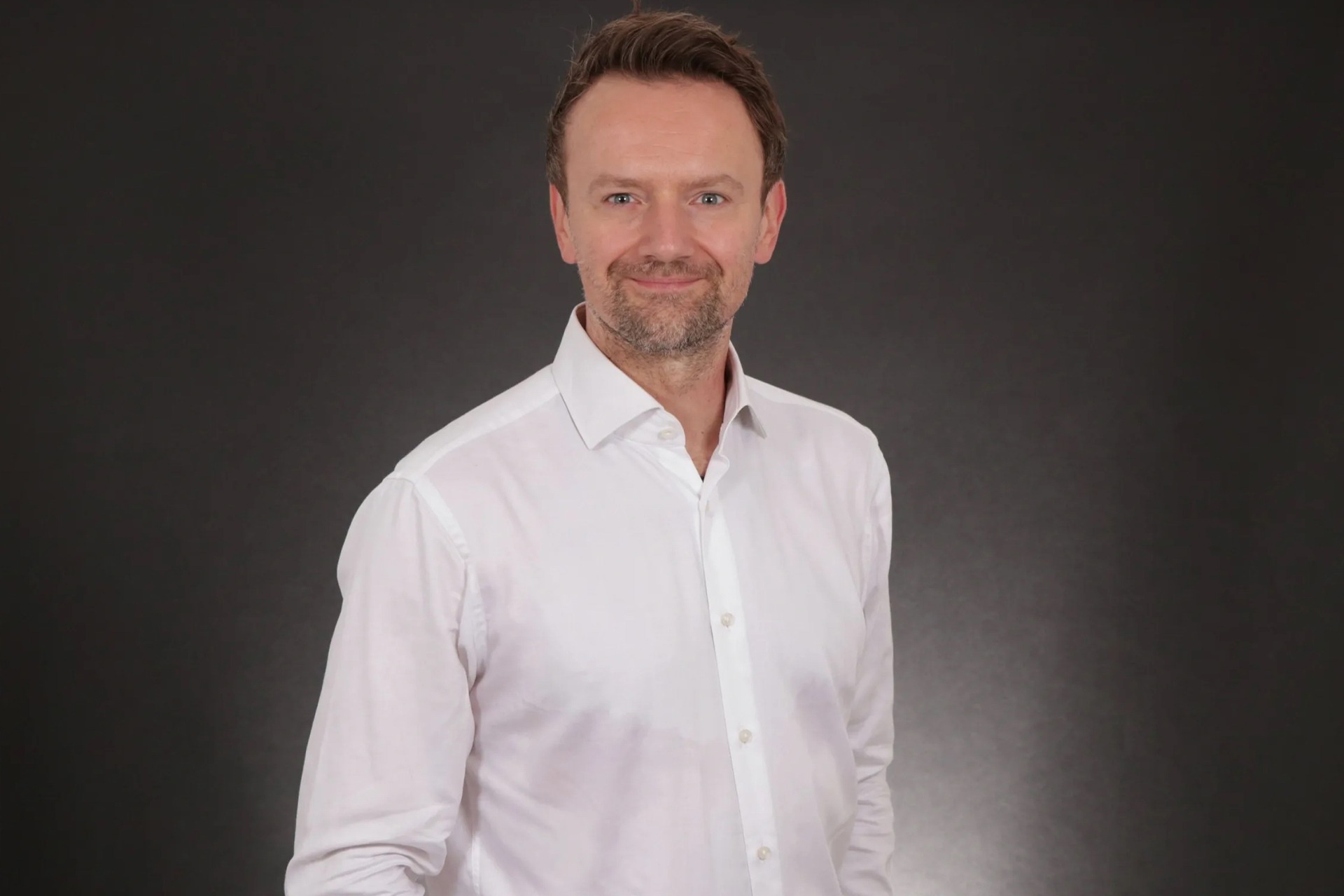
Wojtek Cieplik is a Berlin‑based industry consultant and executive search partner in lighting. Previously with OSRAM and LED Engin, Wojtek helps SMEs strengthen organisational health and hire hybrid leaders to improve project delivery.