
Casambi to hold first ever Casambi Summit
(Online) – Event to take place on 4March
Casambi has announced that it is to hold its first ever “Casambi Summit” on 4 March. The online event will bring together the Casambi community for a full day of keynote presentations, with product launches and case studies, while the winners of the 2021 Casambi Awards will also be announced.
Across the day, the company will share strategy and technology updates from CEO Kari Mettälä and founder Timo Pakkala. Elsewhere, Tridonic will explain how to extend your DALI system with basicDIM Wireless, while case study presentations will include Erco’s Ulster Hospital, and Occhio’s Design Offices projects.
During the day, Casambi will also introduce two new products, and following the announcement of the 2021 Casambi Awards winners, the Summit will conclude with breakout sessions hosted by Casambi and its partners.
Registration is open now. For more information, click here.

Aleksandra Stratimirovic: Transmission
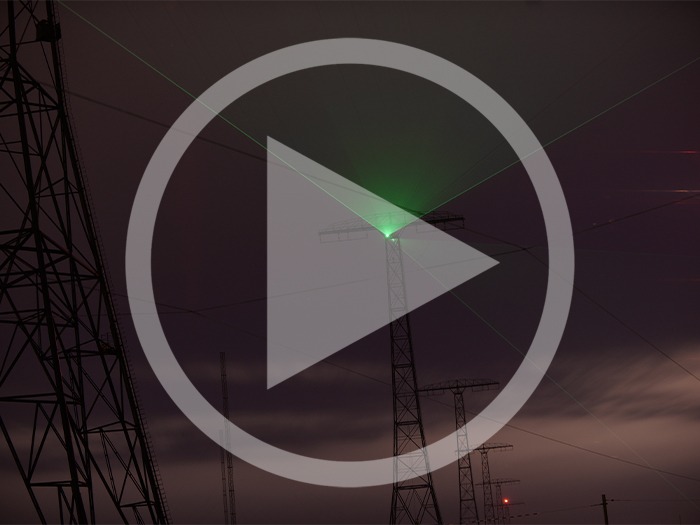
Transmission is a site-specific light artwork created by Aleksandra Stratimirovic in 2020 for the World Heritage Grimeton Radio Station in Sweden.
Grimeton Radio Station is an early longwave transatlantic wireless telegraphy station built in 1922-1924, that has been preserved as a historical site. It is the only remaining example of an early pre-electronic radio transmitter technology, called an Alexanderson alternator. It was added to the UNESCO World Heritage List in 2004.
The transmitter is still in operational condition, and each year on a day called Alexanderson Day is started up and transmits brief Morse code test transmissions, which can be received all over Europe.
Transmission consists of two laser projections mounted at the height of 127-metres, on the top of the one of the Radio Station's colossal towers. Green laser beams make the Radio Station's imaginary communication visible. Light movement in the form of varying frequencies transmits messages in slow rhythmic sequences, pulsating in the Morse code intervals.
Photos: Tomasz Zurek
Music: Leonel Kaplan
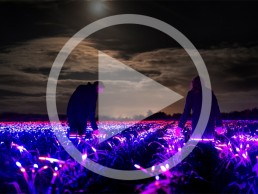
Studio Roosegaarde: GROW

Daan Roosegaarde’s latest artwork, GROW, is an homage to the beauty of agriculture. GROW appears as a 20,000sqm luminous dreamscape of red and blue waves of light over an enormous field.
The installation is inspired by scientific light recipes that improve plants’ growth and resilience, and looks to highlight the importance of innovation in the agriculture system.
GROW consists of a design-based light recipe which shines vertically across 20,000sqm of farmland with leek (Allium porrum). Viewers experience the artwork as ‘dancing lights’ across the huge agricultural field. The light is poetic, and inspired by photobiology light science technologies which have shown that certain recipes of blue, red, and ultraviolet light can enhance plant growth and reduce the use of pesticides by up to 50%.
This short film shows the development of this luminous dreamscape and how the beauty of light can help plants. It is also a call for enlightenment during these dark times.
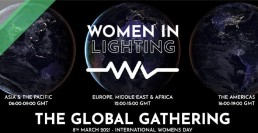
Women in Lighting to hold Global Gathering on International Women’s Day
(Worldwide) – Global online event to mark WiL’s second anniversary.
Women in Lighting has announced that it will host a worldwide event on 8 March to celebrate International Women’s Day.
The WiL Global Gathering will also mark the second anniversary of the Women in Lighting project, and will be another opportunity to connect its growing network and community of international lighting professionals.
Divided into three parts to ensure that participants from different time zones around the world can participate, the day-long event will feature a selection of sessions under four themes: Inspiration, Project, Action and Social.
The Inspiration sessions will feature talks from four inspirational speakers, Dorothy Di Stefano, Jorg Seemann, Michela Bonzi and Anne Militello. These talks will be followed by live Q&A sessions moderated by WiL’s Sharon Stammers and Martin Lupton.
In the Project sessions, a range of speakers will present an overview of their project work, or spotlight a particular project.
The Action sessions will consist of a presentation about current initiatives, ranging from dark skies in New Zealand to the GreenLight Alliance in Europe, and thoughts about the lighting profession as shared from LATAM.
Finally, the Social sessions will see a return of WiL’s popular Social Roulette where, for an hour, participants can virtually meet and share their background, inspirations and daily lives with new and old friends in short, three-minute bursts. Participants will be randomly matched to a selection of other attendees, helping to naturally grow the initiative’s community.
The Global Gathering is sponsored by formalighting, alongside Casambi, Ledra, Fos and Huda Lighting.
Registration for the event is now open. More information can be found here.
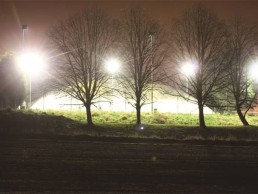
ILP launches new online course
(UK) – Latest course titled Understanding Obtrusive Light: Application of Guidance Note 01 (GN01).
Artificial light provides many benefits but if not properly considered, designed and installed, it can result in a range of issues including but not limited to obtrusive light, sky glow, adverse effects on fauna and flora and potentially be a legal nuisance.
The Institution of Lighting Professionals (ILP) Guidance Note 01 (GN01) is seen as the ‘go-to’ advice for the control of unwanted, obtrusive, artificial lighting in the UK and in many other parts of the world. GN01 is based on the International Standards produced by CIE, being a practical application of these documents.
This new course is aimed at everyone who has an interest in the effects of artificial light by day and night and discusses the controls in place that can provide a successful lighting installation mitigating the concerns.
The ILP online training platform is open to everyone but ILP members can access courses at a discounted rate.
More information can be found here.
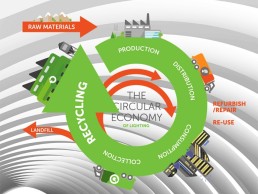
Recolight announces new Circular Economy webinar series
(UK)- Series will begin with session on luminaire design on 30 March.
Recolight has announced a new series of webinars dedicated to the Circular Economy for 2021. The series will build on previous talks held in 2020, and will highlight the progress that has been made in the lighting industry.
All webinars will be chaired by Ray Molony, who said: “It is vital that the industry continues this conversation if it is to address its responsibility to the wider world. For too long the sector has been a rule-taker. These webinars are helping us come up with a strategy that’s built from the bottom up.”
The first three webinars in the series are:
- Luminaire Design: The Circular Economy regulations you need to know – 30 March
- Return of the Lamp: How the replaceable revolution will change lighting – 29 April
- How to get Net Zero: A lighting manufacturer’s guide to becoming carbon neutral – 27 May
The Recolight webinar series in 2020 examined the Circular Economy for lighting. Discussions ranged from new regulations for lighting, through to extending the life of luminaires.
A range of lighting producers, specifiers, and designers presented positive initiatives being undertaken to reduce the impact on the environment. One of the topics still up for debate is whether the return of replaceable light sources, drivers and other components is the best route to a Circular Economy in the lighting industry.
Recolight CEO Nigel Harvey added: “I’m encouraged to see the lighting industry taking steps to become more sustainable. It is a given that we produce light sources that are very energy efficient. Moving beyond that and adopting circular economy principles in how we manufacture those products will soon be a must do, and not just an ought to do.”
All sessions are free to join, with more events to be announced for later in the year.
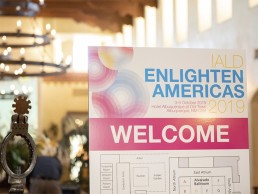
IALD reschedules Enlighten Americas 2021 to 2023
(Canada) – Event will now be held in Banff, Canada on 2-4 November 2023.
The IALD has announced that this year’s Enlighten Americas conference, scheduled to take place on 21-23 October in Banff, Canada, has been rescheduled to 2023.
The decision comes as a result of the continued uncertainty in Canada around the pandemic, including Canadian travel restrictions and the country’s rules about in-person events.
“The Enlighten conferences have always focused on bringing our lighting communities together in one place. Although we’re disappointed not to be able to bring everyone together as soon as we hoped, rescheduling our conference in Canada is the best action to take as responsible leaders,” said IALD President Douglas Leonard. “IALD will continue to host Enlighten conferences in 2022 and 2023, and use this opportunity to explore a reimagined Enlighten moving forward.”
Marsha Turner, IALD CEO, added: “Rescheduling Enlighten Americas was a clear decision because of the uncertainty around travel and in-person events in Canada due to the pandemic. As a global organisation that is built around community and connection – both locally and globally – we will continue to connect, learn and celebrate through our online activities and events.”
The IALD Enlighten conferences are a series of boutique education and networking events for lighting designers and the lighting community, taking place in the Americas, Asia and Europe. This year, IALD Japan will host Enlighten Asia 2021 in Tokyo, Japan, from 10-11 November, both online and in-person. Enlighten Americas 2022 will be held in Palm Springs, California, from 29 September – 1 October, while the rescheduled Enlighten Americas 2023 will remain in Banff, taking place from 2-4 November. The IALD is currently exploring options for future Enlighten Europe events, and will share more information as it becomes available.
Light Symposium Wismar 2020/21 online registration opens

(Germany) – The online event, held 10-12 March to focus on daylight and artificial lighting in built environment.
Light Symposium Wismar 2020/21 (LSW), held online from 10-12 March, will focus on the ways in which daylight and artificial lighting coalesce in the built environment.
The three-day international online forum will look to bring together the latest insights with respect to research, theory, technologies, design and applications under the title The Future of Daylight and Artificial Lighting in Healthy Built Environments.
“The title of this year’s LSW event acknowledges a world that is changing dramatically, with human health and wellbeing at the forefront of global interest and concern,” explained the event organisers. “The impact of illumination and the opportunities this presents are hard to define right now, which is why they are the subject of our debate.
“Also, today and in the future, daylight and architectural lighting design need to better acknowledge the need for interdisciplinary collaboration between scientists, medical researchers, the lighting industry and lighting designers. Therefore, education and continuing education in the form of such an event is, and will remain, the basis for all development in the field of lighting design as a discipline and profession.”
Originally scheduled to be held as a face-to-face event at Wismar University in October 2020, the event was first postponed to March 2021, but has since been moved to an online format, in line with current Covid-19 framework conditions.
The event will feature a host of lighting and health experts from Germany and abroad, with 15 renowned speakers lined up from countries including Italy, France, Austria, Poland, Sweden, the UK and the USA. Each speaker will deliver insights about their field of expertise (architecture, daylight, lighting design, environmental science, biology, astronomy and medical science) through talks related to research and practice.
Four keynote speakers will deliver presentations across the event, including Assoc. Prof. Marie-Claude Dubois, from the Department of Architectural and Built Environment at Lund University, Sweden; Prof. Dr. George C. Brainard from Philadelphia University and Thomas Jefferson University; Mark Major, Senior Partner at Speirs Major; and Prof. Dr. Eva Schernhammer, from the Medical University of Vienna, Centre for Public Health in Austria.
Aalborg University Copenhagen (AAU) has also been announced as a new partner for the event, and will host the next Light Symposium, planned to take place annually in the Baltic Region, from 2022. AAU will host the event in alternation with KTH Royal Institute of Technology in Sweden, and Hochschule Wismar University of Applied Sciences, Technology, Business and Design in Germany.
Alongside the range of presentations, international research project Light4Health (L4H), implemented since 2018 within the framework of the EU’s Erasmus + Strategic Partnership funding programme, will host a public workshop during the Symposium. This workshop will include presentations and panel discussion from leading international universities in the field of lighting design, including Hochschule Wismar, KTH, AAU, Thomas Jefferson University, the University of Wolverhampton, and the Creative Lighting Department of Russia’s ITMO University. At the end of this session, a 30-minute film, Daylight Trilogy Part 1: Humans, produced by the Swedish Lund University, will be streamed.
The L4H project develops a novel education course to teach health research methods and findings to lighting designers at a graduate level. These educational resources will be accessible soon, as open access to all parties interested in the project. Further information can be found on the L4H website at www.light4health.net.
Although moved to a new format online, organisers are still hopeful that a large network of support will make LSW 2020/21 a success. Organisers have received broad support from 11 sponsors across diamond, gold and silver categories, as well as five event partners, eight international media partners whose focus is on light and/or architecture, six well-known associations and institutions in the specialist sector, and 12 international universities. The full list of supporters can be found on the conference website.

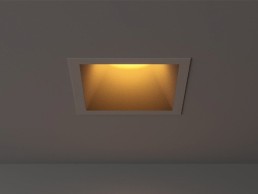
Lucifer Lighting LED Optics and Sources
Lucifer Lighting has responded to the changes in the way we work and live with the release of three new LED platforms.
"With more people spending more time at home, there's increased attention to details that improve our work and living environment. Higher quality and warmer toned interior lighting helps improve productivity and maintain natural, circadian rhythms," said Alexandra Mathews, Executive Vice President of Lucifer Lighting.
To meet this demand, Lucifer Lighting has released two new sources: a fixed 2200K LED, as well as a new warm dim LED specifically calibrated to the incandescent dimming range from 2700K to 1800K. These 90+ CRI sources are available for all Lucifer Lighting downlights, trackheads, and surface mount fixtures such as the Squilinder and Cylinder, with numerous driver options.
In addition, Lucifer Lighting has introduced a punchy narrow beam optic, with beam angles as tight as 10-degrees, with centre beam candle power as high as 12,500. This new, high density LED source has been optimised for narrow beam optics, and notably, is flexible enough to transition to standard optics and wider beams. Compatible with all Lucifer Lighting drivers, the narrow beam optic is available in 80+, 90+ and 97+ CRI, with 2 SDCM for 2700K, 3000L, 3500K and 4000K.
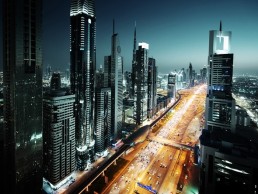
The Hotel Show Dubai launches Illuminate Dubai challenge
(Dubai) – Lighting design studios challenged to illuminate high-profile Sheikh Zayed Road properties as part of Hotel Show Dubai on 18-27 February 2021.
The Hotel Show Dubai has launched an eye-catching initiative designed to showcase the resilience of the region’s hospitality sector with the Illuminate Dubai festival of light set to spotlight the industry from 18-27 February.
The 10-day event will see a select group of popular hotels along Sheikh Zayed Road transformed by night into illuminated beacons of hospitality. Each hotel has been partnered with an international lighting design studio, with full creative license to construct a custom exterior façade installation under the theme Celebration of Lighting and Hospitality.
“Following an extremely challenging trading year for the hospitality industry in 2020, and the knock-on effect that the pandemic has had on those industry sectors that support tourism GDP contribution, we wanted to shine a light on the importance of this vital economic backbone,” said Jasmeet Bakshi, Group Event Director at dmg events – the organiser of The Hotel Show Dubai.
“With global research firm STR reporting a preliminary figure of 71% occupancy for the city’s hotels in December 2020 – the highest since last February – Illuminate Dubai will also build on this new momentum and create excitement among the hospitality industry lighting professionals, and the general public, as we unite to work towards re-energising business in 2021,” he added.
The list of participating hotels and lighting design pairings include:
- Fairmont Dubai and Light Touch
- Millennium Palace Marina and Light Fusion
- Crowne Plaza Dubai Marina and dpa lighting consultants
- Mercure Hotel Barsha and Neolight
- Raddisson Blu Residence Dubai Marina and Studio Lumen
- Sheraton Grand Hotel Dubai and LW Design
- Grand Plaza Mövenpcik Media City and KEO International Consultants
- Sheraton Mall of the Emirates Hotel and ATI Consultants
- Dusit Thani Dubai and Nathan Savage Lighting Design
David McNeil, Director of dpa lighting consultants, is excited to unveil his design for the Crowne Plaza Dubai Marina, which has seen the team work to create an installation that brings the twin industry celebratory theme to life. “Dubai has been a tourism pioneer for decades, from planning and delivering its architecturally iconic skyline to developing an exceptional tourism offering that attracted 16 million tourists in 2019,” he said. “Illuminate Dubai is a wonderful opportunity for us to highlight our work and the ever-evolving appeal of the Emirates’ hospitality sector. We are confident that this will add immeasurable value to the city’s tourism experience, and hopefully light the way for a positive business year.”
Illuminate Dubai is sponsored by Sylvania Lighting Middle East and Scientechnic Lighting Solutions.
Samer Moukalled, Vice President of Scientechnic Lighting Solutions, added: “The hospitality industry has long been a backbone to the thriving tourism sector of the UAE, and the idea of using light to re-establish its importance is a major boon for lighting experts.
“Lighting is often termed the unsung hero and Illuminate Dubai has created a platform to showcase its true power.”
www.thehotelshow.com/illuminate-dubai
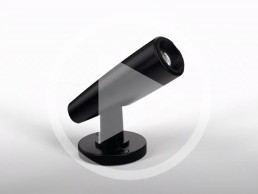
CLS LED: Focus Micro Series – The Art Of Lighting

CLS LED has introduced its latest product, the Focus Micro series. Small in size, but huge in performance, it is the result of an intensive collaboration between leading lighting designers from the museum world, and CLS as a manufacturer.
The Focus Micro series offers unique possibilities, such as zoom from 6º to 90º, and will seamlessly meet the needs of top designers worldwide.
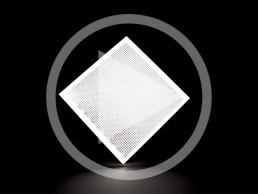
Applelec: LED Light Sheet
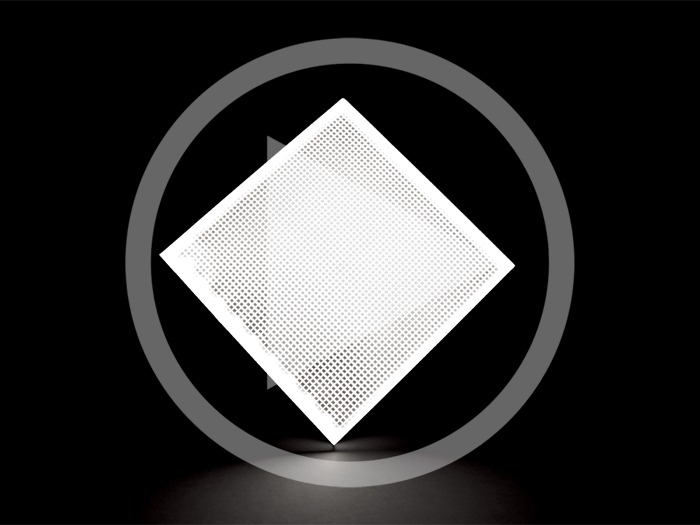
Celebrating 15 years of its UK-manufactured LED Light Sheet, Applelec's bespoke light panel has brought light to hospitality, retail and office space designs. We continually modify the engineering of our light panel, improving its capabilities and incorporating more advanced LEDs such as our new RGBW options, to consistently deliver a superior backlighting solution. Featuring a newly advanced 5-year warranty, Applelec LED Light Sheet has built a reputation as the go-to light panel for designers.