
Disruptia returns for its third edition in Madrid
(Spain) – UK-based creative consultancy Light Collective will host the third Disruptia event on innovation and change on 3 April 2025 in Madrid, Spain.=
At its core, Disruptia aims to explore the concept of disruption, defining disruption as a radical transformation of an industry through technology. The event will bring together professionals from various disciplines, including lighting design, product design, visual arts, architecture, and artificial intelligence, to discuss emerging trends and challenges in the field.
Light Collective, known for its work in curating industry-related events, recently expanded its presence in Latin America with a new branch led by former collaborator Magali Mendez. Disruptia was the first Light Collective LATAM event, and it is scheduled to return to Mexico City 2025.
The one-day event will feature keynote presentations and discussions with experts across fields. Attendees will have opportunities to exchange ideas, address industry challenges, and explore new technological developments. The programme also includes networking sessions.
Speakers include Ignacio Valero, Tupac Martir, Sophya Acosta, Marta Handenawer, Anne Bureau, Chris Pype, Nubi León, Africa Sabe, Rebeca Sánchez Pastor, Macarena Saenz, Juan Luis Fuentes, Jose Luis Revueltas and Tapio Rosenius.
The event is supported by formalighting, Ayrton, LEDLuks, and Anolis, and is partnered by APDI - the Spanish Lighting Design Association.
Tickets are available here: https://www.tickettailor.com/events/lightcollective/1582513

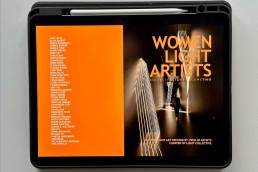
Volume Two of Collected Light out now
(Worldwide) – Light Collective has released volume two of its Collected Light series, highlighting women who work with light as an art medium.
Following the positive response to the first book and exhibitions, Light Collective identified a growing number of women artists whose work aligned with the project, leading to the development of Collected Light: Volume Two.
Volume two features 42 additional artists. Contributors to this edition include Alex Leyva, Alicia Eggert, Andrea Bowers, Chila Kumari Singh Burman, and many others, representing a diverse array of artistic styles and approaches.
Light Collective’s work engages in architectural lighting design and advocacy efforts such as Women in Lighting (WIL), which was established to elevate the visibility of women in the field and to address bias in professional lighting. This led to the creation of the Collected Light book series, which aims to amplify the work of female artists within the discipline.
Collected Light: Volume One was launched alongside an exhibition in London in November 2022, featuring six women artists and their works. The exhibition later travelled to Milan in March 2023, where it expanded to include additional artists. The touring exhibition continued in 2024 in Hong Kong, further broadening its scope and showcasing more women working with light.
More information about the project and its related publications can be found at www.womeninlighting.com and www.lightcollective.net.

Recolight welcomes Defra online marketplace WEEE announcement
(UK) – The UK Government has announced that online marketplaces are to be brought into scope of the WEEE regulations. This means that online marketplaces will be responsible for the WEEE costs of any non-compliant product sold through the platform.
Welcoming the news, Recolight CEO Nigel Harvey said: “It is great to see this change announced. For far too long, many online marketplaces have been able to avoid WEEE costs. That, in turn has meant that legitimate UK businesses pay more than their fair share. This change is a vital step to make sure that compliant UK businesses are not put at a competitive disadvantage by non-compliant imports.”
He added: "Recolight has campaigned to close the online marketplace WEEE loophole for many years. We’ve undertaken research that has shown the huge proportion of non-compliant products sold via such platforms. For example, one analysis showed that 76% of LED lightbulbs sold by a leading online marketplace were not WEEE compliant. For the 220 producer members of the Recolight WEEE scheme, this change cannot come too soon.”
The Government has not announced a definitive timetable for the legislation. However, given that the WEEE system operates in calendar years, it would be logical for regulations to be made during 2025, coming into full force in 2026. Any transitional arrangements allowed for in the regulations should prioritise ensuring that full financial liability is brought in as early as possible.
Dali Alliance Expands Board to Strengthen Global presence
(Worldwide) The DALI Alliance has expanded its Board of Directors in a move to align with its mission to enhance efficiency and sustainability in smart lighting for buildings and cities.
During the recent DALI Alliance general assembly, all nine incumbent board members were re-elected. In addition, four new directors were appointed:
- Kevin Gong (Sunricher) – Chief Technology Officer
- Stewart Langdown (Zencontrol) – Director of Business Development
- Windy Leung (LTECH) – International Sales Director
- Stephen Zhou (mwConnect) – Executive Vice President
With representation spanning Europe, China, the United States, and Australia, the board’s expansion enhances the Alliance’s ability to promote the DALI protocol. This includes interoperability, automation, scalability, wireless connectivity, IoT integration, and sustainability.
Paul Drosihn, General Manager of the DALI Alliance, commented: "To further fulfill our mission and commitment to our members, we are delighted to welcome Kevin Gong, Stewart Langdown, Windy Leung, and Stephen Zhou to the Board of Directors. Their expertise and regional representation will provide valuable insights, support native communication, and strengthen our global engagement. This expansion reinforces our role as a leading industry organisation focused on standardisation, market adoption, and the technological advancements needed to drive meaningful change."
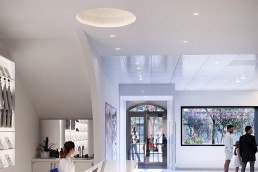
Stonewall National Monument Visitor Centre
(USA) - The Stonewall National Monument Visitor Centre (SNMVC) officially opened its doors on 28 June in 2024, serving as an educational resource and community hub. The centre was designed to honour the Stonewall Riots in 1969, a legendary and pivotal moment in history for modern LGBTQ+ rights movement in the United States.
Lutron, lighting and electronic manufacturer, has collaborated with EDG and Synthesis designs using 3D printing technology to create bespoke lighting for the centre to enhance its historical and aesthetic significance.
The project objectives were to develop fixtures that complement the historical narrative and architectural design of the SNMVC, including integrating state-of-the-art technology that ensures both the aesthetic and functional adaptability while ensuring sustainability and future-proof lighting system.
Synthesis designs employed its proprietary parametric design process, allowing designers to generate thousands of digital iterations before selecting the optimal configurations for the space. This approach developed two unique fixtures ‘Thrice-Upon-A-Time’ and ‘Resonance in Revolt’. The former is inspired by graffiti artist Keith Haring’s vibrant 1989 mural, Once Upon A Time, which is located nearby the centre, capturing the spirit of artistic activism and celebrating LGBTQ+ history. ‘Resonance of Revolt’ is designed as a dome luminaire featuring a pattern derived from an original tin ceiling tile discovered during the centre’s renovation, paying homage to the original architectural heritage of the Stonewall Inn and its surroundings. Both fixtures feature concealed LEDs mounted with knife-edge design ensuring the seamless integration with the ceiling and overall ambience.
To Support the evolving nature of an educational centre, Lutron’s wireless Athena control system was implemented to provide precision for consistent and dynamic illumination for a minimal aesthetic. This also allows flexibility for when the centre want to introduce new exhibitions or host events without physical rewiring or adjustments.
The use of integrated 3D-printed fixtures and advanced control system exemplifies the approach to museum lighting design. By blending historical relevance with historical innovation, EDG, Synthesis Designs and Lutron have successfully created an immersive and adaptable environment resulting in a space that not only educates about the past but provides a space for future generations to engage with.
Women’s industry groups: Who are they and why do we need them?
As a part of last weekend’s celebrations of International Women’s Day, we at arc want to reiterate some of the women’s lighting industry groups we support, discuss the impact they’re making and why joining or supporting such groups is important to everyone.
Women’s networking groups play a vital role in creating a supportive environment where members can navigate industry-specific challenges, gain mentorship, and advance their careers. In many fields – especially male-dominated ones – women often encounter obstacles like wage disparities, underrepresentation in leadership, and limited access to mentors.
These professional networks help break down workplace inequalities by connecting women with role models, offering guidance, and fostering career progression. They also provide a safe space to openly discuss workplace issues such as gender bias and work-life balance without fear of judgment. While some argue that these groups can be exclusionary, supporters’ emphasise their importance in driving real change, increasing leadership diversity, and empowering future generations of women in the workforce.
Women in Lighting + Design (WILD)…
WILD is a non-profit organisation based in the US that is dedicated to fostering inclusivity, mentorship, and professional growth within the lighting industry. As a volunteer-run entity, WILD operates through a Board of Directors and a Chapter Liaison Committee, ensuring balanced leadership and effective decision-making. Local chapters form the foundation of the organisation, bringing WILD’s mission to life by providing direct support, networking opportunities, and industry-specific resources to their members.
WILD’s mission is to create an open and supportive space where women in lighting can connect, share knowledge, and advocate for industry-wide change. By amplifying voices, increasing representation, and championing gender equity, WILD empowers its members to thrive both personally and professionally. Through mentorship, networking events, and educational initiatives, WILD actively works to break down barriers in the industry, promoting a more diverse and balanced workforce. While its primary focus is on supporting women, the organisation welcomes allies who share its vision for a more inclusive lighting industry.
www.womeninlightinganddesign.org
Women in Lighting (WIL)…
WIL is a global digital platform dedicated to showcasing and celebrating women in the lighting and lighting design industry. Through storytelling, social activism, and a strong online presence, WIL highlights achievements, challenges unconscious bias, and inspires the next generation. Supported by ambassadors in 75+ countries, the initiative fosters a connected international community, offering resources, local and global initiatives, an annual conference on 8 March, and an awards programme to recognise excellence in the field.
Established in 2019, by Martin Lupton and Sharon Stammers, the duo, known as Light Collective, are committed to documenting and celebrating all things light and all that it empowers. The Women in Lighting organisation has documented essential research into gender imbalances in the industry including a global survey in 2023 examining the lighting profession’s equity and opening discussions on how to change this.
Women Lighting Professionals (WLP)…
Within the Institution of Lighting Professionals (ILP), WLP is a group that provides support, resources, and advocacy for women and underrepresented groups in the lighting industry. Through events, publications, and online initiatives, WLP fosters an inclusive and equitable professional environment, ensuring that diverse voices are heard and valued.
WLP’s mission is to encourage and empower individuals – whether they identify as women, allies, or supporters – to actively engage in the lighting industry. The group promotes professional development by offering networking opportunities, mentorship, and access to industry knowledge, helping members enhance their careers and contribute meaningfully to the field.
As part of the ILP, WLP upholds industry standards, emphasising quality in lighting design, engineering, and technology for the built environment. Members work across various sectors, from public spaces to workplaces, retail, and residential applications, driving excellence in lighting solutions. More than just a networking group, the group is a movement advocating for diversity, inclusivity, and professional growth. Open to all, it provides a supportive framework for individuals of all genders, ages, abilities, and backgrounds, ensuring a more representative and innovative future for the lighting profession.
www.theilp.org.uk/branch/women-lighting-professionals
The National Lighting Bureau announces “Simply Light”
(USA) – National Lighting Bureau (NLB) in partnership with the American Lighting Association (ALA) and The Lighting Agora, have introduced a new educational initiative designed to uncomplicate lighting terms for the everyday.
Simply Light, features high profile lighting professionals who break down the essential concepts in simple terms:
- Mark Roush, Experience Light, “What is colour”
- Jason Livingston, JL Studio Design, “Colour Temperature”
- Jason Livingston, JL Studio Design, “Colour Rendering Index”
- Tom Butters, The Lighting Agora, “Lumens”
Mary Beth, Chair of NLB, says: “By introducing this much needed simple lighting vocabulary for the everyday users of lighting we can educate many non-lighting professionals with these concise and informative videos presented by top industry experts and spread the word. It’s Simply Light after all.”
Tom Butters, Director of NLB, adds: “The National Light Bureau is proud to work with our programme partners to provides Simply Light free for the benefit of our industry and general public. It is one of a number of collaborative programs with other like-minded organisations that the NLB will be launching in 2025 and beyond.”
Simply Light will be available to stream on www.nlb.org and YouTube.

Communicating Environmental Claims
In this issue the GreenLight Alliance breaks down the various environmental claims made by manufacturers, and the ways in which they can be applied to different needs.
How many times have we heard that a certain product is “Eco-Friendly” or that a new packaging is “Green”? Perhaps more recently we have also read a webpage or report stating that a luminaire or component is associated with a certain quantity of kg CO2 equivalent emissions, or that a production process emits X% less CO2, compared to another. All these examples represent environmental communications or claims; however, they are fundamentally different in the information they convey and in the way they are communicated. In this article we will define and explore different types of environmental claims and understand their context of validity and how they can be applied to different communication needs.
Introduction & Context
An environmental claim is an assertion made by an organisation about a product, service, process or brand related to their effect on the environment – in the most generic sense or connected to specific aspects and environmental burdens. Claims can be made referring to a product as a whole or to parts of the product, its packaging, the way it is used or disposed of.
As a result of increasing concern towards the consequences of industrial activities on the environment, organisations are interested in declaring that their products exhibit positive environmental impacts. Environmental claims are being increasingly used as a marketing tool to attract customers; however, sometimes they are very generic (“energy efficient”, “low carbon”, “sustainable”, etc.), which poses a risk to credibility if unsubstantiated. These claims could either exaggerate some environmental aspects of the product or even be completely false – referred to as “greenwashing”.
Considering the influence that these claims potentially have on consumers, standards are in place to protect them and prevent the circulation of misleading environmental communications. A misleading claim is defined as a statement made by a business omitting or hiding information with the intent of giving the impression that their product does not have negative effects on the environment (1).
To make sure practices are aligned, international standards regulating labelling and environmental claims exist and classify claims based on what they communicate and the evidence behind them. Under the overarching ISO 14020 standard (Environmental statements and programmes for products: principles and general requirements), we can find specific standards identifying and explaining the three main types of environmental claims: Type I (or Ecolabels), Type II (or self-declarations) and Type III (or Environmental Product Declaration, EPD).
Type I, II, and III Claims
The standard ISO 14020:2023 is the core standard regulating the practice of producing environmental statements. The standard defines the basic principles that should be followed before environmental claims are created, including clearly specifying the type of statement, the criteria and the methodology used to produce it. Fundamental concepts behind any type of claims include: credibility, use of evidence-based methodologies, transparency and adoption of a life-cycle perspective. The criteria listed in ISO 14020 need to be followed in addition to those listed in other standards for specific claims.
Type I Claims, or Ecolabels
Relevant standard: ISO 14024:2018 – Environmental labels and declarations. Type I environmental labelling: principles and procedures.
Type I environmental claims are voluntary in nature and their overall goal is to communicate that a product or service meets the requirements of a specific labelling programme, related to environmentally beneficial aspects. The process starts with a preliminary feasibility study on the potential product categories that will be subject of the claim. Environmental criteria will then be evaluated, linked to specific product life-cycle stages, and the labelling programme will identify the most relevant areas to address using qualitative and quantitative approaches.
In order to certify the claim, a third-party verification is carried out, assessing whether the claim follows the criteria of the labelling programme. During this step, additional documentation may be requested to support the declaration. After the third-party verification is concluded, the licence to use the ecolabel is awarded to the organisation making the claim.
Type II Claims, or self-declarations
Relevant standard: ISO 14021:2016+A1:2021 - Environmental labels and declarations. Self-declared environmental claims (Type II environmental labelling).
Type II environmental claims are voluntary statements, symbols or graphics placed on the product, packaging or in literature related to the product. The goal of self-declared claims is to highlight aspects of products or services which cause less burdens on the environment. Due to the nature of these claims, it is fundamental that they are genuine, verifiable, scientifically sound and non-misleading. Several fixed requirements apply to Type II claims, such as a ban on vague claims (e.g. environmentally friendly, green, etc.) and on claims of sustainability – due to the high complexity of this concept and the absence of methods able to confirm the achievement of sustainability.
Strict requirements also apply to comparative claims, which can only be made based on products achieving the same function and using published and recognised methods.
For a Type II claim to be verifiable and trustworthy, the necessary information should be publicly available and accessible, including the identification of the standards and methods used, evidence and test results and proof of conformity with the requirements of ISO 14021.
Type III Claims, or Environmental Product Declarations (EPD)
Relevant standard: ISO 14025:2010 – Environmental labels and declarations. Type III environmental declarations: principles and procedures.
Type III environmental claims (or EPDs) involve quantified environmental information on the life cycle of a product. This is the only type of declaration that must be based on Life Cycle Assessment (LCA) data produced in accordance with the ISO 14040 series of standards, while Type I and II only mandate the use of a life-cycle perspective. Additionally, Type III declarations are subject to the administration of a Programme Operator (PO) and must go through a third-party verification process. Like the other types of claims, the production of Type III declarations is voluntary.
In principle, Type III declarations are intended for users to compare the environmental performance on products; however, limitations apply to this practice: the function of the products, functional unit, system boundary, type of data (including data quality, coverage and sources), inclusion/exclusion criteria, data collection methods, calculation procedures, allocation rules and several other methodological aspects must be identical or equivalent.
In addition to the requirements of ISO 14025, Type III declarations must comply with sets of rules produced by a Programme Operator; these are identified as Product Category Rules (PCR). These will contain criteria related to specific sectors, geographical regions, methodological aspects to follow for the LCA and reporting format for the declaration.
Verification procedures are also established by the Programme Operator; verification includes checking LCA data and conformance with ISO 14020, relevant PCR and other relevant ISO standards.
Examples of different claims and what they “unlock”
While the requirements of the ISO standards do not mandate the actions of a company from a legal perspective, the nature of the different environmental claim types makes them more or less suitable to be used in specific circumstances. To better understand the validity of these claims and what a company or organisation can achieve with them, let’s look at some examples.
Type I
Among the most popular Type I labels in Europe (2) we can find the Cradle-To-Cradle (3) certification. This is an international, multi-attribute programme addressing several environmental aspects of products, focusing on circularity and material health attributes. This label is being increasingly used, also by lighting manufacturers.
Type I claims are powerful marketing tools. This means, not only they highlight products for consumers looking to make informed decisions, but could also make it easier to obtain credibility and even additional certifications, nationally and internationally. A company submitting their product for an eco-label is not necessarily communicating quantitative environmental impacts regarding that product, but is rather letting consumers know that there is a (verified and certified) aspect of the product related to positive environmental performance, which makes the product stand out compared to others in the market.
Type II
There is no set format for self-declared claims. An example of this type of communication could be the declaration that a luminaire’s packaging can be recycled. However, when this is only indicated with the use of the Mobius loop symbol, without any explanatory statements, the claim risks being misleading. An example of explanatory statement accompanying this type of claim could be: “The plastic of this packaging is polyethylene, which can be recycled at any plant in [location].”
Before being able to declare this, the company making the claim must verify that the declaration is true, and be able to produce and provide documentation supporting this to any party requesting it. Another scenario where a Type II claim is used and substantiated is, for example, a company declaring that a luminaire is associated with a certain amount of Greenhouse Gas emissions (expressed in kgCO2e, for example referring to the embodied carbon), also providing background information in the form of an LCA report.
The benefits that can be unlocked through these claims, similar to Type I communications, are mostly related to marketing and differentiation purposes. This type of claims is also often linked with customer engagement, as customers willing to make more environmentally informed decisions will be inclined to value the communication and even reach out to the company for further information.
Type III
Environmental Product Declarations must be reported following specific templates and including environmental impacts connected with the product’s life cycle and with multiple impact categories. While Type I and Type II can be targeted towards specific aspects (with some limitations), Type III declarations must be comprehensive of as many impact categories as defined in the PCR and standards. EPDs can be created for single products, for a company’s average product or even for an entire industry’s average product. In the lighting industry, this topic is starting to gain momentum, with Programme Operators such as PEP Ecopassport or IBU Berlin offering PCR specific to luminaires.
EPDs contain detailed and quantified information on products and their environmental impacts and can only be published and distributed after third-party verification of the information they contain. Therefore, as opposed to the other types of environmental declarations, these two aspects make them suitable to be used for regulatory compliance requirements (related to environmental disclosure), public calls in the building sector, and compliance with building certification schemes (for example BREEAM or LEED).
However, in addition to this, a company investing in the capability of creating EPDs, will also unlock the capability to carry out Life Cycle Assessment studies. LCA will allow the company to assess the impact of their own decisions and operations, and potentially drive innovations connected with optimisation of product design, supply chain and overall cost and efficiency. This capability is enough to substantiate self-declared (Type II) claims; however, being able to demonstrate to customers that all this has been checked and verified by an independent organisation adds a layer of credibility to these efforts, which consumers value when being presented with environmental information.
Conclusions
Considering the power that environmental claims can have on consumers, it is important to be able to navigate in the ocean of environmental labels and claims that characterises the marketplace nowadays. A recent survey study by McKinsey (4) revealed that over 60% of the respondents would be willing to pay more for a product advertised to have sustainable packaging. However, a recent study (5) on consumers’ behaviour also suggested that unsuspecting consumers are not able to identify greenwashing or misleading green claims on products, but become more aware of it when prompted.
As an industry we have the responsibility to provide the consumers with honest environmental claims and allow them to make meaningful and informed decisions on their purchases. This can only be achieved with fair market practices, consumer education and a ban on misleading claims, as already highlighted by governmental action such as the European directive on Green Claims (6) or the Green Claims Code campaign in the UK (7).
The communication of Type II claims has the potential to be an important stepping stone for lighting manufacturers willing to transparently declare environmental impact information on their products: carrying out LCA on products following relevant PCR and standards and sharing the results in the form of a report is a valid strategy that allows for more environmental information at product level to be circulated. These reports cannot be categorised as EPDs, because they would not necessarily go through a third-party verification, however they still contain information that can be substantiated and justified if the criteria of ISO 14021 are followed, and the process is carried out transparently.
www.greenlight-alliance.com
References:
1. Competition and Markets Authority (Gov.UK). Making environmental claims on goods and services [Internet]. 2021. Available from: https://www.gov.uk/government/publications/green-claims-code-making-environmental-claims/environmental-claims-on-goods-and-services
2. GreenSpec. Type I “Ecolabels” commonly used in Europe [Internet]. Available from: https://www.greenspec.co.uk/ecolabels-used-in-europe/
3. Cradle To Cradle Institute. Cradle To Cradle [Internet]. Available from: https://c2ccertified.org/
4. McKinsey & Company. Consumers care about sustainability—and back it up with their wallets [Internet]. 2023. Available from: https://www.mckinsey.com/industries/consumer-packaged-goods/our-insights/consumers-care-about-sustainability-and-back-it-up-with-their-wallets
5. Fella S, Bausa E., Green or greenwashed? Examining consumers’ ability to identify greenwashing. J Environ Psychol, 2024 ;95(102281). Available from: https://www.sciencedirect.com/science/article/pii/S0272494424000549
6. European Commission. Green Claims [Internet]. Available from: https://environment.ec.europa.eu/topics/circular-economy/green-claims_en
7. UK Government. Green Claims Code [Internet]. Available from: https://greenclaims.campaign.gov.uk/
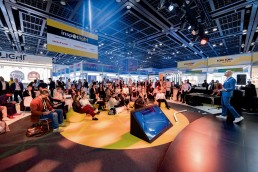
Light Middle East Review
The yearly “curtain raiser” of Light + Intelligent Building Middle East returned to Dubai this January. arc editor Matt Waring once again made his way to the city to take part in its stacked educational programme.
If your new year’s resolution was to travel more, or to connect with the lighting community, or take part in more engaging, educational and insightful talks programmes, you couldn’t have done much better than visiting Dubai this January for
Light + Intelligent Building Middle East.
Now firmly established as a popular “curtain raiser” in the lighting design calendar, this year marked the 18th edition of the fair, and the theme for the 2025 edition was ‘Building Commonality Through Community, Creativity, and Culture’.
Alongside a busy trade show floor filled with an international array of exhibitors – and the addition of immersive light art installation The Moving Hues 2.0, created by StudioPlus and MYVN Architecture – the show once again hosted a full slate of fascinating presentations and panel discussions across its three stages: the Smart Building Summit, InSpotLight, and ThinkLight.
Expanding on the show’s overarching theme of building commonality, the talks programmes welcomed an international array of speakers, each bringing their own unique perspectives and local approaches to proceedings.
Avid readers will remember that last year was my first trip to Light + Intelligent Building Middle East (and to Dubai in general), and having enjoyed it so much, I was all too eager to return to Dubai’s International Trade Center to get inspired once again, and to connect with this brilliant industry of ours.
Last time out, I essentially camped out at the ThinkLight stage to make the most of its packed out programme, but this time around, I did my best to branch out a little further and try to see a bit more of the show, and some of the talks on its other stages – a difficult task considering the strength of each programme.
And so, it felt akin to attending a music festival (albeit with much nicer toilets) as I pored over the schedule, tackling clashes and deciding how best to divide my time for the next three days.
Opening the show, after a brief introduction from Light Collective’s Martin Lupton, I sat in on a keynote presentation from Nikos Moskofidis and Lee Sweetman, Partners at dpa lighting consultants. In their session, the pair detailed dpa’s history of work in the Middle East, dating back to the Sheraton Hotel Dubai Creek in 1979, before delving into the marriage between light and architecture to form identity, and the idea of ‘less is more’, interpreting darkness through careful thought to create areas of contrast. “It always amazes me how little light you need, and how far it goes,” being one of Sweetman’s comments during the talk.
(This wasn’t to be my only interaction with dpa, as Moskofidis very graciously gave me a tour of the nearby One Za’abeel. You can read more about this amazing project on page 60 of this issue.)
Following this, Kevin Grant of Light Alliance led a session on the ongoing progression of Saudi Arabia as a “Global Epicentre of Innovative Lighting”. Focusing primarily on the “Giga Projects”, and the nation’s “Vision 2030” ambitions, Grant shared some examples of the major works ongoing in Saudi at the moment, from museums and hospitality projects to large scale infrastructure works. From here, Myriam Patricia Lopez, Sergio Padula (iGuzzini), Ziad Fattouh (Delta Lighting Design), and David Gilbey (d-lighting), each shared their own experiences of working in the region, discussing the marriage of scale and creativity, the switch in focus from bright buildings to dark skies, the vast financial backing that a lot of work in the region is getting, but also some of the pitfalls and challenges that come with this. A Q&A session followed, comparing and contrasting the ideas and approaches in Saudi Arabia with those of the UAE, and the Middle East as a whole.
Up next was a session on immersive installations and the role that lighting plays in creating experiential and fully immersive environments. To start with, [d]arc media favourite Frankie Boyle talked about the biological and psychological benefits of light, and the way that experiential installations, such as those that she creates, use light to “cross borders”, connect people to nature, and ultimately provide its viewers with a special kind of nourishment. As she said herself to close out her talk, “light is food, and we need to start seeing it that way”.
Boyle was then joined onstage by Koert Vermeulen (ACTLD), Peter Veale (FPOV), Anna Magritskaya (Theatre of Digital Arts), and Sarvdeep Singh Basur (Lucent Worldwide), for a panel, moderated by IALD President Andrea Hartranft on immersive design approaches and light art as a “commonality builder” – in keeping with the show’s overarching theme.
In an insightful discussion, the panelists covered the distinctions between “immersive” and “interactive” experiences, as well as the difficulties that come when trying to account for cultural and interpersonal perspectives and responses, particularly when creating such experiences internationally. Alongside this, the talk looked at the approaches to light art and its place within communities, and how the value of such immersive experiences can be quantified.
After catching a chunk of Paul Nulty’s “Conversation in Light” with interior designer Kristina Zanic, Day One closed out with the very entertaining Brilliance Light Quiz, led by Light Collective. Not just focusing on lighting, the quiz had rounds on architecture, product design, light art, cinema, and some general knowledge; and I’m incredibly proud to say that your humble Editor was part of the winning team! Huge shout out to my QuizTeama Aguilera teammates – you know who you are!
Following the show, the festivities continued with a party at Grosvenor House Hotel’s City Social, courtesy of IBL and CLA – a wonderful way to round off a great first day at the show, so thanks to them for their hospitality.
Day Two began in inspiring fashion with a wonderful presentation from Koert Vermuelen, who looked to the future, examining how what we design today will be used in the coming years. With a particular focus on “experience design” and the marriage of architecture and entertainment, he shared some stunning examples from his own portfolio, which varied from more traditional architectural lighting, to large scale live productions. His talk also touched on the role of storytelling, and how this can be broken down into explicit, implicit, and experiential categories.
Up next, Gary Thornton of Nulty kicked off an insightful discussion on the role of lighting on a city-wide scale, with a presentation on light as a medium to create cohesive cities. Here, he discussed the importance of striking a balance between culture and cohesion, and the important role that lighting plays in crafting the identity of a space. With particular reference to the book Restorative Cities by Jenny Roe and Layla McCay, Thornton covered the myriad issues that face urban lighting strategies, such as the balance between light and darkness, the oft-misunderstood conception of more light equating to safer spaces – with particular reference to the over illumination of social housing. He shared the important message that if you “undervalue a space, you undervalue its people”.
Pulling on this thread further, Thornton was joined by Dan Lister (Arup), Stephanie Hreiki (WSP), and Cherine Saroufim (Idepconsult) for a panel discussion on the subject. Here, the speakers talked of the need for lighting to celebrate the people of a city in a cohesive and equitable way.
While Lister explained that there has been a transition in public realm lighting from being a “maintenance burden” to something more engaging and inviting, the panel agreed that more needs to be done to create balanced and context-sensitive environments. Interestingly, the topic also turned to standards for exterior lighting, and whether there needs to be an introduction of maximum light level guidance, as opposed to minimum light levels.
Always good for a thought-provoking session, I caught a talk from Emrah Baki Ulas of Steensen Varming next. He blew my mind with a talk at IALD Enlighten Europe a couple of years ago, and was equally inspiring here with a session on commonality, and why the industry needs to work towards common goals. In his talk, Ulas covered the need for lighting professionals to “strip ourselves of our delusions of significance” and be kinder to each other in order to better work in harmony with the wider building industry. In his typical fashion, he then compared the need for commonality in the industry to thermodynamics and how, in a thermos-equilibrium, multiple systems can only work in harmony together – something that we can all learn from.
My final session for Day Two, before being whisked off to One Za’abeel, was another panel discussion; alongside Ulas, Sophie O’Rourke (AECOM), Maria Dautant (HLB Lighting Design), Giovanni Zambri (Smith Tait), and Mark Lien (IES), continued the conversation on commonality and how best to achieve this. Tackling themes such as individual responsibility, cultural sensitivity, and broader education, the overwhelming outcome of the session was that collaboration across all parties was core to achieving commonality.
Opening Day Three, I was finally able to tear myself away from the ThinkLight stage to see some talks on the InSpotLight stage instead. Typically focused on some of the more technical aspects of lighting design, the day opened with a session from Dr. Riad Saraji, Professor and Dean at the College of Architecture, Art, and Design at Ajman University, UAE. Taking us on a whistlestop tour through time, his session, titled “From the Big Bang to Bright Spaces”, offered a scientific take on natural light, how it impacts us, and how we perceive it – from refraction, glare and contrast to the non-visual effects of light and things like Seasonal Affective Disorder.
Following this, Nadine Baalbaki, Founder of Light The Detail, gave a stirring session on the issue of light poverty. Titled “Not All Skies Are Happy Skies”, the session gave a contrasting perspective on the much talked about push for dark skies. Coming from Lebanon, Baalbaki shared her experiences of living in a country with severe power cuts and wars, where dark skies are associated with fear and the threat of bombing, where candlelight was used but the warm light wasn’t perceived in the typical, romantic way, and where an abundance and availability of light equated to increased safety.
With a programme in which many speakers talked of the importance of context and of local, cultural values, Baalbaki’s session was a startling reminder of that very fact, and that what may be the case in one country, may not be so in another.
After this moving talk, I sought a change of pace back on the ThinkLight stage, where Konstantin Klaas of Licht Kunst Licht talked about “Tailored Designs for Iconic Spaces”, sharing examples of some beautiful projects where bespoke lighting solutions were needed, and the various challenges that came with this. In many cases, these bespoke solutions would then get rolled out and become available to all, so Klaas called for further collaboration between designers and manufacturers – such as in the automotive industry – to revitalise product design.
Keeping the beautiful projects flowing, Klaas was followed by the incredible Eleftheria Deko, who delivered a talk titled “Illuminating Iconic Buildings” – something that she is very experienced in. In a session filled with stunning examples of lighting design, Deko talked of the duty that comes with “honouring monuments” with light, stating that these “enduring symbols of civilisation” represent culture and history, so lighting designers need to tell the story of the era in which they were created. Deko is such an inspirational figure that it is always a pleasure to hear her talk about the power of light (as I discovered all too well during our interview in arc #142), and here was no exception. If you ever get a chance to hear her speak, don’t hesitate to do so.
With the event now at its festival-clashing peak, after Deko’s talk I quickly dashed back to the InSpotLight stage for one more panel discussion, this time moderated by the always-delightful Linus Lopez, on aligned solutions for global challenges. Here, Andrea Hartranft, Maria Dautant, Nadine Baalbaki, and Amardeep M. Dugar each offered their own perspectives on the topic, from educational opportunities and approaches to sustainability, to the need for more “Salutogenic Design” – the combination of architecture, neuroscience and psychology to create genuinely healthy environments.
If navigating the talks programme felt akin to a festival line-up, then I guess that makes me Elton John, as after Brienne Willcock and Dan Lister gave an overview of the work of the Illuminating Engineering Society (IES) and Society of Light and Lighting (SLL) respectively, yours truly closed out the InSpotlight stage, moderating a panel on Building Commonality on Global Lighting Best Practices. Joining me on stage, alongside Willcock and Lister, were Riad Saraji, Mark Lien, Regina Santos (Light Fusion), and Jelena Lazarevic (Foundry). The talk delved into the collaboration that exists between the IES and SLL, and the work that each are doing to create more consistency and cohesion in their lighting standards and guidelines – which can, at times, contradict each other. We also examined the approaches of those working in the MEA region, where contextual and cultural differences may mean that standards from the US-based IES and UK-based SLL may not be feasible. As the last talk of the event, we were also able to look back on some key points raised in other sessions, particularly those in which the panelists had also participated. It was an enthralling discussion, which may have raised more questions than answers, and was an excellent way to close out three fascinating days of talks.
The show’s overarching theme of building commonality was present across the whole slate of talks, on each stage, but it was refreshing that, in a three-day event, each speaker presented their own unique take on the topic – proof if ever it was needed that, while we all strive for a more unified and connected industry, there isn’t one clear, defined route to do so.
Avid readers among you may also remember that, this time last year, my trip to Dubai did not extent to the show’s final day, and as such I missed the closing Light Middle East Awards Gala Dinner. So overwhelming was the FOMO as I flew out of the city that I made sure not to make the same mistake this year. So, glad rags well and truly donned, myself and my arc colleagues did our best James Bond impressions as we made our way to the Ritz Carlton for a beautiful night of festivities and celebration. The mood was suitably high during the dinner (and the after party), and it was a perfect way to close out an excellent week in Dubai.
www.light-middle-east.ae.messefrankfurt.com
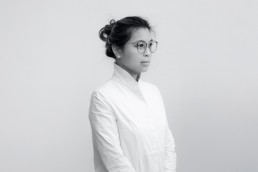
Eugenia Cheng
After a landmark year in 2024, arc sits down with [d]arc awards Best of the Best winner Eugenia Cheng, founder of LightOrigin Studio, to learn more about her design journey, and see what the future holds after such a successful 12 months.
There are few lighting designers who could claim to have had a more successful past 12 months than Eugenia Cheng. With speaking engagements at lighting events across the world, a slew of beautiful new projects, and a collection of high-profile award wins – including the[d]arc awards Best of the Best honour at the [d]arc awards – 2024 was a breakout year for the Hong Kong-based designer and founder of LightOrigin Studio.
Speaking with arc magazine, Cheng reflected on her banner year in typically humble fashion. “2024 proved to be a significant milestone for both myself and my studio – almost overwhelming because it was so unexpected!
“I attribute our success to several key factors: the dedication of my team, the trust bestowed upon us by our clients, and the invaluable support from our design partners. Most importantly, we maintained a strong work ethic, and despite facing many design challenges, we remained determined, optimistic, resilient, and unafraid.
“Reflecting on the past 12 months, I recognise substantial growth on both professional and personal levels. Participation in the various design and lighting events allowed me to reconnect with old friends while forming new relationships. The exchange of ideas and knowledge with fellow lighting professionals was enlightening and invigorating. I am in awe of the support and generosity demonstrated within our industry, which has further inspired me to pursue continuous learning, contribute meaningfully, and positively impact our field.
“While we received numerous compliments, we also encountered constructive criticisms, some of which were less respectful. 2024 was a valuable lesson in adapting our mindsets, processing diverse feedback, and embracing new perspectives. Although these challenges were not always easy to navigate, they fostered a more profound humility in our design approach and management.”
Born in Hong Kong and raised in Taipei, Taiwan, before returning to Hong Kong for secondary school, Cheng recalls that, unlike her more academically inclined peers, she was more interested in pursuing the creative arts. “However, a passion for the arts and design was often considered unpopular and frowned upon among many traditional Chinese families, as it was not viewed as a viable professional path,” she adds.
“I was fortunate that my parents and teachers recognised my creative potential, provided tremendous support, and encouraged me to further my creative studies in the UK after completing my A-levels. Without their encouragement, I unequivocally would have chosen a very different path in life.”
When in the UK, she attended Loughborough University for her art and design foundation year, before moving to London to study Interior and Spatial Design at Chelsea College of Art and Design, University of the Arts London. She later pursued a Master’s degree in Light and Lighting at The Bartlett, UCL.
With that creative mindset always there, Cheng says that she first “noticed” lighting during her school years, when she was given her first camera, a Canon A1, by her father – something that she says “sparked a lifelong interest in photography”.
“I actively engaged in the school’s photography activities, and as chief student photographer for the school magazine, I often supported our school photography teacher, who imparted invaluable knowledge about the form, and the crucial role of light and shadow. I started exploring different genres of photography, and unlike today’s instant gratification offered by digital cameras, working with film required me to maintain a detailed journal for each picture I took. I recorded notes on aperture, shutter speeds, ISO, the differences between natural and artificial light, and lux levels. This process taught me to control various elements to achieve my desired results.
“Though my knowledge of lighting was elementary, I already knew how powerful light and lighting was as a medium. The realisation struck me that something I had taken for granted, something I encountered daily but often overlooked, could have such a powerful impact on our visual senses and influence our connection to our environments, as well as our emotions and wellbeing.”
Although Cheng’s first dalliances with light were geared towards photography and photojournalism (“I was a huge fan of Henri Catier-Bresson, Steve McCurry and Annie Leibovitz, and since my teenage years I aspired to follow in their footsteps”), after completing her foundation year at university, she applied to both photography and interior and spatial design courses, receiving acceptance offers from both. Ultimately, after much struggle, she chose Interior and Spatial Design, “knowing it was the subject my parents would approve of and prefer between the two”.
It was here, during her third year at university in Chelsea, that lighting design as a potential career path, started to emerge. “I was struggling to find an interior design niche and narrative that represented me while fulfilling the design brief for my final year project,” she recalls. “I loved architecture and interior design, yet I have always felt constrained by the idea of using physical structures to create spaces.
“My studio tutor suggested that I should ‘think outside the box’ and encouraged me to explore the concept of light again, just as I once did with photography. I looked into photographers and installation artists who focused on using light and colour and the primary mediums to create visual dimensions in different spaces. Through the works of Dan Flavin, James Turrell, and many others, I was reminded that when used creatively and thoughtfully, light can create layered dimensions and spaces. The ability to create layers of space – almost walls – through the clever application of illumination, colour, and artistically positioned light, balancing contrast and shadows, can provide viewers with a transcendent experience of navigating through different spaces, even in the absence of physical structures.
“This realisation piqued my curiosity immensely, and it was then that I realised I wanted to further my studies to deepen my understanding of this field. I recognised that lighting is not just an art, but also a science. Although I wasn’t sure which lighting design career path I wanted to pursue then, I knew I wanted to be involved in this area regardless.”
After completing her undergraduate studies, and before she began her full-time MSc programme at The Bartlett, Cheng attended an SLL seminar – her first exposure to professional architectural lighting design. As a relative novice to some of the more technical terms, she says that she spoke with a “kind-looking attendee sitting next to me”, who explained a few concepts. This designer, Alma Cardzic, later became her first boss, offering Cheng the chance to start her career as a full-graduate designer at Hilson Moran while she studied part time. “It was extremely tough to study and work simultaneously, especially with such elementary knowledge of the profession and design discipline. But it allowed me to apply what I learnt from work to my studies while practicing academic and theoretical concepts professionally,” she adds.
After her time at Hilson Moran, Cheng took a junior lighting designer position at BDSP (now ChapmanBDSP), where she worked for several years, before returning to Hong Kong and joining TinoKwan Lighting Conultants, where she says Kwan was an ideal mentor figure.
“Under Tino’s guidance, I learned to become a well-rounded designer, balancing creativity with practicality. He taught me the importance of being artistic, yet realistic, thinking outside the box while remaining grounded, and taking pride in my designs while staying humble,” she says. “I learned to insist on my ideas when necessary, and recognise when to yield. He emphasised working within guidelines without allowing rules to stifle creativity. His teachings have influenced and helped me become who I am today as a lighting designer. Tino pioneered the lighting design industry in Hong Kong, and I was very inspired by his work ethic, determination, and entrepreneurship, which further inspired me to one day have my studio and represent our community in the way that he has.”
Since establishing LightOrigin Studio in 2018, Cheng now hopes to take on a similar mentor role to emerging designers in the industry, both in her native Hong Kong, and internationally.
This has seen her take part in the Silhouette Awards as a mentor, and also form a new initiative aimed at promoting the lighting industry to the wider public.
“I have been fortunate to have had several mentors throughout my career, each playing a pivotal role at different stages of my journey. They guided me and generously shared their professional and personal experiences and knowledge. Apart from my family, my mentors made me who I am today. Truly inspired by their support, I aspire to do the same for others.
“Contributing to our community and industry is something I’ve always wanted to do, and the Silhouette Awards mentorship programme plays a very important role in providing a platform for me to give back, while also being an enriching journey. Being able to guide others towards success by sharing my experiences will bring me great fulfilment, and enhance my personal growth and leadership skills.”
Closer to home, Cheng and some of her fellow Hong Kong lighting peers are also planning to launch a new initiative aimed at bringing the local community together through a series of lighting events to educate the local public, private, and municipal sectors about what “light and lighting” is.
“While many high-profile clients and projects already grasp this concept, there remains a significant gap in knowledge and education regarding lighting design in Hong Kong, especially compared to the UK, Europe, and the US. Consequently, numerous local lighting projects have faced challenges due to a lack of appreciation for well-designed lighting and the expertise of lighting designers.
“We hope to inspire our community with these talks and, if our first event is successful, expand the initiative to include more local lighting designers as speakers, sharing their insights with the general public. We currently lack a local lighting association to promote our industry and community effectively. This gap has motivated us to take action, leading to the creation of our initiative. We believe it’s time to step up and make a difference. All of us are volunteering our time purely out of a passion and a deep commitment to the Hong Kong lighting industry.”
Spreading the good word about the importance of good quality lighting design is something that Cheng has been passionate about, going back to before establishing her own firm, but she says that it is one of the core principles of LightOrigin Studio.
“When I first started in the lighting industry, I wanted to bring a fresh perspective that emphasised the importance of functionality and aesthetics in lighting design, and that light can curate layers, spaces and dimensions, even in the absence of physical structures,” she explains.
“My ambition was to create illuminated spaces that embodied form and function and impact positively the emotional and psychological wellbeing of those experiencing them. Over the years, I’ve seen my vision evolve, and I believe I’ve made significant strides in achieving this goal through my projects and collaborations.
“As a studio, I aimed to make quality lighting design accessible to a broader audience in the luxury sector and beyond. I wanted to demonstrate that lighting could positively impact everyday environments. Having specialised in hospitality and high-end developments for most of my career, I increasingly felt that quality lighting design should extend beyond the luxury sector.
“I firmly believe that ‘good lighting is for everyone’. Lighting design services needn’t always be expensive, and I aim to give back to the community by demonstrating that quality lighting is available to all whenever I can.
“With the constant evolution of lighting technology and scientific research, high-quality fixtures are now available at competitive prices, making good lighting more accessible to a broader audience.”
LightOrigin Studio’s ethos, therefore, is founded on the principle of balance, and of quality over quantity. Adopting a user-centric approach, the team works to ensure equal emphasis on utility and aesthetics, as well as on daylight and artificial lighting.
“We are committed to designing with health and sustainability in mind, considering environmental and human circadian factors. Rather than treating artificial light as a standalone feature, where possible, we focus on integrating natural and artificial light to complement the architecture. This practice is fundamentally sustainable, as it aims to reduce the number of artificial sources, and the energy expended, rather than simply increasing lighting fixtures for decorative purposes.”
With these principles firmly in place for LightOrigin Studio, Cheng explains that, while every project is of course different, and has its own requirements, there is a typical approach that she likes to take when beginning on a new project.
“We start by thoroughly exploring the design brief by identifying the target audience, understanding the architecture, the purpose of the space, long term projections, and the client’s wish list.
“Based on past experiences, we formulate a design strategy that allows us to work creatively within the framework of lighting guidelines and recommendations. Once these elements are clearly defined, I begin the actual design work.
“After completing the initial design, I revisit it from an ‘aerial perspective’, and assess whether the design has fulfilled our original intentions and aligned with our design ethos. In a world where imagery and social media are such a crucial part of our daily experiences, it is easy to lose sight that while a picture may be worth a thousand words, an experience is worth even more.
“While aesthetics are certainly important, as architectural lighting designers, I believe our focus goes beyond creating visually appealing temporary moments. We design lighting for people and should consider the daily experiences of those who inhabit these spaces, whether or not they are conscious of lighting’s effects. I aim to evaluate our work critically and determine whether our design demonstrates a clear understanding of the space and its users and whether we are fulfilling our design responsibilities by considering comfort, usability, sustainability, cost, and environmental impact.”
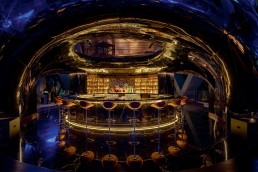
The approach has gained Cheng plenty of plaudits over the past year, none more so than for the Artifact Bar – the project that won the Best of the Best award at last year’s [d]arc awards, as well as trophies at the Dezeen Awards, LIT Lighting Design Awards, and FRAME Awards. A speakeasy bar hidden inside Hong Kong’s BaseHall Central, the inspiration for the lighting design was drawn from its rhythmic patterns of underground cisterns, and contributes greatly to a tranquil yet theatrical atmosphere and ethereal ambience. A captivating architectural and lighting experience is exemplified in the venue’s main bar where, on entering, guests are met with a mirrored ceiling that creates an illusion of infinite heights, accompanied by bold, rib-like architectural structures accentuated by strategically placed indirect lights. The bar also features a captivating circular skylight, emitting a soft glow evocative of a sunset, transporting guests to an immersive visual and sensory delight; the ideology of the paradoxical presence of sunlight in an underground space, juxtaposed with the dimly lit surroundings, imparts a sense of surrealism.
Reflecting on the project’s success, Cheng describes the feeling as “almost surreal and bewildering!” She adds: “The design accolades and recognition we received from the lighting design community and design peers are a tremendous encouragement, making all the long hours and hard work feel worthwhile and meaningful. Having said that, it also serves as a reminder to strive for excellence, continue working hard, and maintain humility. There is a Chinese saying, “不忘初心”, meaning ‘Do not forget your original intentions’.
“Through my achievements last year on such an international stage, I hope to be one of many who continue to represent our design community in Hong Kong and showcase the incredible talents that Hong Kong lighting designers have to offer.”
While the response to Artifact Bar was a dream for Cheng, when it comes to dream projects, there is something else that she has in mind. “My dream project would be to work on a cultural heritage establishment in my hometown of Hong Kong, driven entirely by the concept of light, where we’d be given carte blanche. I envision having complete creative freedom to illuminate the architecture and interior spaces, as well as to design a featured light art installation using sustainable and recycled materials that are intricately woven into the environment,” she says.
“This level of design autonomy would be excitingly challenging. Still, it would allow me to explore innovative concepts and create an immersive experience, encouraging the local community and visitors to celebrate and appreciate the local culture and heritage space. It would hold deep personal significance for me, as it would be rooted in my hometown, offering a unique opportunity to give back to the community by showcasing the profound impact of light and lighting in architecture.”
In the meantime, Cheng has high hopes for 2025, as she looks to build on her successes of the past year with some exciting new projects, both locally and internationally – including her studio’s first heritage project, a Grade I historical establishment. “The existing architecture and interior are very challenging because of their historical nature; we are excited, and I look forward to seeing it completed,” she adds.
“In addition to our core projects, we have some intriguing passion projects in the works. Two collaborative designs are on the horizon: one is an art installation, and the other is a design collection. Details are under wraps for now – please watch this space!”
As for the industry as a whole, Cheng predicts an “aggressive integration and utilisation” of AI and data-driven designs that she thinks will be widely and openly adopted in practices.
“While I don’t claim to be an expert in AI or IoT, I am both wary and in awe of the challenges and potentials these emerging technologies can bring to our creative processes and decision-making,” she says.
“On a more positive note, new technologies can provide more accurately analysed data, helping our industry efficiently innovate better solutions that prioritise circadian lighting and mental health; I believe this will lead to holistic solutions that enhance the built environment in meaningful ways, allowing for more intuitive and responsive lighting solutions that enhance both functionality and aesthetics. We can expect even more sophisticated applications that transform how we perceive and interact with light in our environments.
“Personally, I see myself embracing and utilising these new tools to explore techniques that push my design boundaries and creativity. Growth and continuous learning are of personal importance to me. By leveraging AI as a tool, I hope to enhance, rather than replace the creative process. Through this approach, I plan to expand my influence in the lighting field by mentoring others and sharing my insights on sustainable lighting practices with the public and various building sectors.”
Cheng is also hopeful that, as the lighting design profession continues in its ascendancy, her recent successes can act as an inspiration for emerging and potential designers to enter the world of lighting.
She concludes: “I encourage creative minds considering a new educational or career path to explore the lighting industry. Entering the lighting design profession offers a rewarding blend of artistry and technology, allowing you to transform environments through the thoughtful manipulation of light. This field influences mood, functionality, and aesthetics, with designs that can be both static and interactive, permanent and temporary. It’s poetic and technical.
“As the demand for sustainable and energy-efficient solutions grows, you’ll play a vital role in addressing environmental challenges while innovating new designs. The rapid integration of technologies like smart systems and AI makes this profession dynamic and ever-evolving.
“Ultimately, lighting design shapes how people experience their surroundings, enhances well-being through thoughtful solutions and hopefully makes a meaningful and sustainable impact on our future. It’s an exciting journey worth considering!”
One Za’abeel
arc steps inside the Guinness World Record-breaking One Za’abeel, a glittering new addition to the Dubai skyline, with lighting designed by dpa lighting consultants.
The latest, striking addition to Dubai’s already remarkable skyline, One Za’abeel officially opened to the world in early 2024. Designed by Japanese architectural firm Nikken Sekkei, One Za’abeel consists of two towers – One Za’abeel Tower and One Za’abeel The Residences, standing at 305-metres and 235-metres tall respectively.
The defining feature of this new building though, is the huge, cantilevered arm that connects each tower. Dubbed ‘The Link’, this arm sits 100-metres above ground, and extends 230-metres in length – the cantilevered section of which reaching 67-metres. Following the opening of the building, One Za’abeel was recognised by the Guinness World Records for having the Longest Cantilever Building in the world.
Inside, One Za’abeel The Residences houses 264 luxurious residential units across its 59 storeys, including a breathtaking, five-bedroom penthouse. The taller of the two buildings, the 68-storey One Za’abeel Tower includes nearly 26,000sqm of premium Grade A office space; a SIRO Hotel – the first fully integrated fitness and wellness hotel in Dubai; 94 serviced apartments and nine exclusive penthouses managed by One&Only; and the ultra-luxurious One&Only One Za’abeel, an exceptional resort in the city.
Joining the two structures together, The Link features the world’s longest rooftop infinity pool, offering stunning views of downtown Dubai, as well as six luxurious restaurants – including the Michelin starred La Dame de Pic Dubai and Sagetsu by Tetsuya – the Longevity Hub by Clinique La Prairie, and Sphere, a chic destination bar that sits in the cantilevered part of the structure.
Lighting for the interior of the hotel and The Link was designed by dpa lighting consultants, who tackled the hotel’s eclectic mix of styles and themes – crafted by four world-renowned interior designers – that fuse together in a celebration of opulence. Apart from the building structure, lighting is the only common design discipline bridging all spaces and venues.
Speaking with arc magazine on site earlier this year at One Za’abeel, Nikos Moskofidis, Partner at dpa lighting consultants’ Dubai studio, explains the beginnings on the project: “We were appointed by Mace in 2016, because we had previous experience with them working on large projects and hotels. But the vision behind this project came from Sheikh Mohammed.
“His Highness wanted to do something architectural that would change the landscape of Dubai; it should break records and be the most amazing location in terms of interior design, and should combine F&B in a way that has never been done before in terms of volume and quality.”
Although dpa as a practice has a wealth of experience working in hospitality, Moskofidis explains that the sheer scale of this project was unlike anything that the practice had ever worked on before, and as such affected the way in which the team approached the lighting.
He continues: “We have an extensive portfolio in hospitality; we have done so much over the years that it is bread and butter for us. But this was entirely different.”
The architecture of One Za’abeel is very unique, and although vast, the interiors are at home in Dubai’s busy and modern landscape.
“Each area throughout the building is treated differently and sympathetically to its intended focus. There are areas of calm around the pool spaces and spa, and bright, vibrant spaces in the F&B venues. The rooms and suites are treated calmly with light, only having relatively higher levels where tasks are needed.”
Lighting has therefore played its part in the overall “theatre” of the project, not stepping out of line deliberately for the sake of it, but enhancing and supporting the architectural and interior design intent. Each space has to shout in its own right, but dpa’s challenge was to bring a sense of pragmatism to the planning and execution to match the conceptual thinking. Within this, ambience and texture were of paramount importance to reinforce the luxury of the stay.
But throughout the various areas, lighting acts as a connecting thread, weaving throughout the building and creating a sense of consistency. “When you go from the entrance lobby to a guest room, you see the connection, there is a continuum, a journey,” Moskofidis adds.
“In every space of this project, no matter what its use is or how different it might look, we tried to bring out the interior design feature elements, the rich textures help with the guests’ orientation in the most subtle way and invite the views out to the city’s rich skyline. We used contrast and darkness to create intimate environments in spaces that sit over highways in the heart of one of the busiest and most lively cities in the world.
“While there is an overall approach, the lighting has been tailored to respond to the specific needs of every zone: to evoke a sense of luxury at the entrance and public spaces, to create an intimate environment at a restaurant and bring out the amazing creations of the chefs, to feel welcoming, cosy and pampered in the guestrooms, to make each area feel elevated and yet not pretentious.
“Carefully integrating the lighting within the building fabric so that it doesn’t register to the guests, but feels right, is what I think takes experience, skill, and a lot of work.”
All areas across One Za’abeel were developed during and after concept design with the support of lighting calculations and simulations so that dpa could try and mitigate areas of concern in user comfort, energy usage and physical restrictions for areas that were not mocked up. Although the project didn’t require LEED, the lighting designers deliberately achieved most of the credits for lighting to demonstrate that they were going beyond normal best practice.
Alongside this, strict power density limitations had to be adhered to from the outset, regardless of the exuberance of the space. A sophisticated building-wide BMS system also ensures the lighting is only on at the required levels throughout the 24-hour cycle of the hotel.
Throughout the project, dpa adopted a wide range of techniques to illuminate and bring to life each space. Approaches such as concealment, reflections, backlighting, materiality, ambience, focus, silhouette, and the absence of light work to enhance the visitor experience and create a feeling of classic luxury, regardless of each space’s individual theme.
In the guest suites, simple yet clever approaches in lighting add to the refined feeling – from intuitive, easy-to-understand controls to the use of in-ground uplights to wash the walls, as opposed to downlights in the ceiling.
“We avoided the use of downlights over the spaces where you sit, like the bedroom or the living room, instead focusing those on spaces where you would eat or work, or to illuminate artwork. The living areas instead receive light from bouncing illumination, or from decorative fittings,” Moskofidis explains.
Across the hotel suites, the lighting takes a more subtle, understated approach – something that Moskofidis feels is in keeping with the project’s architect, Nikken Sekkei, and interior designers Denniston, while contrasting with many of Dubai’s other high-end hotels.
Alongside Denniston, dpa also worked with interior designers at Rockwell Group, HBA and LW Design Group, and lighting suppliers, Huda Lighting. But despite collaborating with many different partners, Moskofidis describes the experience as being “very smooth” throughout the project.
“We have long-standing collaborative relationships with most of the interior designers we worked with on this project. We know how they work and what they are looking for, and they appreciate what we bring to the table.
“During the design stages, as lighting consultants, we worked closely with our fellow designers to understand their vision and intent so that we can provide useful input in understanding the limitations and opportunities. Together, we developed ideas that turned into details and then into a design proposal.”
This collaboration, Moskofidis adds, proved essential when any challenges did arise. He continues: “In this project, we had a handful of challenges, as there is a plethora of large-scale decorative features, such as infinity mirrors with colour changing lights at StreetXO, a bubble-like, large scale sculptural bar at Sphere with back-illuminated, colour changing, dynamic triangles, back-illuminated perforated walls and ceilings at Arrazuna, a back-illuminated organic-shaped bar at Aelia. At post contract stages, together with the interior designers, we reviewed mock-ups over and over again, developed the design further or made adjustments where required to make sure that the final outcome was up to our expectations. It is very much an organic process that doesn’t stop till the handover of the project, but we were fortunate to work with some of the best people in the industry.”
As a project, One Za’abeel is one of the biggest hospitality projects in the UAE, and stands as an outstanding achievement of vision, engineering and design.
After working on it for eight years, dpa can reflect on a lighting scheme that, while robust, has all the Instagram shots, but also the much more important and solid story of design, integrity, creativity and longevity.
“Working for eight years on this project, we were probably some of the few people that remained the same from the kick-off until completion,” Moskofidis adds. “Throughout these years, we managed to establish a trusting relationship with the client for staying true to our ethos and carrying the project forward with responsibility and sensitivity.
“I am very proud of the work we did on this project, and the final outcome. It was a jigsaw to piece together – I would often think how it would work with a club and a food court next to each other, and then a Michelin-starred restaurant on the other side, but it works. I go there often with friends as it is a unique destination, and the reactions have been positive, while typically I would look at the ceiling and think about what we could do in a different way.
“We are the harshest critics of our own work, but that’s what helps us improve. It was an unprecedented challenge, but we worked through it with our resilience to deliver outstanding work consistently. Even though the design doesn’t stop at concept stage but keeps evolving, I believe that we managed to carry our initial intent all the way to completion successfully.
“The project has been received very well, with awards for the lighting, interior design, and the destinations, and resulted in more work with the client, and separately with other consultants that we worked with. This is the best feedback that we can get.”
