
Qatar Pavilion
Honouring the “seafaring heritage” of both Qatar and Japan, Lighting Planners Associates has used a delicate approach to illuminate the “floating” Qatar Pavilion.
Taking inspiration from the traditional Dhow boat, the Qatar Pavilion at Expo 2025 is composed of a wooden exhibition building, wrapped in a white, sail-like membrane, designed to appear as if it is “floating” on the surrounding water table.
Designed by Kengo Kuma & Associates (KKAA), the pavilion looks to express the connection between Qatar and Japan – two countries that share the same seafaring heritage – and it continues through to the exhibition area, designed by AMO/OMA, with the theme “From the Coastline, We Progress”.
The curved membrane of the pavilion is connected to a series of symbolic arches at the foot of the building, creating a seaside promenade that evokes Islamic geometry, while the wooden box built inside the membrane is finished with cedar paneling, and coated with three different colours of paint, further emphasising the connection to the century-old dhow boats.
Working alongside KKAA, the pavilion was illuminated by Lighting Planners Associates (LPA), who used light to echo the architectural concept of a floating boat through a “gentle” lighting scheme.
However, as the pavilion is situated along the Expo’s Grand Ring, LPA examined how best to illuminate its white membrane in a manner that would allow it to stand out among its brightly lit surroundings.
“The architect and the Qatar team preferred to illuminate the façade from outside, rather than showing the transparency of the membrane; LPA carried out 3D simulation studies to find the best lighting position,” says LPA.
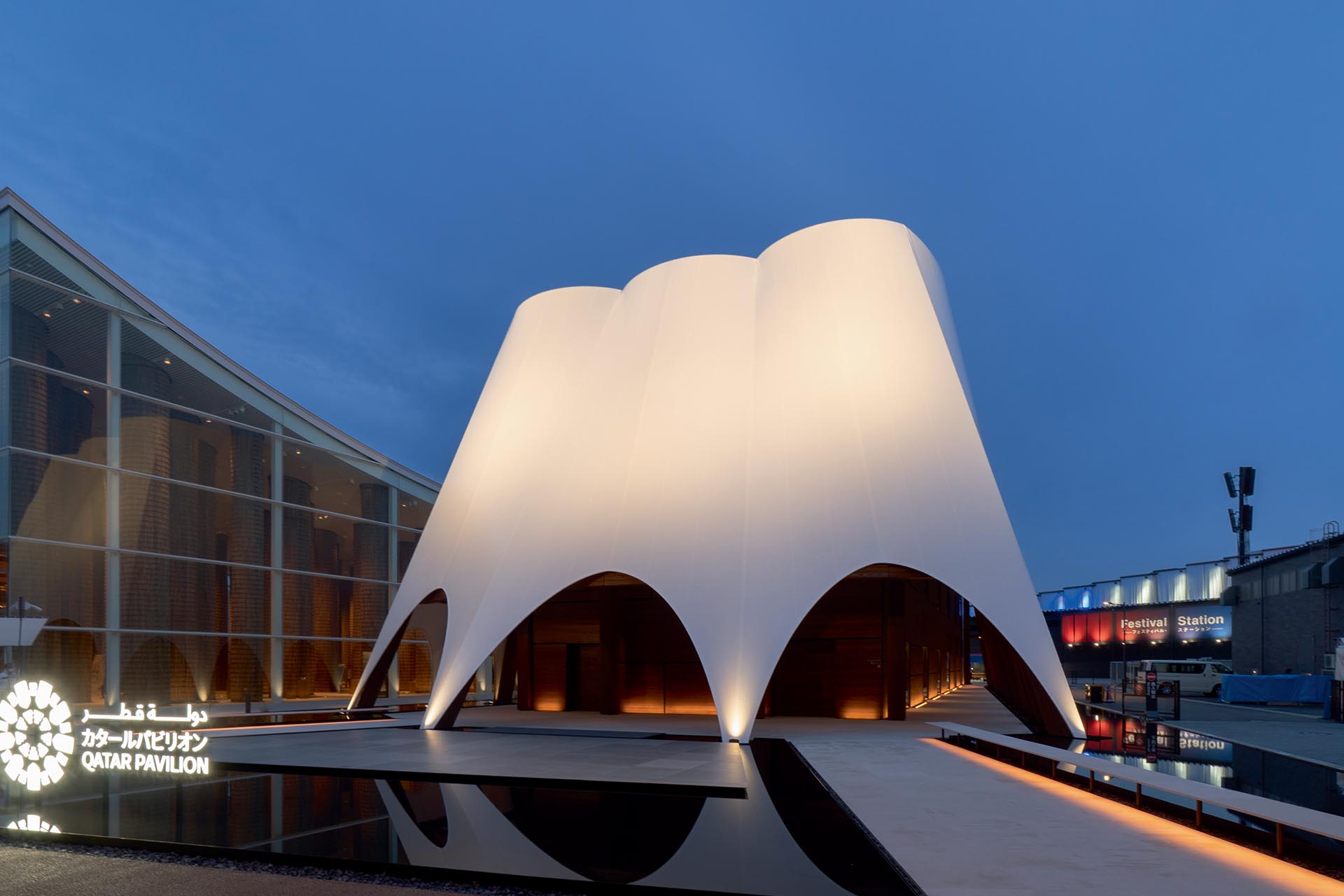
“As the sail membrane is white and smooth, and the façade has a simple, symmetrical shape, it was difficult to adjust the aiming angle and dimming level of multiple fixtures to achieve uniform brightness over the wide front surface of the façade. Since the membrane is sloped back at the top, light from ground level would not reach the top, and LPA concluded that spotlights mounted on eight-metre-high poles would provide sufficient luminance.
“Due to the shape of the site, the position of the light poles is asymmetrical to the pavilion, making it difficult to adjust the spotlight and illuminate the façade evenly. Even if the brightness difference was not noticeable to the naked eye, it would be accentuated through the camera, so each spotlight was individually dimmed to achieve uniform brightness.”
Narrow beam spotlights were used to wash the sides of the façade, to emphasise the shape of the membrane and create the appearance of sails filled with wind. Meanwhile, along the approach corridor, continuous arches are emphasised by uplights with anti-glare louvres. This is complemented further by under-bench lighting, which guides guests towards the entrance.
On entering the pavilion and its exhibition space, the visitor’s eye is immediately drawn to a gradational sand wall, representing Qatar’s desert landscape. The clear, acrylic pipes that hold the sand have both transmissive and reflective effects; this meant that, in order to avoid the reflection of indirect lighting on the pipes, light sources have been adjusted not to directly face this feature. Elsewhere, in the intro corridor, a backlit fabric wall, akin to the colour of sand, creates a soft light environment. Here, LPA ensured that the light source was verified to match the colour temperature of the luminous ceiling of the adjacent shop, visible through the clear acrylic pipe.
In a sharp contrast, the main exhibition room is enveloped by deep blue curtains, creating an “underwater atmosphere”. In the centre, a large, wedge-shaped object features the Qatar coastline in 12 niches, showcasing the country’s culture, ecology, hospitality, and heritage through a curved, backlit panorama panel.
The curtains are designed to represent the rich marine resources of Qatar, with a blue fabric base and shiny materials, such as dove and gold thread, while DALI-controlled dimming spotlights are used to minimise the base, highlighting the Qatar map pattern.
Explaining the lighting journey from the entrance to the exhibit space, LPA adds: “We designed a lighting sequence from a bright, ambient mood near the entrance, to shift to a contrasted, dark mood in the main exhibition room. In the introduction corridor, soft, diffused light through the fabric wall gently illuminates the sand wall, before the entire mood is dimmed down in the exhibition space to focus the visitor’s eyes to the coastline exhibition.”
In the exhibition space, lighting was also installed behind the curtains to match the position of the pigeonholes, while the shimmering light effect, combined with the drapes, gives the space a sense of depth.
Although there are many luminous elements in the space, the floor and the main object are both made of aluminium, with a vibrant finish that reflects light well, so the balance between the brightness of each element was adjusted to prevent the space from becoming too bright.
Indeed, given the luminosity of the materials in the space, a sensitive approach was needed to achieve the best results. The main exhibition space features a dark theatre at its centre, while the graphic on the blue curtain that runs along the entire space needed to stand out. This required very sensitive adjustments to the lighting, so we dimmed the spotlights down to just 5%. The luminous display panels and the reflective aluminium finish on the exhibits and floor helped to cast a gentle light onto the curtain.”
Finally, the VIP room on the second floor is based on the theme of cultural exchange between Qatar and Japan, with objects inspired by “paper” lightly covering the entire ceiling. Here, using a full-scale mockup, LPA decided how to hide the lighting fixtures themselves within the suspended ceiling feature, without shining directly on the ceiling.
“Several scenes were set up according to the intended use: a workshop scene with uniform brightness throughout; a reception scene with low brightness in the centre while emphasising the artwork on the walls. The vitrine box was also specially designed and fitted with bar lights that were custom-made to match the vibrant aluminium finish,” the studio adds.
Reflecting on the experience of illuminating the Qatar Pavilion, LPA says that, although the overall design and construction schedule for the structure was tight, the team approached it as they would any architectural lighting design scheme, from the design itself to the selection of the fixtures.
Within this vibrant Expo site, the Qatar Pavilion stands out for its gentle simplicity, with the lighting bringing a much-needed feeling of calm serenity to its visitors.
LPA concludes: “Many visitors stopped in front of the pavilion to enjoy the photogenic night view. The lighting approach and expressions are simple, yet by carefully considering the space and materials, the lighting design elegantly enhances the charm of the architecture and the space.”

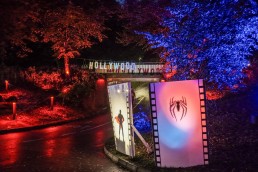
Lights in Alingsås 2025 - Movies in Lights
Lights, camera, action. Walk through Lights in Alingsås with junior journalist, Ellie Walton, as she returns to Sweden to uncover the Movie in Lights edition, as well as speaking to the workshop heads and students of 2025.
Alingsås is a little-known town in Sweden that few people outside the country – or the lighting community – would be familiar with. Yet, when September arrives, the lighting industry’s ears invariably prick up as news of the latest edition of Lights in Alingsås emerges. Last year’s festival marked its 25th anniversary, presenting tales of mythology, monsters, and moral meanings told through light. The milestone edition also introduced a series of community installations, including a window-display competition for local shops and the addition of video mapping, all of which have continued into the 2025 event.
Building on its legacy, this year’s festival’s theme was announced as Movies in Lights. The idea was conceived between the festival’s events manager , Camilla Boström; workshop manager, Frida Almqvist; and Shecko Amoor, communicator, inspired by the moments that make us laugh, cry, and dream. The workshop heads and their teams of young designers then transformed familiar scenes into luminous installations that guide visitors along a 2.5km route and into an immersive world of light.
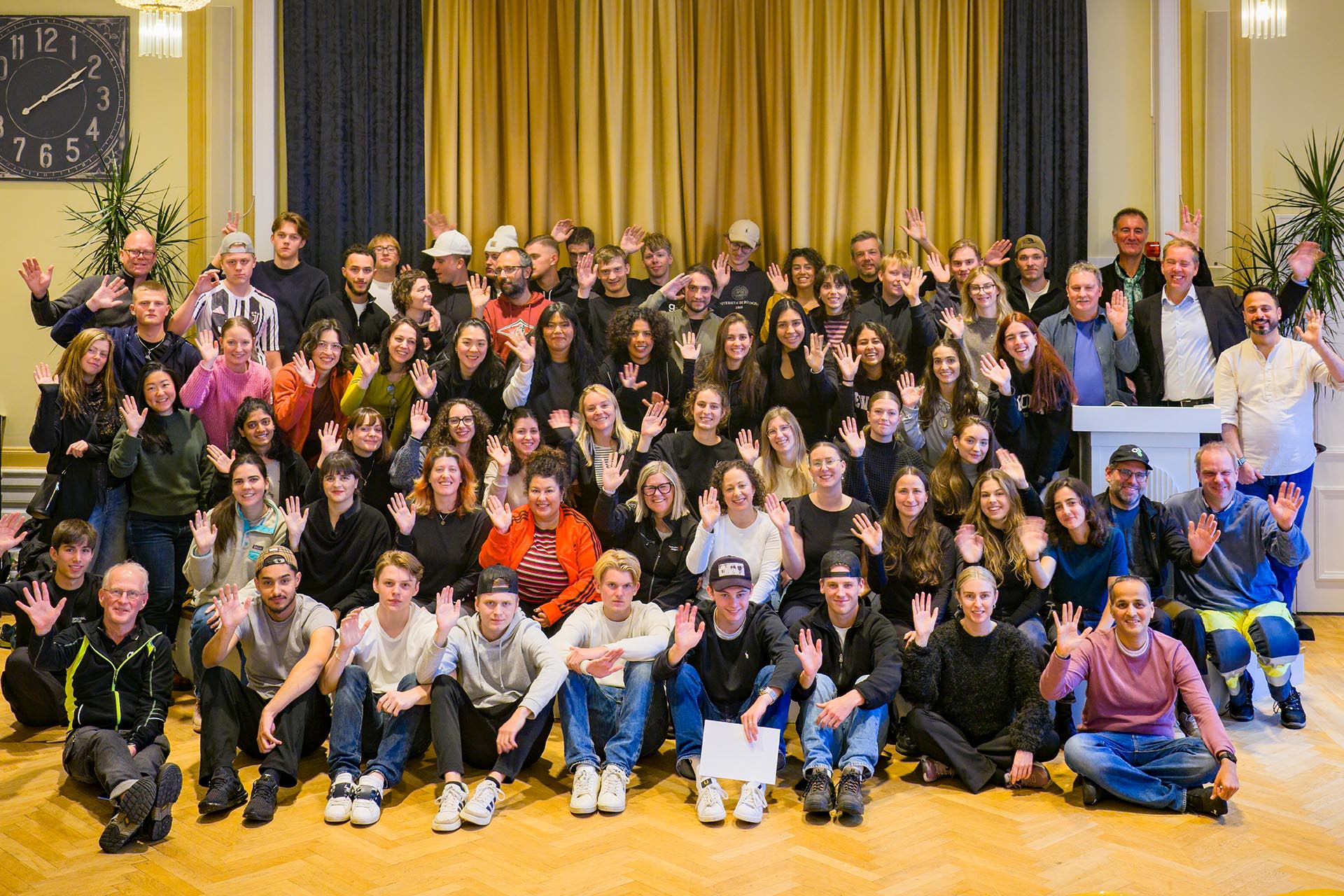
This year’s workshop heads brought together a balance of returning talent and fresh perspectives. Notable newcomers included Phillip Rose of Speirs Major Light Architecture and lighting researcher Amardeep Dugar. Joining them were experienced contributors such as Christina Mordeglia and Sjoerd van Beers of Beersnielsen, along with long-time participant Roberto Corradini, returning for his third year. They were complemented by three former students stepping into leadership roles: Meta Romanens of Hochschule Luzern, Niken Wulandri Sutanto, and Senior Lighting Designer Isabel Villar of White Arkitekter. Together, they have led 40 international students into a whirlwind experience of workshopping, prototyping, constructing, testing, and presenting their site installation.
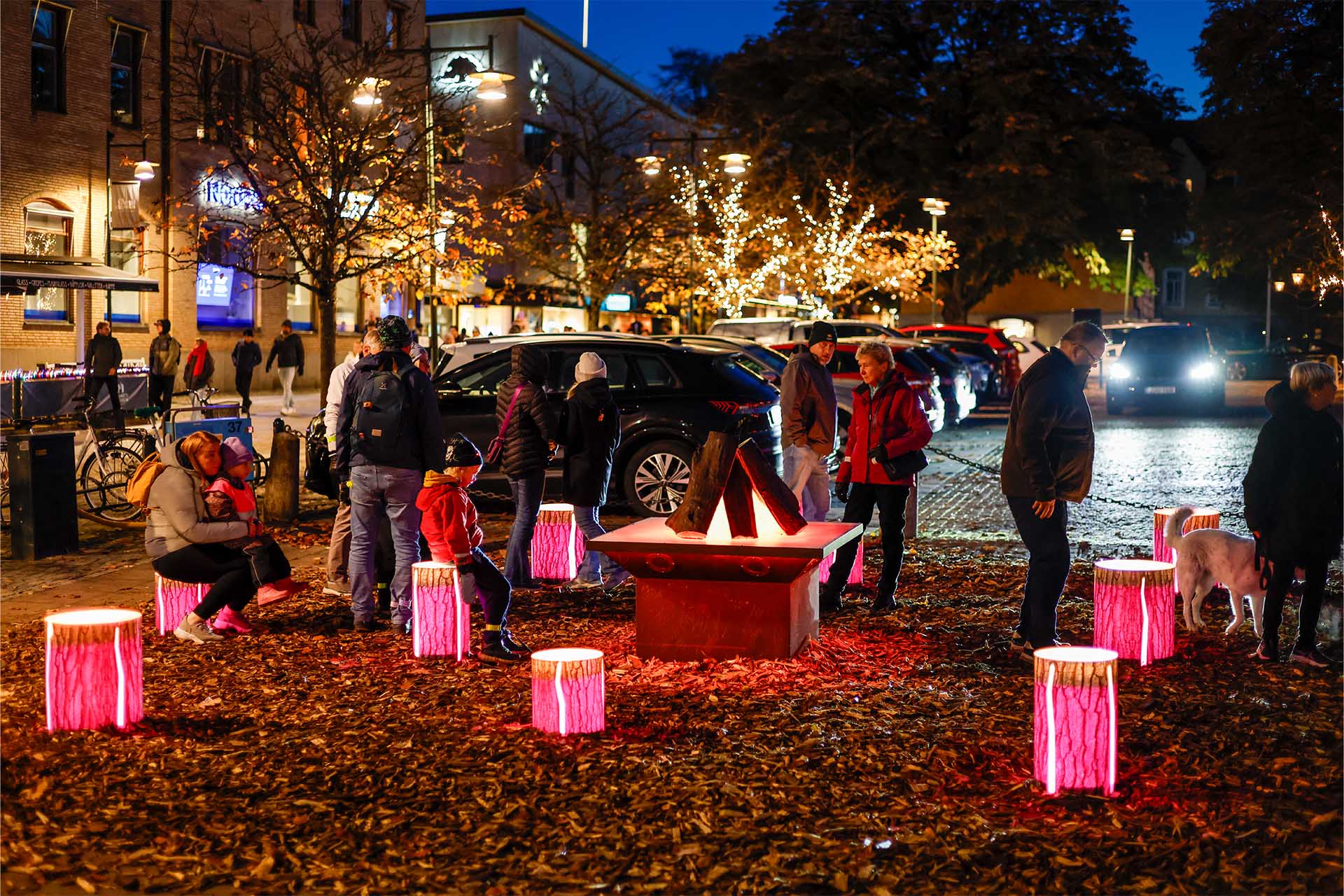
On the night of the opening, the people of Alingsås came out in their droves, wrapped up for a chilly autumn night at the ‘movies’. As visitors set off from Åmanska Parken by the Grand Hotel, the familiar route from Lillån takes on a distinctly cinematic rhythm. Each installation functions almost like a scene change: moments of darkness used as intentional pauses, bright reveals timed with the natural bends in the river or the narrowing of a pathway. The designers’ interpretations of Movies in Lights unfold gradually, with familiar cinematic devices – framing, contrast, colour codes, and controlled movement – guiding the eye as though through a film reel.
Before visitors even reach the first official site, the festival sets its tone with a compact highlight installation that acts as a prelude or a cinematic “cold open” if you will. Positioned just beyond Åmanska Parken, a video mapping installation functions almost like an establishing shot – a brief but deliberate moment that primes visitors for the visual language of the trail. Displayed on the façade of Alingsås Museum, the mapping acts as a blend of motion, light, and geometry into a dynamic sequence that nods to iconic production companies and cult films that the whole family recognises. Further down is the first installation highlighting the ‘Wood Fire’, rented from lighting designer and the festival’s programmer, Bertil Göransson of Luxera, using LEDs to create a wood fire where families and friends can gather around and tell their own stories or take a moment of quality time.
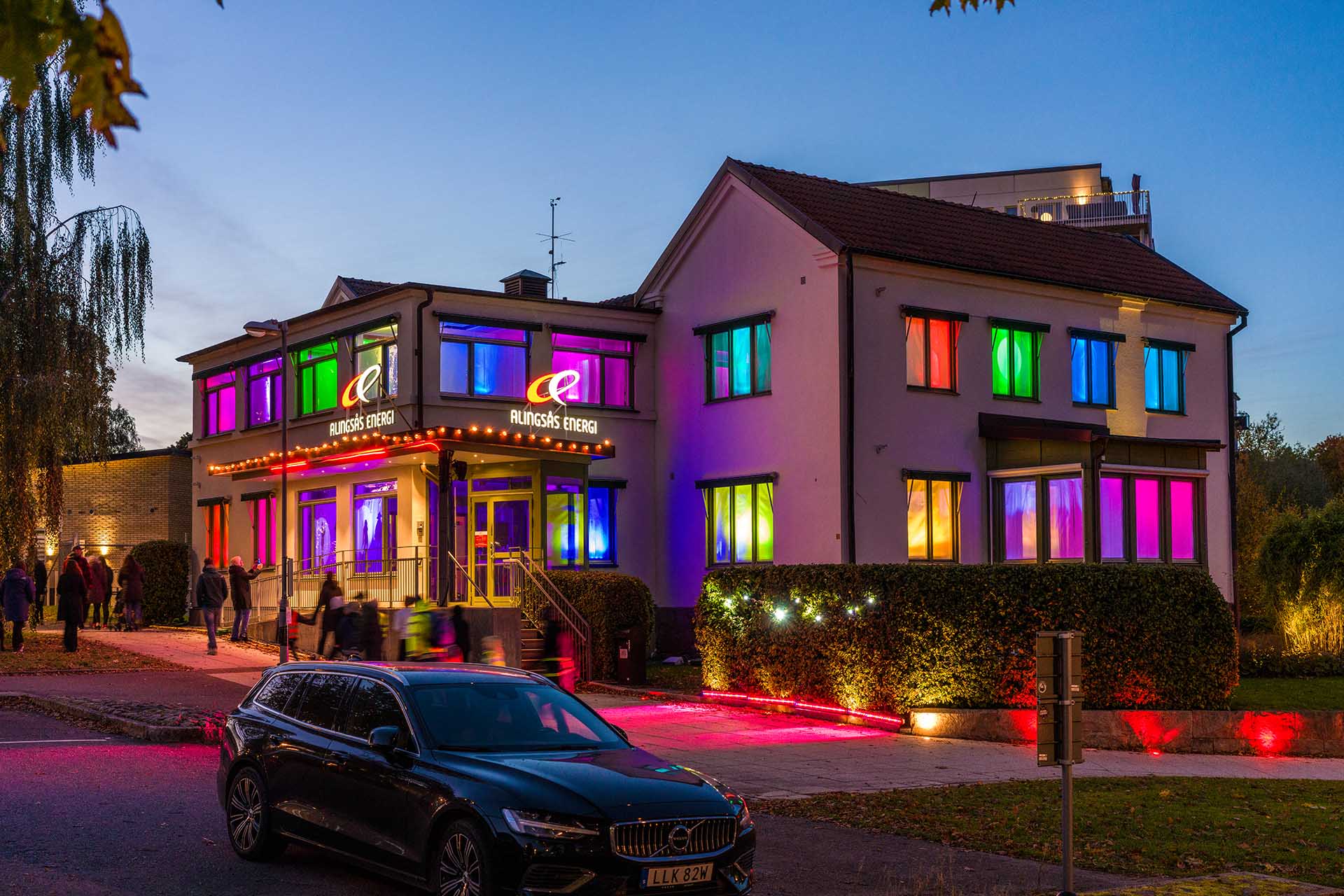
Arriving at site one, the trail shifts from prelude to full narrative as Dugar and his student team transform the Alingsås Energi building temporarily into an old-fashioned cinema. Inspired by vintage theatres and the ritual of stepping into the dark to be transported elsewhere, the group built their concept around the emotional palette of film itself – magic, adrenaline, mystery, nostalgia and, above all, fun.
The building’s grid of windows becomes their “silver screen”, each pane acting as a frame in a larger cinematic sequence. Five films anchor the composition – The Lion King, Kill Bill, James Bond, The Good, the Bad and the Ugly, and the Bollywood film Dhoom 2 – each contributing its own colour world and rhythm. The façade cycles from a slow Serengeti sunrise to sharp, katana-like slashes of light, from western desert tones to Bond-style pulses, before ending in dramatic red. A neon-inspired entrance, complete with a red-carpet wash created through gelled fixtures, sets the mood before visitors even look up. The students spoke of extensive hands-on testing, diffusing light with paper in the windows to achieve their desired softness, and iterating scene by scene to create a cohesive visual story.
Moving through to Udden, passing through the children’s installation (Childrens Lights), which depicts a shadow puppet scene from Jurassic Park. However, the dinosaurs are mechanical monsters in the shape of excavators and cranes. After the excitement and terror, squealing children and their guardians find themselves in a slightly more serene landscape where site two’s magical realist world comes to life.
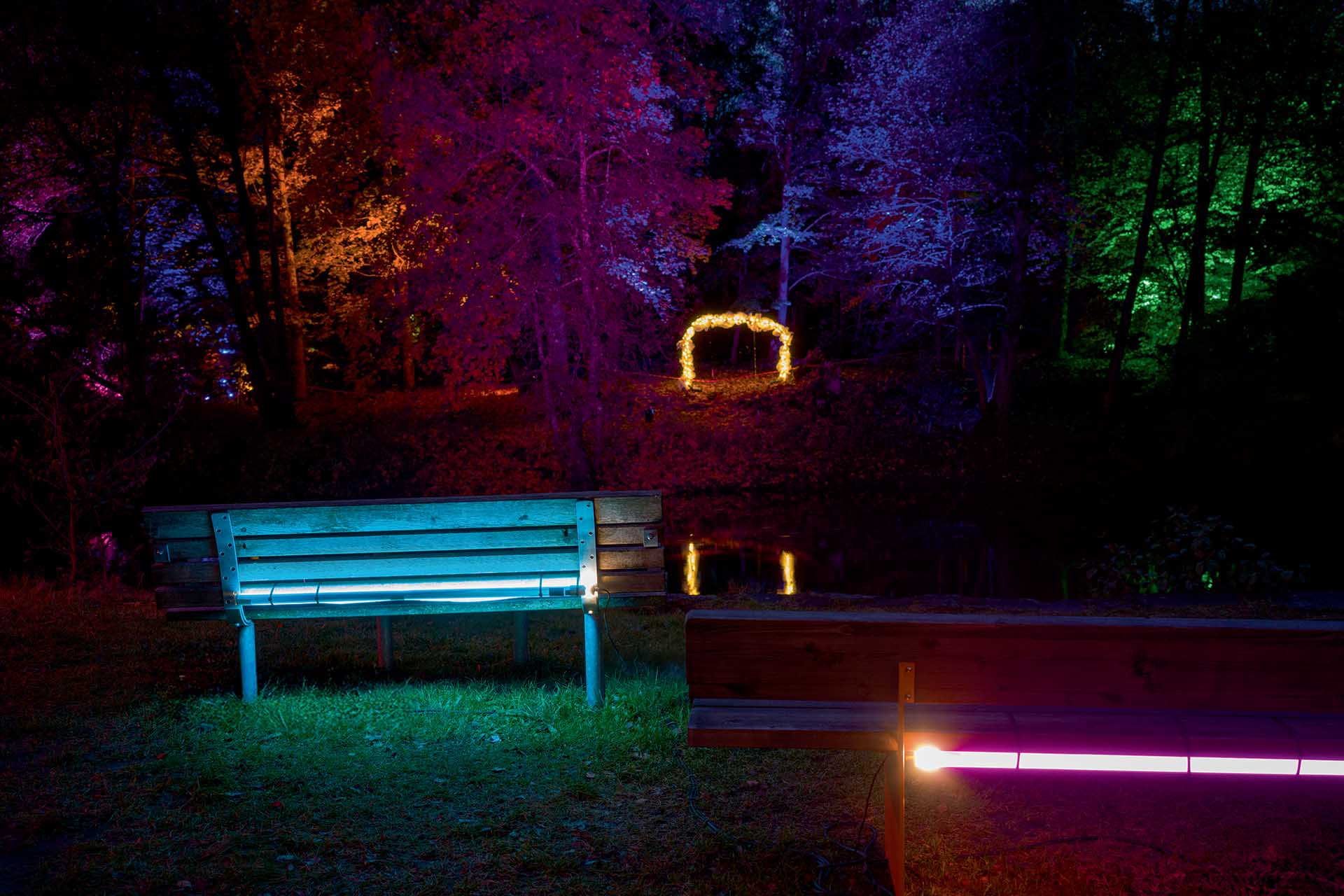
Site two, led by Italian designer Roberto Corradini, is inspired by Dreams by Akira Kurosawa. The film’s interplay between imagination and landscape became the foundation for the team’s design, and the site itself – framed by a coursing river, pockets of woodland, open grass, and park furniture - offered a setting ready-made for the quiet, uncanny atmosphere in which they hoped to evoke the idea of an “enchanted stroll”.
The installation was equally rooted in Corradini’s approach to mentorship. Corradini placed huge importance on fostering a family-like working environment; he encouraged the students to “just use your imagination”, with small nudges towards exploring soft, almost watercolour-like lighting gestures reminiscent of traditional analogue techniques. The result was an installation that blended technical experimentation with poetic restraint, creating a drifting, contemplative sequence of scenes that felt as if they might have been lifted straight from Kurosawa’s dreamworld.
Moving along the trail, passing apartment windows emitting a warm, cosy glow from the lamps added to combat the darkness during the cold season. Once arriving at site three, where the installation is themed on the TV show Stranger Things, focusing on its 1980s science-fiction and horror aesthetic. The core design concept was to represent the show's Upside Down, a dark parallel universe world, using a distinct red and blue colour palette, and programmed lighting sequences to create a moody, mysterious, and spooky atmosphere.
The site’s hilly terrain became the key source of inspiration, returning workshop head, Sjoerd Van Beers and Cristina Mordeglia, of the season four soundtrack Running Up That Hill by Kate Bush. The installation was designed as a "stage" to be viewed from a distance, leveraging the site's natural depth rather than creating an immersive walk-through experience.
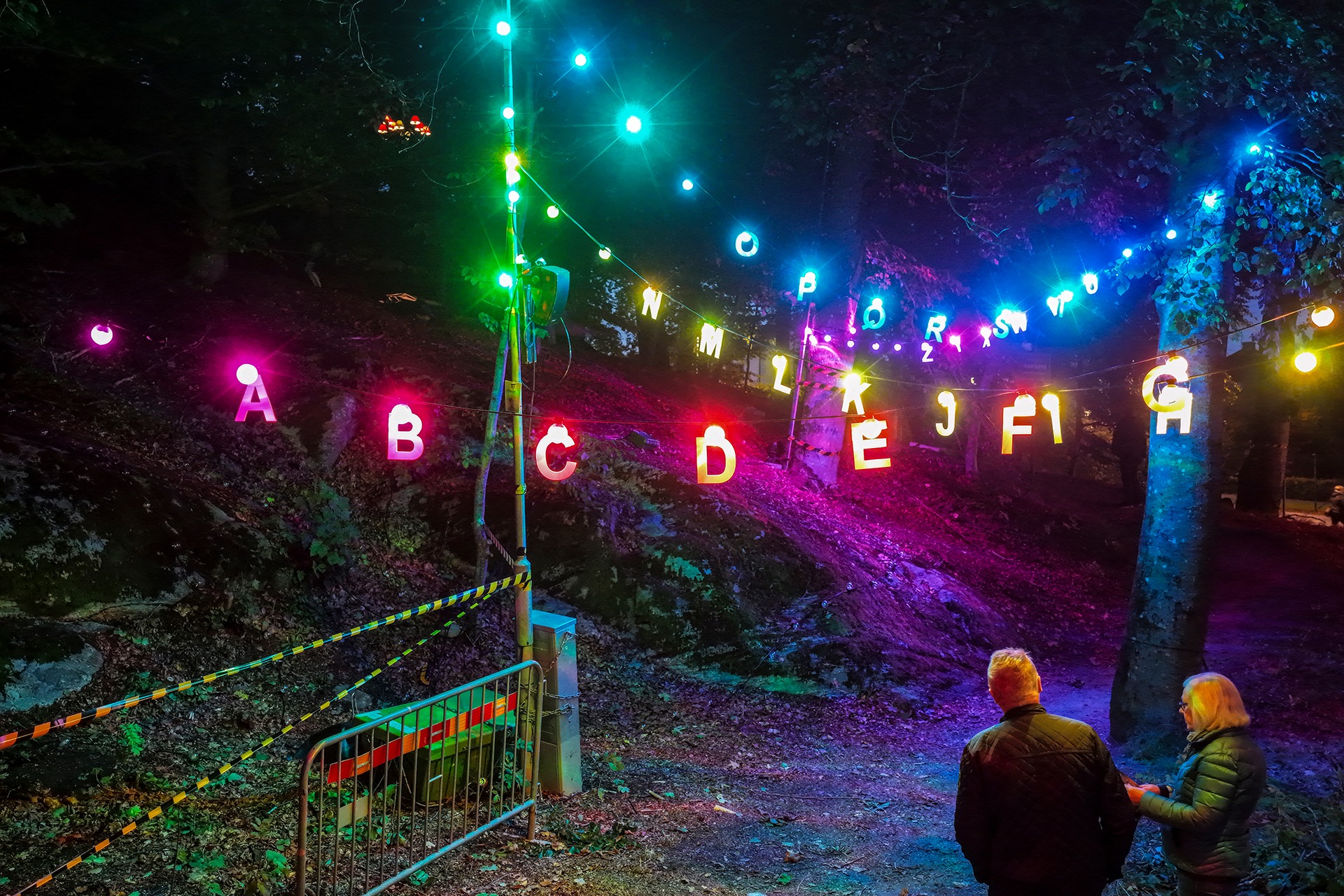
Key elements from the show were recreated, including a chandelier and an alphabet wall used for communication via lights, monsters like the Mind Flayer and the Demogorgon built from cardboard and mesh, and props like abandoned bicycles. Despite being the beating heart of the installation, the steep hill caused significant logistical challenges, which made cabling, positioning fixtures, and using equipment like a sky lift very difficult. However, through creative problem-solving and dedication, such as using a moving head light in a custom-built protective cage and integrating existing streetlights into their design with colour filters. In turn, the team created a masterpiece lightshow, cohesively timed with the angelic howls of Bush’s vocals.
A Dialogue in Lights (site four) took its cue from Dead Poets Society, adopting the film’s reverence for poetry as a springboard for a quiet, metaphorical narrative told entirely through light. Led by lighting designer Isabel Villar, the team developed a three-act structure centred on two entities attempting to communicate across the site’s narrow stream, with the final moment of connection enacted on the bridge that visitors themselves stood upon. Their process was notably thorough, with early site visits shaping their understanding of the landscape’s natural “pages”. Collaborative brainstorming between the team crystallised the idea of two sides calling out across water; and mood boards anchored their autumnal palette and soft-focus composition. On-site experimentation followed, with reflections in the water and the surrounding trees becoming integral to how each so-called “entity” expressed itself. Technical challenges, mostly cabling and DMX logistics, were handled collectively, contributing to the lively, late-night camaraderie the group recalled with evident fondness.
"Despite the late nights and long hours, we actually just had a lot of delirious fun while we were there at all hours. We learned a lot from each other in the process,” James McGowan, site four student from Ireland.
In their presentations, they explained that they ultimately resisted tying the story to a single meaning. Instead, the installation opened and closed like a book, inviting visitors to interpret the exchange for themselves, an approach consistent with the team’s belief that poetic light works best when it leaves space for the imagination.
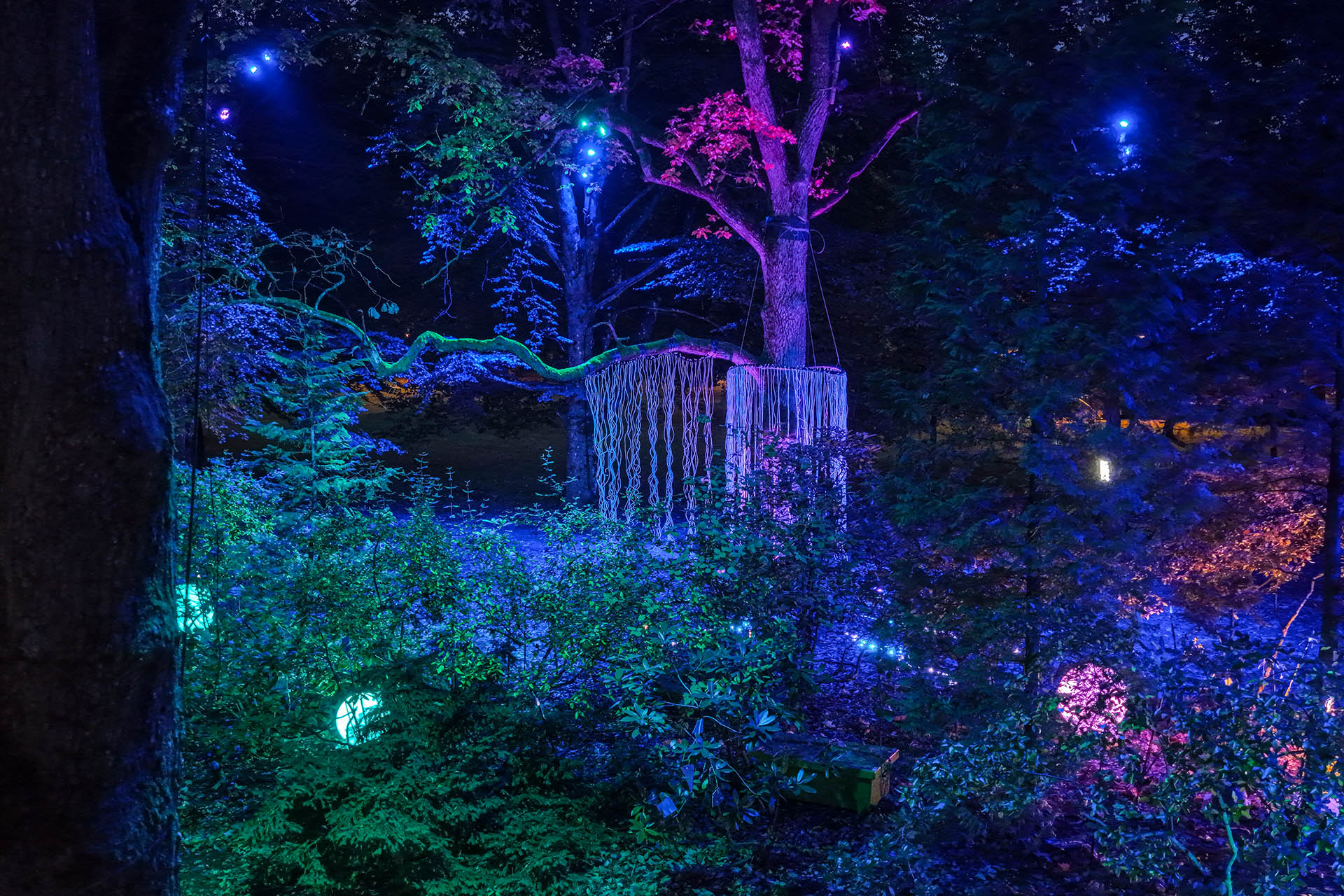
Phillip Roses’ team, site five, transported the visitors into a vivid bioluminescent world inspired by the film Avatar. The team set out to create an installation on the world Pandora, one that felt “alive” and “breathing”. This was achieved through dynamic lighting movements, shifting shadows cast from high trees, and a series of handmade features, including delicate flying seeds and glowing fireflies. At the heart of the installation stood the “Tree of Life”, an intricately woven structure requiring nearly a kilometre of thread, an emblem of both the project’s ambition and its intensely hands-on nature.
"Why Avatar? Well, they wouldn’t let me do E.T. because they wouldn’t give me a giant spaceship. Then I suggested Lord of the Rings, but they wouldn’t let me disappear off to Lothlórien in the forest or build all the houses up in the trees – apparently that was too much work”, laughs Rose. “So, I started looking at other forest-based ideas, and because some of the earlier concepts were quite heavy on white light, I became interested in doing something much more colourful. Those rich blues and magentas you see at night are so vivid, and I thought that could be really interesting to explore."
The installation demanded formidable physical effort. It took long hours using sky lifts, crawling deep into dense bushes to secure fifty lights, and negotiating a site that was as demanding as it was beautiful. Yet, the team spoke warmly of the process and were pleased to trust Rose with their experience.
“I've seen Philip's work before, so what initially drew me to this site was wanting to work with him. That was part of the reason, but I also really liked the team, and the site is fantastic because it’s the only site people can walk through and get close to,” says Deepa Mohare, who studies at the University College of London.
After walking through the town centre and admiring the local window display competition, the final stop on the tour arrived at site six, by the river, close to our starting point. This site was led by Meta Romanens and Niken Wulandri, who took a different approach to the site pitch.
“From the start, we knew we didn’t want to limit the students by choosing specific films for them. We wanted them to explore both the concept and any film they might eventually select. Because of that, we always felt as though we were a step behind the other groups, since we didn’t have a film to present early on. But the students handled it very well and progressed quickly. In the end, our site has a Star Wars theme, which I’m personally very pleased about,” says Romanens.
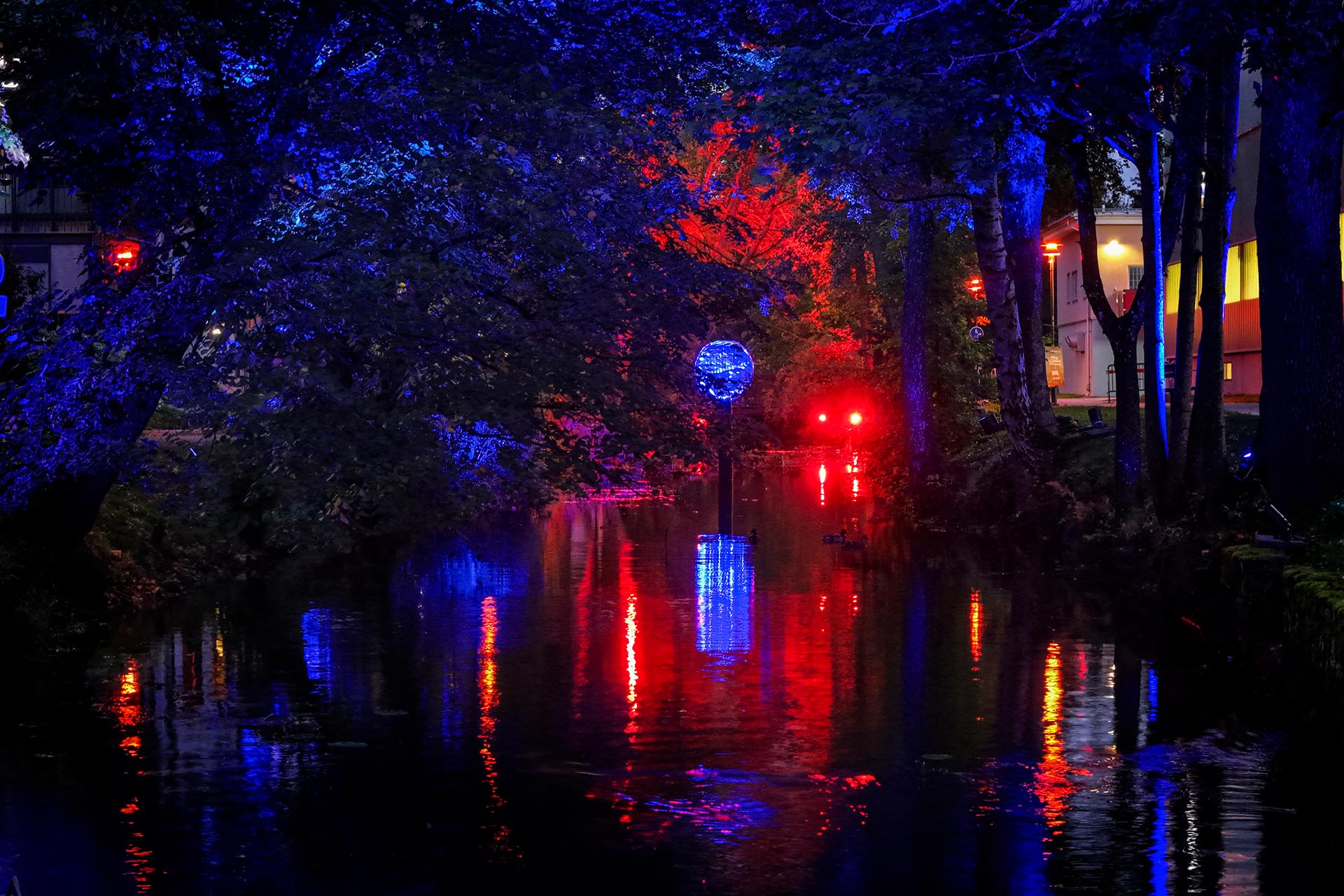
Titled Your Side, the installation explored the themes of dichotomy and good vs evil. Drawing on the natural duality of their site – two distinct riverbanks linked by bridges – they used blue light to represent the “good” side and red light to signify the “evil” side. At the centre of the installation stood a reflective structure, stretched across the river to symbolise the twin suns of Tatooine. This served as both a symbolic meeting point and a visual device, creating striking reflections on the water. Witnessing the installation in person truly emphasised the ambitious work created in just a week, framing it as a "yin and yang" experience, exploring the coexistence of opposites.
As the final glow of site six fades back into darkness and the trail loops once again towards the town centre, it becomes clear that this year’s Lights in Alingsås was not simply a celebration of cinema, but a celebration of how talented designers can bring stories to life. Together, they managed to create world-building, emotion, colour, language, symbolism, all translated through the medium of light. It was the student and the mentorship of their workshop heads who stitched these ideas together in a tireless commitment and sense of play to lighting design.
Commenting on the success of the whole light festival, event manager Camilla Bostöm concludes: “Over 70.000 people visited us this year, and many visitors have reached out to us and said that this was the best edition ever, with the theme Movies in Lights. The theme was personal and easy to connect to. The whole town, with the window-shopping competition, was involved in the theme. We are very happy for all participants and workshop heads as well as sponsors, and partners who made this edition possible with persistence, strength, joy and teamwork.”
Client: Alingsås Energi
Lighting Specified: Colorkinetiks, EWO, Fergin, Formenta, Gantom, iGuzzini, LedFLex, Martin, Meyer, Stockholm Lighting ,181, Annell BeersNielsen, Flux, Fox belsyning, Griven, iGuzzini Netherlands, Industire Licht, Jönköping Tekniska Högskola, KP Skylt, Louis Poulsen, Lumenpulse, LedLab, Lumenradio, MK Illumination, MaxiLed, Philip Hue, Signify, Wireless Solution, Zero, Zumtobel
Photography: Patrik Gunnar Helin
Deadline extended for the 2025 [d]arc awards
(Global) – Architectural lighting designers, architects, light artists, and product designers now have extra time to submit their most innovative work to the 2025 [d]arc awards, with the deadline officially extended to 30 January.
Recognised globally as one of the most comprehensive and inclusive awards in architectural and creative lighting, the [d]arc awards celebrate excellence across a wide spectrum of project and product categories. This year’s programme once again welcomes submissions from professionals working across the built environment and the lighting design sector, with a strong focus on both artistic expression and technical achievement.
Project Categories
Professionals can enter across the following scheme-focused categories, each split into Low Budget and High Budget distinctions, except where noted:
Exterior – Low Budget / High Budget
Open to all exterior architectural lighting schemes involving structures such as building façades, monuments, sports stadia, bridges, and more. Both architectural and decorative luminaires are permitted.
-
Low Budget: total luminaire value under £30,000
-
High Budget: total luminaire value over £30,000
Interior – Low Budget / High Budget
Recognising indoor lighting schemes across commercial, retail, residential, and hospitality environments. Architectural and decorative luminaires are eligible.
-
Low Budget: total luminaire value under £30,000
-
High Budget: total luminaire value over £30,000
Places – Low Budget / High Budget
Celebrating urban and rural landscape lighting schemes covering parks, plazas, streets, and other public or private external areas.
-
Low Budget: total luminaire value under £30,000
-
High Budget: total luminaire value over £30,000
Art Installations – Low Budget / High Budget
Open to permanent or temporary art installations where light is the primary medium. This includes festival installations, experiential works, and guerrilla lighting events.
-
Low Budget: total luminaire value under £30,000
-
High Budget: total luminaire value over £30,000
Bespoke
A category dedicated to custom sculptural lighting installations, with no budget criteria. Entries are judged on originality, craftsmanship, and conceptual strength.
Event
For temporary events or collections of installations where light is central to the experience. Open to event organisers only. No Low or High Budget distinction applies.
Product Categories – Exterior / Interior / Technology / Decorative
Product designers and manufacturers are invited to submit outstanding luminaires and lighting technologies across four dedicated categories:
-
Exterior architectural lighting products
-
Interior architectural lighting products
-
Light sources, control systems, gear, and digital/light-based technologies
Once submissions close, an international jury of leading practitioners will shortlist entries. The global design community will then cast votes to determine the winners, who will be celebrated at the iconic [d]arc awards ceremony in London — complete with a free bar, food vendors, and the legendary late-night party.
All entrants benefit from increased industry visibility, with every project or product featured on the [d]arc awards website. Shortlisted entrants also receive lifetime complimentary listing in the [d]arc awards directory.
With the deadline now extended, there’s still time to shine a spotlight on your best work. Submit your entries at www.darcawards.com/enter
**
With thanks to this year’s sponsors: OneEightyOne, David Village Lighting (Artemide), DRK Lighting, ERCO, formalighting, Signify, DALI Alliance, Pharos Architectural Controls Ltd, Nicolaudie Architectural Control, Huda Lighting, LiGHT 26, LEDFlex Group, LED Linear, Lucent Lighting Ltd, Vivalyte (together with their UK distributor Nox Obscura), and awards manufacturer, Applelec.
And a big thanks to our lighting design partners this year: Arup, Buro Happold, dpa lighting consultants, Foster + Partners, Foundry London, Nulty+

Nulty X Cabbie Karen - The ‘Nulty or Nice’ Christmas Light Tour
On a rainy London evening, when the Thames shimmered like a ribbon of silver silk and the city hummed with the quiet promise of Christmas, a curious little tale began to unfold. Three Nulty lighting designers hear the faint jingle of sleigh bells mingling with the rumble of a black cab. Discover Nulty’s journey through the city’s most magical illuminations in search of what truly gives Christmas lights their sparkle.
This year, Nulty brought a fresh twist to London’s festive season with an alternative take on the traditional Christmas lights tour, hosted by Wakem PR in collaboration with arc magazine. Nulty’s creative director Dan Blaker and fellow lighting designers Tiziana Regalado and Tom Hall set out to experience the capital’s most celebrated illuminations, while being chauffeured and narrated by the wonderfully whimsical internet (or Instagram?) sensation, Cabbie Karen.
Between the essential debates – “Mariah [Carey] or Michael [Bublè]?” and “Mince pie or panettone?” – (for the record, All I Want for Christmas and panettone emerged victorious), the designers offered informed insights into what makes Christmas lighting not just magical, but technically compelling.
As the team left Nulty’s studio, Karen eased the cab across Westminster Bridge, skirting the base of Big Ben before sweeping along the Embankment toward Waterloo Bridge, travelling via London’s most iconic seasonal displays. From the high-shine glamour of Bond Street to the animated installations on Piccadilly, and the spectacular schemes along Oxford Street. The group braved a decidedly unfestive downpour to explore the city’s brightest moments. While the tour promised light-hearted festive cheer, the trio’s extensive industry expertise naturally elevated the conversation.
With the city beginning to glow with its evening rhythm, the designers were asked which lighting techniques and colour temperatures best capture the spirit of Christmas.“Warm ambers,” offers Hall.
“Around 2200K gives the perfect festive warmth,” adds Blaker. Hall elaborates that a crisp, cool white can also elevate decorative lighting, which is ideal for adding those really sharp sparkles.
Passing by The Savoy, Cabbie Karen drove along the Strand, where the street’s signature seasonal displays immediately sparked excitement – and debate. All year long, we navigate after-dark lighting, but what distinguishes Christmas lighting from standard exterior schemes? Without hesitation came three answers: “flamboyance, grandeur, and kitsch!”.
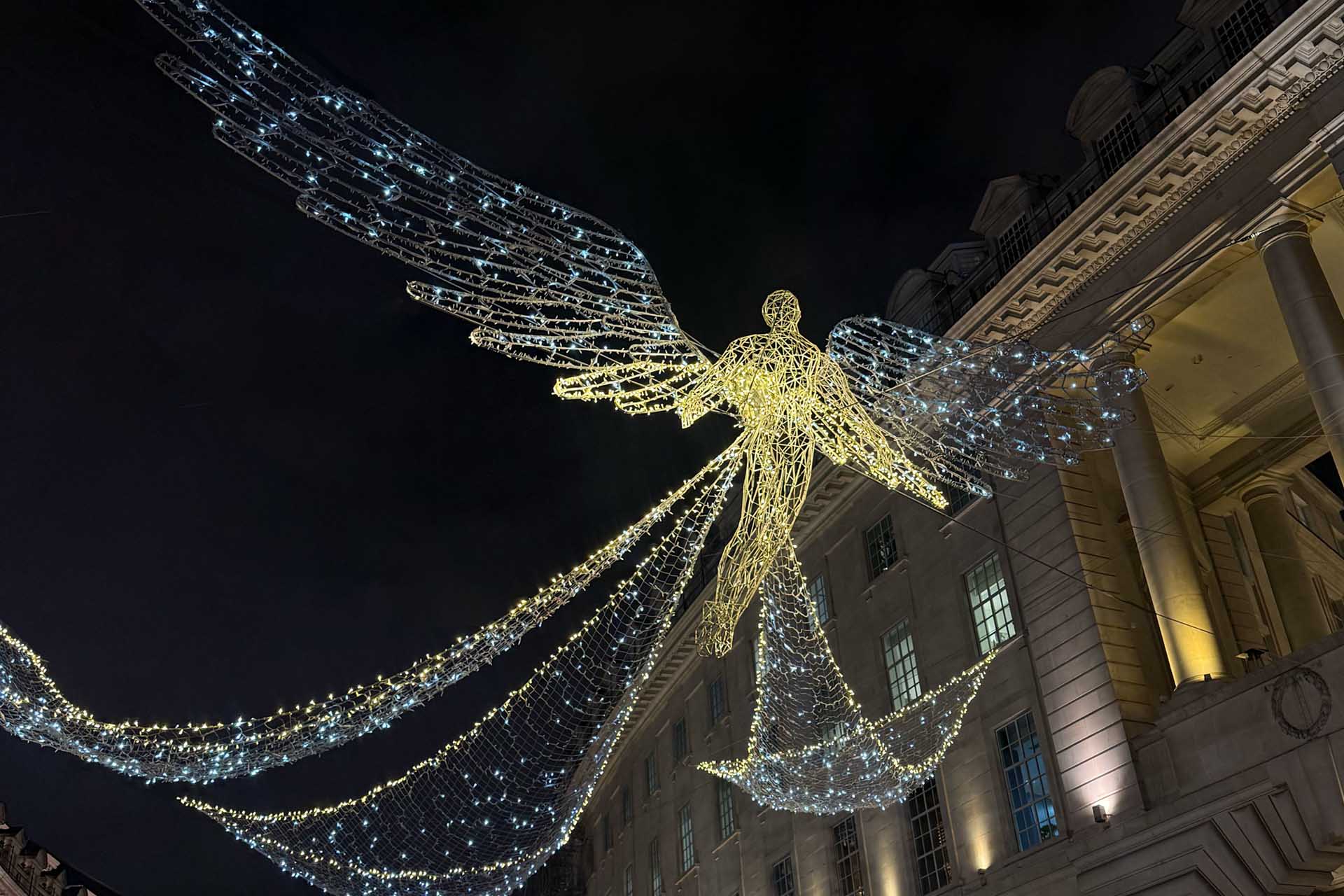
Heading toward Pall Mall with the glow of the Trafalgar Square Christmas market slowly fading in the distance, Hall explains his preference for warm colour temperatures and smaller light sources to avoid any sense of harshness: “Festive lighting should be low-level, with more darkness, more warmth, and more intimacy”. Regalado adds that integrating light around reflective surfaces creates the kind of sparkle that instantly signals celebration. To which Blaker agreed, noting that these techniques bring a welcome injection of drama and intimacy at this time of year.
Panettone in hand, the gang paused beside the Pall Mall Christmas tree. As the relentless rain continued to pour, everyone took refuge beneath its branches and the drenched designers were asked which colour of lights they tend to use on their Christmas tree – warm white, pure white or multicoloured? The verdict was unanimous… warm white!
A few mulled wines later, framed against the saturated glow of Winter Wonderland at Marble Arch, the trio faced another challenge: if they couldn’t use red, green or gold, what would be the colour of Christmas?
“Purple,” says Blaker, before breaking into a brief rendition of ‘Party Like It’s 1991’.
“A warm deep yellow,” Tom counters. “Close to gold, yes, but far more inviting.”
“Pink,” offers Regalado. “For its warmth, plus it has a dynamic and cheerful radiance”.
The designers then stepped out from under Marble Arch to wander beneath Oxford Street’s criss-crossed canopy of lights, where they discussed how Christmas lights make them feel:
“Cosy and homely,” says Hall.
“Nostalgic – a reminder of good times,” adds Regalado.
“Excited,” says Dan. “It’s like being a kid again.”
Cabbie Karen then guided the Nulty crew down Oxford Street towards Selfridges, where they stopped to admire both the lighting scheme and the window displays that both Cabbie Karen and the team singled out for praise.
Outside Selfridges, Blaker complimented the downpour, noting: “Even in this relentless rain, the atmosphere only gets better, as every light doubles itself in the puddles and across the wet surfaces. It’s like the whole street is sparkling twice”.
For the final question of the evening, it was Cabbie Karen’s turn. She was asked whether she considered herself Nulty or Nice. Without missing a beat, she beamed and declared: “Nulty!”
Watch the joyful trip reviewing London’s festive lights and meet #CabbieKaren in the video below.
https://vimeo.com/1145678681?share=copy&fl=sv&fe=ci
Recolight appoints new Board of Directors
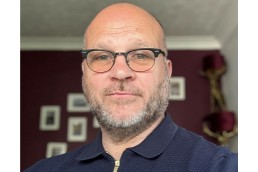
(UK) - Recolight announce the appointment of a new director, Cameron Wilson. Wilson has been with Signify for over 25 years and is the Customer Resolution Manager for UK and Ireland.
On joining Recolight, Wilson says: “I’m delighted to join the Recolight Board, taking over from my colleague Steve Meadows. I’m a champion of Recolight’s Circular Economy activity, and all they do to raise the profile of the need for action on sustainability in the lighting industry. I really look forward to getting to know and supporting the Recolight team.”
In announcing the news, Recolight Chief Executive, Nigel Harvey says: “We are delighted that [Wilson] has joined our board. I know we will benefit from the breadth of his experience and knowledge of our industry. Recolight continue to expand the range of services we offer to meet the changing needs of our Producer Members, and Cameron’s insight will help to shape our future direction.”
Cameron joins as a non-Executive Director representing Recolight’s founding members, along with board chair Andreas Adam, Senior Director at LEDVANCE, Andrew Clark, Financial Controller at Feilo Sylvania UK, and Steven Reed, Commercial Manager at Trilux.
Recolight recently celebrated twenty years since it was founded and has a record 227 producer members of the Recolight WEEE scheme.
Casambi announces leadership transition
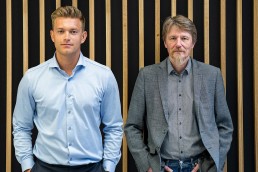
(Finland) – Casambi announced a significant leadership change as the company adopts a dual CEO model. Kristian Jenkins and Timo Pakkala will assume the roles of Co-Chief Executive Officers. Jenkins will focus on sales and operations, while Pakkala, one of Casambi’s founders, will lead technology.
This new leadership structure aims to reflect Casambi’s commitment to agility and strategic depth. By combining Jenkins’s operational expertise with Pakkala's visionary technological leadership, Casambi aims to accelerate global expansion.
The company also announced that Mark McClear, who has served as CEO since 2023, will step down by mutual agreement. During his tenure, McClear played a pivotal role in Casambi’s success, driving significant growth and strengthening global customer relationships.
Kay Pawlik, Chair of the Board says: “On behalf of the entire board, I want to express our heartfelt gratitude to McClear. His dedication, tireless efforts, and leadership have been instrumental in Casambi’s journey over the past two years. We wish him happiness and success in this new chapter of life.”
Jenkins joined Casambi in early 2019 and has since contributed to the company’s international growth through a series of key roles. From 2020 to 2023, he focused on developing sales and expanding regional partnerships in Benelux and the Middle East, strengthening Casambi’s presence in these markets.
In 2023, whilst completing his Executive MBA, Jenkins relocated to Singapore to support the opening of Casambi’s APAC office as Business Development Lead and a member of the regional management team. Since April 2024, he has led Casambi’s Indian expansion as Country Manager, delivering excellent results and building strong foundations for future growth.
Kristian Jenkins, Co-CEO says: “I’m honoured to take on this role alongside Pakkala. Our dual leadership approach ensures we can stay close to our customers while continuing to innovate at the core of our technology. Together, we aim to strengthen Casambi’s position as the global leader in smart lighting control.”
Timo Pakkala, Co-CEO, adds: “Casambi was founded on the idea of challenging the status quo. This new model reflects that spirit. Jenkins and I share a clear vision for the future, and we’re excited to lead Casambi into its next chapter of growth and technological excellence.”
Architect Frank Gehry dies aged 96
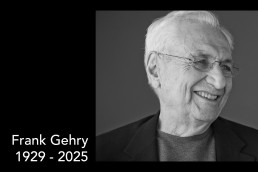
(USA) - One of the most influential architects of our time, Frank Gehry passed away on 5 December aged 96 after a course of respiratory illness.
His death was confirmed by his chief of staff Meaghan Lloyd. He is survived by two daughters from his first marriage, Leslie and Brina, as well as his wife, Berta Isabel Aguilera, and their two sons, Alejandro and Samuel.
Born in Toronto in 1929, Gehry moved to Los Angeles as a teenager to study architecture at the University of Southern California, before completing further study at the Harvard Graduate School of Design in 1956 and 1957.
After starting his own firm, Gehry & Associates, in Los Angeles in 1962, he began exploring unconventional architectural principles, stepping away from the traditional approaches of symmetry. Instead, he used irregular geometric shapes and unfinished materials in a style now known as deconstructivism.
Befriending a number of artists throughout the 70s and 80s gave Gehry the confidence to keep exploring new angles within architecture, despite the lack of enthusiasm from the people of LA.
A series of postmodern metaphors dominated his work of the middle 1980s: the California Aerospace Museum (1984) announced its use with a Lockheed F104 Starfighter hovering over a giant door; a restaurant, Rebecca’s, in Venice, California (1986), dramatised a night out with giant trees, an octopus, alligator and several fish hanging about its interior. Significantly, the overlarge animals and fish were explored multiple times across different media influencing his work for the coming decades.
It was at this point that his architecture began gaining international accolade. In 1989 he received the Pritzker prize, the so-called Nobel of architecture, and in 1992 the Japanese Imperiale award in architecture. Later, he held academic appointments at Harvard and received the Harvard arts medal in 2016. In 2000 he received the RIBA gold medal, and in 2016, from the US president, Barack Obama, the presidential medal of freedom.
Some claim his first breakthrough was a small furniture museum for Vitra held in Weil am Rhein in Germany in 1989. Following this he completed a series of projects, notably a fish sculpture in Barcelona in 1992 and a large mansion for Peter Lewis, an influential insurance man, in Cleveland Ohio. The $82 million Lewis House unfortunately was never built. However, it did allow Gehry the opportunity to flex his creativity, producing designs with wiggly glass, fabric-like roofs, horse-headed rooms and abstract fish.
His style was very divisive, some claiming him to have gone mad, while other religious bodies delighted at his symbolism of fish. The Lewis House project, which lasted 11-years before it was cancelled, provided Gehry’s studio with a $6 million revenue in fees. This funded the studio’s development of Catia; a software programme that aided in 3D interactive application, which was initially intended for the development of aircraft design. This software enabled Gehry to create his complex forms that could be linked directly with the manufacturing process. At the time, this was a breakthrough for the building industry and spawned a separate branch of the studio, Gehry Technologies, which was later sold to tech giant, Trimble.
His first digital experimentation with Catia was the design for the Guggenheim in Bilbao in 1991, arguably one of his most-recognised projects to date. The building was a culmination of abstract fish curves in jarring forms, much like the Lewis House, and created using what would become his hallmark material, titanium.
In subsequent years, large commission came rolling in and the creation of numerous buildings began popping up around the world. Notably, the 76-storey skyscraper in Manhattan branded New York by Gehry, university buildings across Massachusetts and Cincinnati, the Museum of Pop Culture in Seattle, Washington, a building for Sydney’s University of Technology, a gallery for the Foundation Louis Vuitton in Paris, the Jay Pritzker Pavilion in Chicago's Millennium Park, the Gehry Tower in Germany, and an apartment complex close to Battersea Power Station in London.
Gehry’s celebrity status continued to grow into a household name, even awarding him an appearance in an episode of The Simpsons.
Paul Goldberger, author of Building Art: The Life and Work of Frank Gehry, came to know Gehry closely, and said he wanted to work "until the day he died".
"He was one of the very few architects of our time to engage people emotionally," Goldberger told BBC Radio 4's The World Tonight. "He was all about pushing the envelope... wanting to use the most advanced technology to do the most adventurous things."
In a statement, Canadian Prime Minister Mark Carney extended his "deepest condolences" to Gehry's family and the "many admirers of his work. His unmistakable vision lives on in iconic buildings around the world."
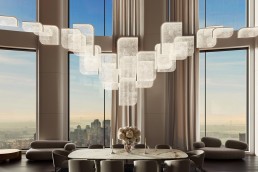
Preciosa - Drifting Lights
(Czech Republic) - Preciosa Lighting has announced Drifting Lights, a new addition to its Signature Designs portfolio. The Czech lighting manufacturer, known for its contemporary interpretations of Bohemian glassmaking, will debut the design at Downtown Dubai Design 2025.
Drifting Lights centres on fused glass panels that incorporate naturally formed air bubbles created during the glass fusion process. These pockets influence the passage of light through each panel, producing subtle visual effects. The panels are framed in stainless steel and can be illuminated with static or dynamic lighting.
Ten panel sizes are available, with the option to install them horizontally or vertically to create varied compositions. Additional artistic treatments can be specified, including the Fused Veil pattern - offered in Vortex or Diagonal variations—or a pigment technique applied between fused layers to introduce colour within the glass.
Lighting is delivered via concealed LED strips that inject illumination into the edges of each panel. According to Preciosa, the integration of RGBW technology and 3D spatial mapping enables designers to programme dynamic lighting scenes across installations.
Drifting Lights joins Preciosa’s Signature Designs collection, a group of customisable lighting systems that can be adapted in scale, colour, materials and illumination methods to suit project requirements.
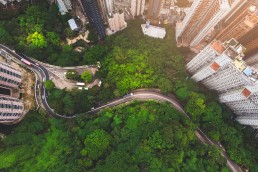
Signify Joins Sustainable Ventures to Accelerate Net-Zero Solution
(UK) - Global lighting company Signify, has joined Sustainable Ventures as a corporate partner in a move aimed at supporting the development and adoption of climate-tech solutions across the UK.
As part of the partnership, Signify will integrate its connected lighting technology into Sustainable Ventures’ workspaces nationwide. The organisations say the installations will serve as examples of how smart lighting can contribute to energy efficiency and the UK’s wider ambition to reach net-zero emissions by 2050.
The agreement will also see Signify work with Sustainable Ventures on a range of innovation programmes, sharing industry expertise and exploring opportunities for joint development in areas including decarbonisation, net-zero planning, intelligent buildings, circularity, and digital energy management.
Signify will also join Sustainable Ventures' workspace community, gaining access to their hubs across the country, which are designed to embody One Planet Living principles. Powered by renewable energy and built with circular principles and a sustainability-first design, these spaces provide an environment that reflects and reinforces the values driving the climate tech community, as well as Signify's commitment to sustainability.
"The climate-tech sector is growing at an exciting pace, and we at Signify are proud to support that momentum by joining Sustainable Ventures,” says Nico van der Merwe, CEO, Signify UKI.
“Collaborating with pioneering innovators who are part of Sustainable Ventures will enable us to amplify our impact across industries. Lighting plays a pivotal role in driving energy savings and enabling smarter, more efficient buildings. Our membership reinforces our commitment to advancing technologies that support decarbonisation, improve energy efficiency, and accelerate meaningful climate action on the path to a low-carbon future." says Nico van der Merwe, CEO, Signify UKI.
Simon Brown, Partner, Corporate Innovation, Sustainable Ventures, adds: "We are thrilled to welcome Signify to our climate tech community. The lighting solutions that Signify have retrofitted into our unique London workspace at County Hall are truly fantastic and tell the story of what's possible when retrofitting sustainable lighting solutions into a Grade II listed building.
“But what I am most excited about is extending this collaboration into our broader ecosystem, where we can connect Signify's expertise with our 1,000+ startups and other key partners. This integrated support model is what truly accelerates the deployment of commercial innovation needed to drive net-zero solutions at scale."
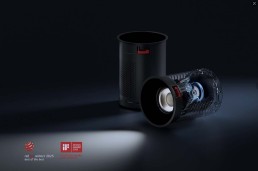
Beidou - BACH by CDN Light
BACH is honoured to introduce its inaugural remote-controlled lighting collection, Beidou. This series employs the proprietary ‘BDS’ control system, which enables users can easily identify and control each light. The system utilises the Zigbee communication protocol and can theoretically control over a thousand interfaces, working particularly reliably and accurately with control of around 100 spotlights. This motorised luminaire integrates patented “Fermat” optical technology with the precision ‘E3’ transmission architecture. This fusion technology pioneers the transformation of optical systems from static to dynamic, comprehensively redefining the efficacy and experiential standards of premium spatial illumination.
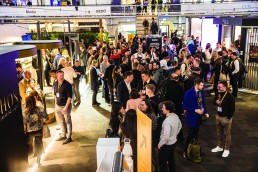
LiGHT Expo London marks its most design-driven edition
(UK) - The highly anticipated LiGHT Expo London returned for its fourth consecutive and increasingly successful year. As the UK’s only dedicated high-end lighting exhibition, LiGHT 25 once again welcomed thousands of visitors to the Business Design Centre in London. Over two days, the 19th and 20th November, the exhibition centre was transformed into a creative and collaborative hub.
A record number of more than 6,700 visitors braved the cold weather to attend this year’s show, demonstrating their unwavering support. LiGHT 25 brought together thousands of architects, interior designers, lighting designers, engineers, and specifiers, alongside hundreds of leading architectural and decorative lighting brands. Visitors attended inspiring talks and presentations from over 60 speakers, all while making new industry connections through creatively curated networking opportunities.
This year’s Decorative Zone proved one of the most talked-about elements, welcoming many new big-name brands to the zone, such as Italamp, Industville, Vibia and Lumen Loom. A special VIP Design Tour welcomed 23 leading interior design studios to participate in a whistle-stop guided tour of the show. The design professionals were treated to introductions to 10 leading lighting brands suited to the interiors market, before heading to the lounge for further networking opportunities. The tour received high-praise from both attendees and the participating brands for providing a concise yet informative platform to explore the show and make connections.
Always evolving in order to remain relevant to the wider industry, LiGHT 25 also introduced its new Technical Zone. While focused on brands in urban and commercial lighting, controls, components and emergency lighting, this addition sat alongside the decorative offering to ensure a well-rounded visitor experience.
Education and community were once again central to the event. Supported by Studio Due, the Associations Lounge once again acted as a shared base for leading industry bodies, including the DALI Alliance, The LIA, ILP, SLL and the IALD. Located on the Gallery Level, the lounge hosted networking events such as the in-person Silhouette Awards celebration, the LiGHT Lunch with Studio Due and speaker David Atkinson of DALD, and a dedicated two-day splinter talks programme.
Central to the educational element of the show programme were the CPD-accredited [d]arc thoughts talks series in collaboration with Lutron. Curated and moderated by editors of arc and darc magazines alongside guest moderators, the two-day talks programme brought together global experts to address themes ranging from sustainability and circularity to wellness, health, and the business of design. Topics and highlights include Shaping Atmospheres with Judith Patiño, of Vibia, who discussed how light and space work in unison to craft memorable spaces. Plus, True Luxury is Handmade: Crafted for Connoisseurs of Light, with speaker Surbhi Jindal (Da Light Hub / Women in Lighting India Ambassador), exploring the creativity that brings bespoke lighting designs to life.
Also new for 2025, visitors were able to immerse themselves in an innovative light art installation by Speirs Major Light Architecture in partnership with formalighting. Re:Vision explored the theme of colour perception across species, using custom spectral profiles and reimagined Ishihara colour blindness test patterns to reveal the diversity of visual experience across the natural world.
Managing Director, Paul James comments: “We are once again blown away with the positive response and overwhelming attendance to the show. We are proud that the exhibition keeps getting bigger and better this year, cementing LiGHT as a must-visit event for anyone involved in lighting, architecture, interior design, engineering, and beyond. The show has a perfect mix to discover new ideas, strengthen professional relationships, and stay at the forefront of the lighting industry.”
Helen Ankers, [d]arc thoughts Programme Director adds: “We are so pleased with the feedback to this year’s show. The entire team had an amazing time exploring the zones, attending the range of inspiring talks from renowned speakers across the industry, and being in awe of the light art installation from Speirs Major. Thank you to all the media partners, event supporters and exhibitors for your valuable contributions this year. We hope that LiGHT will continue to be a success for years to come, and we are looking forward to sharing special plans for our milestone fifth year in 2026.”
LiGHT remains free to attend, with next year’s dates confirmed for 18–19 November 2026.
Recolight launches used luminaire certificate
(UK) - Recolight announces the introduction of its Used Luminaire Certification service, designed to encourage and support developers, consulting engineers, and lighting designers seeking to specify second-life luminaires.
The Used Luminaire Certificate, developed in partnership with Simon Fisher, will include an opinion report on the likely remaining burn hours and lifetime of the fitting, and an estimate of the embodied carbon savings associated with reusing the fitting. This independent assessment helps address uncertainty about the product’s remaining lifespan and embodied carbon.
The certificate is not a substitute for a warranty or CE marking, which may be supplied by a qualified contractor undertaking any necessary reconditioning. This may be the original manufacturer or a specialist lighting remanufacturer.
Recolight’s initiative responds to increasing interest from building owners and specifiers eager to integrate circular economy principles into their projects. With approximately 40 % of global carbon emissions attributable to the built environment, reducing embodied carbon in lighting is an urgent industry challenge.
“Many projects generate unnecessary waste by replacing relatively recent lighting products with brand new fittings,” says Recolight CEO Nigel Harvey. “Reuse is the easiest mechanism to prevent this, extending product lifespans, and lowering embodied carbon.”
The new scheme aims to remove barriers to reuse, providing greater confidence to project teams and supporting compliance with sustainability targets. It also offers valuable documentation to demonstrate adherence to corporate or public sector carbon reduction commitments.
“We’re seeing a real appetite across the industry to do more with what we already have,” says Harvey. “This certification gives professionals a practical tool to support reuse at scale, helping to normalise second-life lighting as part of mainstream specification practice.”
Simon Fisher adds: “This initiative helps provide confidence about the remaining life in pre-owned and pre-used luminaries and that their reuse will provide acceptable service life in new environments.”
Recolight will be piloting the certificate with several major projects in the coming months, with the intention of rolling out the service more broadly across the UK lighting market in due course.