

Disruptia 2025 to return to Mexico
(Mexico) - Light Collective LATAM has announced that the fourth edition of Disruptia will take place in Mexico City at Frontera 88 in the Roma Norte district on 5 November. Bringing together professionals from a range of disciplines, including design, architecture, lighting, technology, and the arts.
The Mexico City gathering is part of a wider international series, with previous editions held in London and Madrid. Organisers describe the event as a space for exchange between industry leaders, creative practitioners, and emerging voices across Latin America.
The programme is set to feature keynote talks, curated showcases, and panel discussions on topics such as artificial intelligence, neuroarchitecture, biophilia, light and sound, show lighting, and the relationship between light and health. Confirmed contributors include Anne Bureau (Wonderfulight), Kai Diederichsen (Luz en Arquitectura), José Cardona (Artec Studio), Dinorah Martinez (Manufactura Juan Rodríguez Artista Visual), and Martin Lupton and Sharon Stammers from Light Collective, among others.
Alongside the scheduled talks, the event will include networking sessions and opportunities for collaboration across different sectors of the creative economy. According to organisers, the aim is to strengthen links between Mexico’s creative community and international experts, while providing a platform for new projects and ideas.
Disruptia Mexico 2025 is supported by sponsors including formalighting, Luxled, Leds C4, Lamp, Ledluks, Lighthouse, and Luminografica.
Tickets are available via TicketTailor.

Future designs launch return to reuse
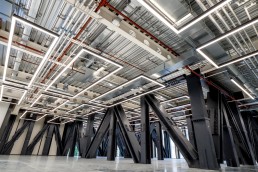
(UK) - Future Designs, the British lighting manufacturer, is launching a return to reuse scheme with a fully traceable recycling service for end-of-life Future Designs luminaires.
Future Designs products will either be reused and processed under the company’s carbon careful initiative, or every component recycled, where possible, offering clients reports outlining the disposal process. The scheme will commence from 1 September 2025, and any Future Designs Vane luminaires that have been installed in a project within the past 12 years will be eligible.
The scheme aims to tackle the issue of refurbishment projects, which often result in mass disposal of reusable materials into landfill, or are improperly processed in ways that do not meet sustainable recycling standards. With luminaires comprising multiple components and materials, the challenge has always been how to responsibly manage the reuse or disposal of every element.
The products that qualify for the scheme so far include Vane, selected due to its flexibility and popularity, across numerous projects throughout the UK alone. Vane is easy to demount, reconfigure and recycle and is manufactured with reusable aluminium and mild steel, all of which can be reused or adjusted for future projects within the carbon careful initiative.
Customers taking part in the scheme will be able to return used Vane luminaires to designated storage facilities, where they will be dismantled and sorted by material type. Suitable components may be refurbished and resupplied for future use, while non-reusable parts will be sent to recycling organisations for processing.
“Our mission is simple,” says Oliver Clements, Managing Director of Future Designs, “Lighting waste is prevalent in our industry, so as a business, we want to do everything we can to provide our clients with not just a service, but a sustainable solution they can trust for many years going forward.”
Return to reuse will ensure every recycled Vane component are tracked and documented, ensuring full compliance with environmental standards. Every new product will have a QR code, so Future Designs will be able to track every product in the future.
CLS - Jade WallWash
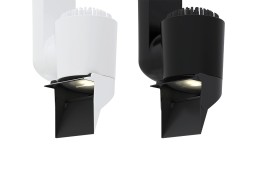
The new CLS Jade WallWash delivers uniform, precise lighting for walls up to 6 metres high. Its innovative top-hat ensures clean beam edges and eliminates spill light on ceilings or floors. This efficient 30W fixture offers control via Casambi, (W)DMX, DALI, or Mains Dim. Available in 2700K–4000K with CRI ~98.
Technical Zone to debut at LiGHT 25
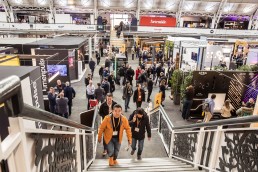
(UK) - LiGHT 25, the UK’s only trade show dedicated to high-end lighting specification, is set to return to the Business Design Centre in Islington, London, on 19–20 November 2025. Building on the success of last year’s event, which drew more than 5,500 visitors, the 2025 edition will feature a host of new innovations, with the launch of a dedicated Technical Zone as a major highlight.
The new zone, will be a dedicated space for brands focused on shaping the future of urban lighting, commercial lighting, control systems, components and OEM, lamps and gear, and emergency lighting. As lighting controls, emergency systems, and advanced components continue to play an increasingly important role in sustainable and human-centric design, the Technical Zone will offer an invaluable platform for both exhibitors and visitors to connect with industry experts, explore the latest products, and gain insights into technical advancements.
LiGHT 25 continues to attract thousands of architects, interior designers, lighting designers, engineers, and specifiers, all eager to see the latest product innovations and launches from hundreds of architectural and decorative lighting brands. Organised by [d]arc media, the event offers a rich programme of activities beyond the exhibition floor.
The renowned [d]arc thoughts talks programme will once again take centre stage, bringing together leading voices from the industry to discuss the latest trends, technologies, and challenges in lighting design. Moderated by editors from the industry’s leading magazines arc and darc, alongside guest moderators, the talks provide valuable insights into the future of lighting. The dedicated Associations Lounge will also return for a second year, offering an exclusive platform for professional organisations and featuring a dedicated splinter talks programme.
LiGHT 25 is more than just an exhibition – it’s a hub for industry connections. Visitors can network at the late-night drinks party on the 19th November, engage in insightful conversations at the networking brunch, or collaborate in the dedicated co-working space.
Lighting the way from concept to creation, LiGHT 25 continues to set the benchmark for the industry, and it is completely free to attend. Don’t miss the opportunity to experience the latest in lighting innovation and expand your professional network.
For more information, visit: www.lightexpo.com
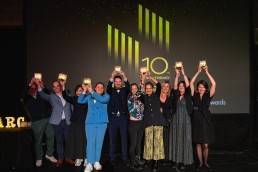
[d]arc awards 2025 open for entries
(UK) – The [d]arc awards, an international event celebrating excellence in lighting design, has opened entries for its 2025 edition.
The awards recognise projects and products across the lighting industry, with eligibility extending to lighting designers, architects, interior designers, and product designers. Once a shortlist is created by an international jury, independent designers and architects are invited to vote for their preferred projects and products. This peer-to-peer voting process is what distinguishes the [d]arc awards within the sector.
This year also marks the continuation of the “Best of the Best” category, awarded to the most highly regarded entry across all categories.
The 2024 edition included a celebratory event at Woolwich Works in London, attended by professionals from across the global lighting community.
Organisers highlight that the awards not only showcase innovation in lighting but also provide a platform for industry networking and visibility. Sponsorship opportunities remain available for organisations seeking to align with the event.
For more information on entries or sponsorship, contact Paul James at p.james@mondiale.co.uk.
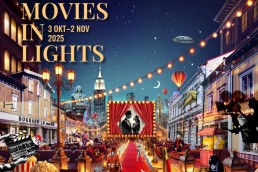
Lights in Alingsås 2025 announces theme
(Sweden) – The annual Lights in Alingsås has announced Movies in Lights as its theme for 2025, drawing inspiration from the world of cinema. Student lighting designers and their workshop heads will create installations interpreting the different aspects of film, with details to be revealed on 3 October.
“We wanted a theme centred around stories – something that evokes the feeling of movie night, the buzz of anticipation, the murmur of the audience, the sense of being transported to another world – and the smell of popcorn,” says Frida Almqvist, Workshop Manager for Lights in Alingsås.
The event will also see the return of the window display competition, introduced last year in partnership with the Alingsås Retail Association. Seventeen local businesses took part in the inaugural competition, which invited visitors to vote for their favourite displays.
In addition, the official Lights in Alingsås app will be updated for 2025. The audio guide, previously available only as a paid feature, will now be offered free of charge to support self-guided exploration. Guided tours will continue to be available from Åmanska Parken.
Workshop week will take place from 26 September to 4 October, with the festival running from 3 October to 2 November 2025.
Outline - Landscape Forms
Outline by Landscape Forms redefines the column light, serving as a pedestrian luminaire, wayfinding element, and architectural detail. With luminaires at 10’, 12’, and 4’ heights plus an unlit bollard, this versatile family blends sculptural aesthetics with modern performance. Designed to elevate visual experiences and activate outdoor spaces, Outline offers a cohesive lighting solution that enhances urban environments with elegance, functionality, and a distinctly contemporary presence.
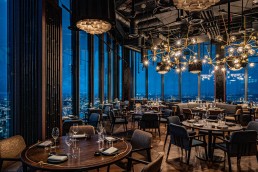
Lucky Cat 22 Bishopgate, London
A fourth incarnation of Gordon Ramsay’s upscale pan-Asian restaurant – Lucky Cat – has opened at 22 Bishopsgate, London, introducing a Tokyo-inspired drinking den now set on an elevated level.
In the fastest elevator in Europe, guests are transported to the 60th floor, where they can savour flavour-packed Asian cuisine and world-class drinks while enjoying breathtaking 360-degree views of London. Arriving via the elevator, transporting the punters are transported back to 1930s Japan when the elevator doors open directly to the restaurant, adorned with detailed glasswork and curved lines, sultry lighting and luxurious design everywhere.
To achieve the same theatrical Japanese ‘Kissa’ aesthetic, darkness was a quintessential element and key to aligning with the original Lucky Cat Mayfair design; thus, lighting had to be carefully considered to achieve the sultry atmosphere. With a well-established reputation for crafting atmospheric and evocative lighting schemes, Victoria Jerram Lighting Design was the only viable option for the job. As a longstanding collaborator on a diverse range of Gordon Ramsay’s restaurants, including the Savoy Grill, The River Restaurant, Lucky Cat Manchester, and Bread Street Kitchen Battersea. Victoria Jerram has consistently brought a nuanced approach to hospitality lighting. Her studio has an enduring partnership with the project’s interior designers, Russell Sage Studio, with past collaborations including the iconic The Goring and the Oriental Club, further underscoring her role as a go-to lighting designer for such a high-profile project.
Despite working on numerous Gordan Ramsey restaurants, the latest addition to the Lucky Cat franchise couldn’t simply replicate its sister restaurants. With the new addition being housed in one of the capital’s tallest skyscrapers, the challenge had been taken to another level. The creative concept centres around a striking juxtaposition of the 1930s-inspired Mayfair Lucky Cat design, thoughtfully adapted to suit the sleek, contemporary architecture of a modern skyscraper. The space is distinctly theatrical, characterised by dramatic, dark finishes, intricate detailing, and expertly crafted lighting to create an immersive atmosphere.
Drawing on Eastern influences, the design reimagines traditional Asian aesthetics for a bold, modern setting. To recreate the dim, intimate ambience of the Kissa bars, both in the evening and during the day, meant using discrete lighting that had been carefully integrated into the joinery and metal framework to emphasise the extraordinary architecture of the space. Maintaining the panoramic views of the city skyline was the primary design consideration for the level 60 space, which boasts 5.7-metre-high ceilings and floor-to-ceiling glazing. The aim was to allow guests to fully enjoy the breathtaking skyline from day through to night, with minimal reflections. To achieve this, Victoria Jerram Studio collaborated closely with Russell Sage Studio to develop a scheme where dark finishes were used throughout the space, and any large feature elements were positioned at least three-metres above the eyeline of seated diners to avoid obstructing the view.
With an exposed services ceiling, track lighting was the natural solution for ambient illumination. Lighting fixtures were carefully selected to minimise glare, such as Lucent’s Prospex TubeLED Mini spotlights in a black finish, featuring a deep-set light source and honeycomb louvre to offer maximum glare control and reduce unwanted reflections on the glazing.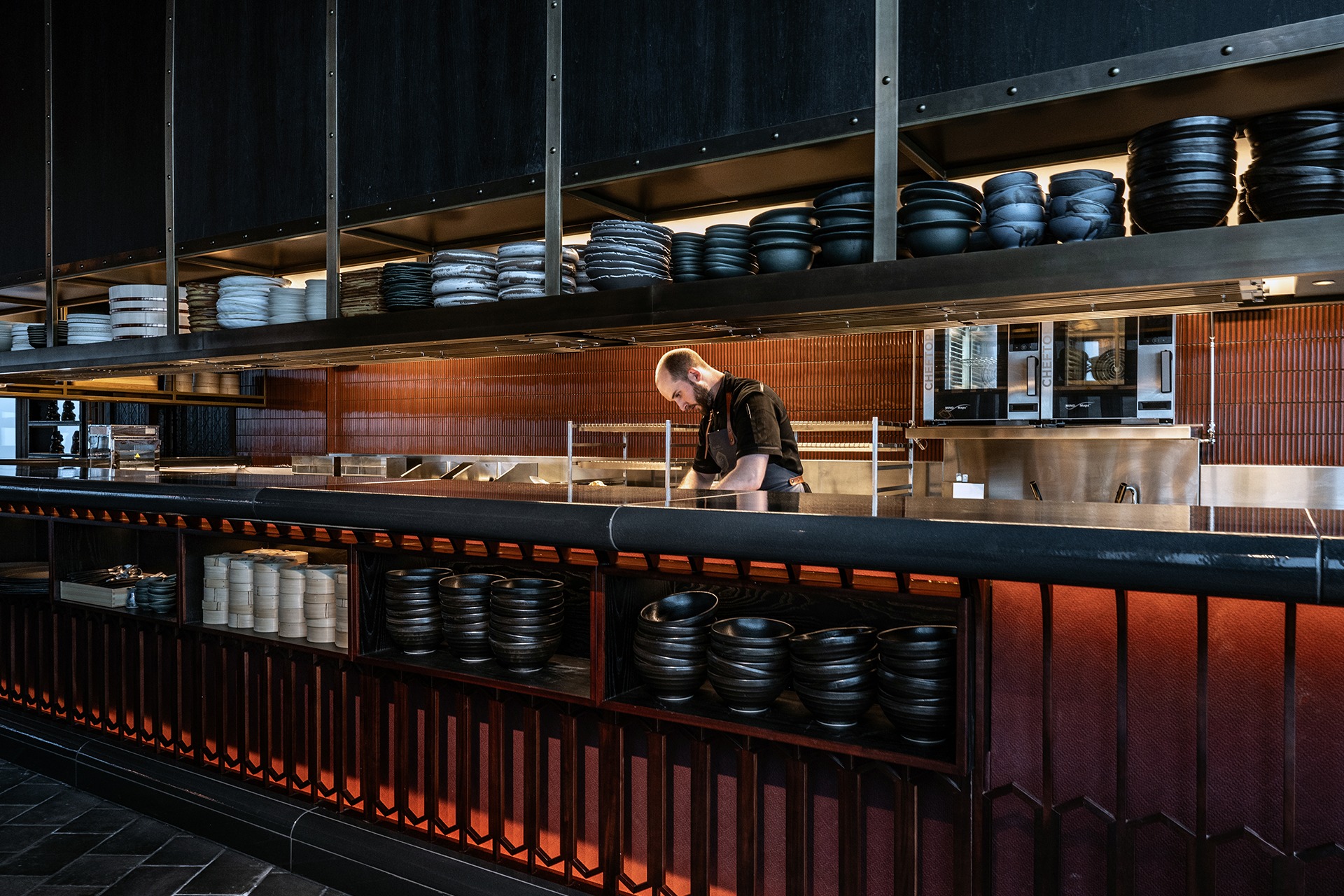
Structural constraints posed another challenge, particularly due to the building’s unusual shape, which complicated the coordination of lighting tracks and services. However, the flexibility of track lighting helped navigate this, and in areas where track could not be installed, Jerram selected Lucent’s matching Prospex TubeLED Mini pendants. These provided consistent light performance and retained the same clean, minimal aesthetic, ensuring visual continuity throughout the space.
A sophisticated lighting control system was essential, given how dramatically natural light levels vary throughout the day. Mode’s eDIN system was chosen, with its multi-sensors able to monitor changing light levels throughout the day. This provided flexibility so the client could adjust lighting as needed, dimming or switching off ambient lighting during brighter periods to conserve energy. Three evening lighting scenes were curated to subtly change the lighting levels and mood through the course of the evening, with dimming levels tuned to minimise unwanted reflections, preserving the clarity of the skyline view throughout the night.
The expansive views from the restaurant are a spectacular feature to have in a hospitality setting; however, what they offer is quite the juxtaposition to the intimate feel the client wanted to create. With more than 120 covers in the main restaurant alone, creative thinking was required to deliver an intimate feel to the dining experience of guests, while also celebrating the vast volume of the space. Large-scale features and careful integration of lighting within these, like the bamboo entrance portal, were one of the design solutions. Low-level ‘human scale’ lighting was used at night to create a warmer, more personal dining experience for guests with the help of integrated joinery lighting.
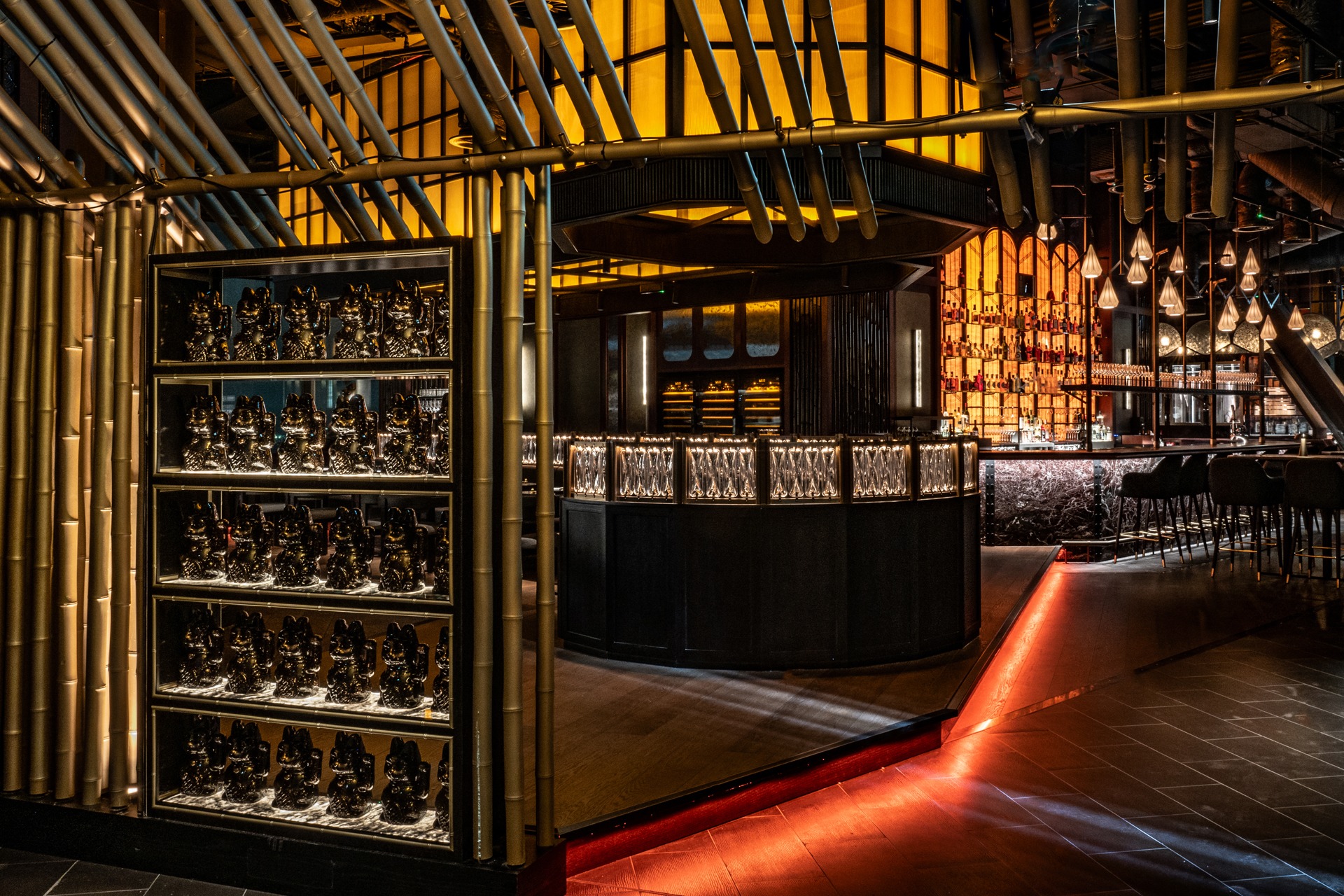
The space features a strong blend of architectural and decorative lighting elements, which could only work seamlessly with both lighting and interior design studios working together. To add to the intimacy, especially at night, low-level lighting was designed into the scheme through the use of battery table lamps and integrated joinery lighting such as the illuminated banquette divider.
Jerram adds: “I worked closely with the Russell Sage FF&E team, who were responsible for the decorative lighting, offering advice on the lit effects, the materiality and functionality for both off-the-shelf and bespoke pieces. I also specified the lamps for each decorative piece to ensure harmony of colour temperature and quality with the architectural lighting.
A sense of drama has been created by layering different types of light to highlight key areas. Notable examples include creating a tunable white light sheet behind the back bar; Projected Image gobo projectors for the signage to the exclusive dining space called Restaurant Gordon Ramsay High; and LightGraphix mini joinery uplights and in-ground uplights for the bamboo arch structure at the entrance.
Employing warmer temperatures helped evoke a stronger sense of intimacy throughout the space. This was exaggerated by including a large-scale Shoji lantern structure suspended from the ceiling in the main restaurant, as well as the installation of a bespoke cluster chandelier at the Sushi Bar end of the restaurant. This added to the visual appeal, as well as the sense of theatricality that diners desire from a high-end dining experience.
In a restaurant where the kitchen is proudly on show, the relationship between front of house and back of house lighting becomes more critical than ever. At Lucky Cat, 22 Bishopsgate, the open kitchen isn’t just functional – it’s part of the theatrical experience. Blending the practical demands of a working kitchen with the atmospheric drama of the dining space required precision and restraint. “The key was in the choice of colour temperature and lighting quality,” explains Jerram. “I ensured that both the ambient front of house lighting and the open kitchen lighting were set to a consistent 2700K with high colour rendering. This helped create a visual harmony between the two zones, despite their very different functions.”
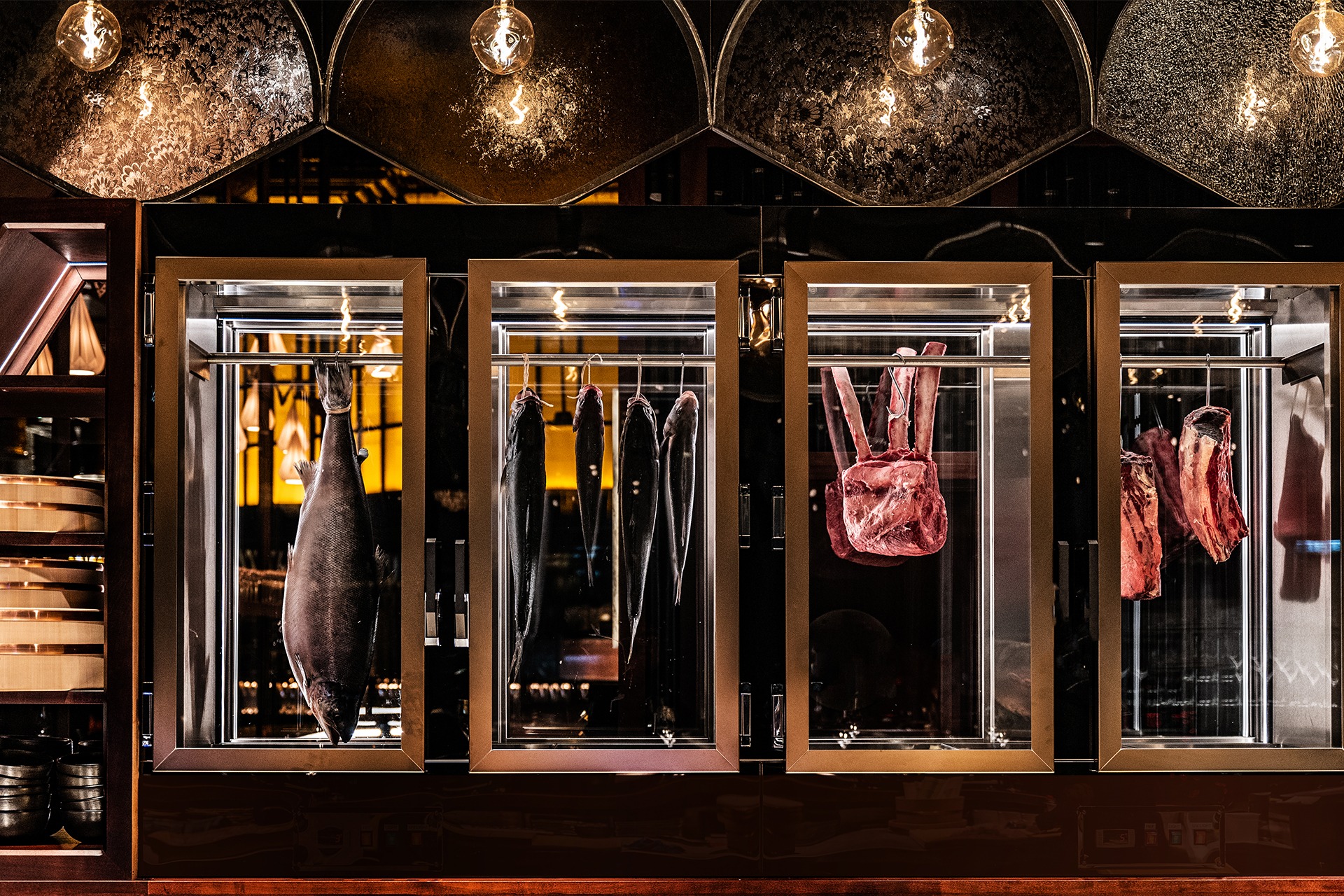
Where the functional fittings of the kitchen couldn’t be concealed behind decorative gantries at the pass, tightly focused luminaires were used to control spill and minimise distraction. The result is a carefully curated glow that respects the mood of the dining room without compromising the working needs of the kitchen.
A final layer of finesse came during scene setting, Jerram adds: “I used a light meter to fine-tune the kitchen lighting levels and created a separate evening scene with dimmer output, timed to begin once food prep had finished. This allowed the space to transition naturally into a softer, more refined ambience, keeping the focus firmly on the dining experience.”
Shaping the ambience of one of London’s highest restaurants came with both ambition and precision. Situated atop one of the City’s most iconic towers, the project demanded a lighting scheme that could deliver drama and intimacy without ever compromising the breathtaking skyline views, to which Victoria Jerram delivered. It’s a scheme that stays true to the original vision, while enhancing the sensory experience for guests throughout the day and into the evening. Looking back at the finished space, the designer reflects on how successfully the lighting delivers on its initial promise, Jerram says: “I’m delighted with the final result. The lighting brings atmosphere, drama, and intimacy to the space, and really delivers the wow factor that’s expected of a destination restaurant.”
Among the many rewarding aspects of the project, one of the team members was given the pleasure of dining at the restaurant during its opening week. On an overcast but clear afternoon, she was delighted to experience the hard work she and her team had achieved and was particularly thrilled to see that there was no glare on the glazing, allowing the view to remain pristine. This was a huge win for the team, given that it was the primary wish of the client from the beginning.
Finalising her thoughts on the project, Jerram emphasises that collaboration was key throughout. She says: “It’s always a pleasure to work with a client who truly values lighting. Their experience and clarity of vision meant we could push the design further, knowing we had a shared understanding of what we were trying to achieve.”
With panoramic views, considered detailing, and a lighting scheme that brings theatre and soul to the space, Lucky Cat 22 Bishopsgate sets a new benchmark, not just for dining at height, but for how light itself can shape the experience.
Client: Gordan Ramsey Lucky Cat 22
Lighting Design: Victoria Jerram Lighting Design, UK
Interior Design: Russell Sage Studio, UK
Lighting Specified: Addlux, Lucent Lighting, Orluna, Precision Lighting, Projected Image, LightGraphix, Fibre Optic FX, Unibox, Mode
Cologne Cathedral
Through a respectful new lighting scheme, Licht Kunst Licht has redefined the nighttime identity of Cologne’s UNESCO World Heritage Cathedral, emphasising its striking Gothic architecture.
One of the most significant examples of Gothic architecture in the world, the UNESCO World Heritage site of Cologne Cathedral has been given a unique new lighting design that seeks to redefine its nighttime presence.
Created by Licht Kunst Licht, in collaboration with RheinNetz, the new lighting scheme replaces the former, outdated, floodlighting setup with a refined, energy-efficient LED system that emphasises the building’s architectural integrity, visual clarity, ecological responsibility, and conservation sensitivity.
“The previous lighting installation at Cologne Cathedral primarily relied on floodlights mounted on surrounding rooftops,” says Philipp Schmitz, Lighting Designer and Senior Team Lead at Licht Kunst Licht. “These 1,000W discharge lamps consumed more than 53,000W and emitted neutral white light (4200K), generating significant light spill and increasing concerns over light pollution.”
Recognising the need for change, Licht Kunst Licht was invited in 2017 to carry out a comprehensive site analysis, and propose a new, sensitive lighting concept tailored to the Cathedral’s architectural significance.
As original drawings were scarce, the lighting designers worked in close coordination with the Cathedral’s maintenance body, Dombauhütte, and the client, to develop a detailed lighting plan. The result of which is a system comprising more than 700 discreet luminaires, carefully placed to emphasise architectural features, while remaining largely invisible to the observer. The vast majority of which are installed directly on or near the structure, using compact, low-glare units; only 10% of the light now comes from remote positions – down from 80% - drastically reducing unwanted light spill and improving overall precision.
This approach was integral to Licht Kunst Licht’s central concept of “light follows architecture”, whereby instead of flooding the building, the new lighting emphasises the depth and verticality of the design through directional light, grazing, and shadow play.
“Our vision was to craft a lighting scheme that honours the architectural essence and spiritual significance of the Cologne Cathedral, while redefining its presence at night,” Schmitz continues. “The aim was not only to enhance legibility and spatial clarity, but to instil a sense of reverence and stillness appropriate to this UNESCO World Heritage site. At the same time, the design embraces ecological responsibility, with focused warm-spectrum LED lighting that reduces energy consumption by 80% and limits impact on local fauna. The result is a lighting scheme that supports conservation, enhances architectural identity, and creates a more meaningful experience for visitors, both near and far.
“The concept honours the spiritual and historic significance of the Cathedral, embraces the craftsmanship of the Dombauhütte, and supports its ongoing restoration. A deeply respectful, context-sensitive lighting strategy was essential.”
Through the “light follows architecture” approach, specific focus was given to some of the cathedral’s key architectural details. These included the flying buttresses, pinnacles, pointed arches and traceries, which now appear more three dimensional, as well as the twin towers and spires – these have been softly backlit and accentuated to reinforce their symbolic prominence.
“The towers are central to Cologne’s skyline identity. We combined soft backlighting with vertical grazing to highlight their soaring tracey and pointed arches,” adds Stephan Thiele, Lighting Designer and Design Lead at Licht Kunst Licht. “We also illuminated the upper tower interiors – showcasing their openwork Gothic geometry and creating a vivid nighttime beacon that reinforces the Cathedral’s symbolic presence across the city, particularly from the far side of the Rhine.”
Elsewhere, portals and sculptural ornamentation has been made legible through new ground-recessed uplights and vertical lighting columns.
By shaping the light around key features, rather than applying it uniformly, Thiele says the new scheme “enhances depth and structure, visually reinforcing the building’s inherent rhythm and volume in a way that is both respectful and visually compelling”.
Given the Cathedral’s status as a historic monument, any new lighting interventions had to be completely reversible and non-invasive. To that end, Licht Kunst Licht developed custom, reversible clamp systems that require no drilling. Instead, the systems use pressure-distributing brackets with lead padding to protect the stonework.
Schmitz explains in more detail: “These methods were developed in direct collaboration with the Dombauhütte, ensuring full compliance with conservation principles. The lighting is designed to be virtually invisible by day – an architecture-first philosophy where the only trace of lighting is the enhanced perception of the building itself.
“A key innovation within this sensitive framework was the development of bespoke, multifunctional lighting poles. These were conceived in close cooperation with Rhein Netz, the Dombauhütte, and luminaire manufacturers to address both functional and heritage requirements. Each pole integrates a glare-free light module to illuminate circulation zones directly in front of the Cathedral entrances, ensuring optimal visibility without disturbing the architectural view. Additional integrated spotlights highlight specific façade features, sculpting light with precision, while remaining visually discreet.”
To preserve the integrity of the key sightlines, all spotlight apertures were carefully oriented and shielded to prevent direct view of the light source from prominent vista points – creating an uninterrupted, respectful viewing experience. The slim, minimal appearance of the poles and their fully integrated components allow them to recede into the urban fabric, while playing a critical role in the lighting composition.
Their custom design, Schmitz adds, is a “cornerstone of the project’s success, enabling architectural expression, without compromising heritage values”.
Throughout, lighting is fully dimmable and tunable in colour temperature, down to 2700K warm white, supporting seasonal adjustments, special events, and evolving ecological guidelines. Light colour has been calibrated to match the warm tones of the sandstone, avoiding harsh contrast and enhancing material perception. The luminaires have also been designed to disappear visually, while producing maximum architectural effect – expressing the idea that “lighting should leave no trace, except in perception”.
As well as preservation, a core objective of the new lighting concept for Cologne Cathedral was to minimise ecological impact, while enhancing architectural expression. All luminaires are therefore equipped with highly efficient LED technology, and tuned to a very warm, long-wave spectrum. This careful selection significantly reduces disruption to local wildlife – particularly nocturnal species such as insects, birds, and bats, which are highly sensitive to short-wave, blue-rich light.
The lighting is precisely targeted, ensuring illumination is focused on architectural surfaces, without spilling into the surrounding environment or the night sky, while glare and light trespass have been substantially reduced. To further preserve the natural nocturnal rhythm, a night-time curfew has been implemented: luminaires dim to a minimal output in the second half of the night, supporting both ecological balance and visual calm.
Compared to the previous system, the new scheme is also markedly more energy-efficient. By introducing LED luminaires, advanced optical systems, and dynamic dimming controls, energy consumption has been reduced to just one fifth of the original installation – operating at just 11,000W on average, as opposed to the previous 54,000W system, while delivering higher visual quality. This, the lighting designers feel, demonstrates that sustainable lighting can go hand in hand with cultural and architectural reverence.
While the new lighting design treats the building with the cultural and architectural respect that it deserves, Schmitz explained that achieving the desired solution was not without its challenges – the primary one being the lack of access to original plans or drawings.
“The lack of detailed architectural documentation required a prolonged analytical study of the façade and Gothic elements,” he says. “Since digital simulation was insufficient for such a complex, heterogeneous structure, we conducted extensive on-site lighting tests over several years – testing various optics, angles, and positions to achieve the desired effects through empirical observation.”
Schmitz also adds that the collaboration with the project’s other stakeholders also proved beneficial in overcoming any issues that arose. He continues: “Once the concept was approved by both ecclesiastical and municipal authorities, implementation was carried out in close partnership with the client, Rhein Netz, and the Dombauhütte. The project benefitted from years of committed interdisciplinary teamwork and mutual trust – ultimately achieving a refined outcome that honours the vision from design to execution.
“Designing for heritage buildings is inherently time-consuming, but entirely worthwhile. This project demonstrates how architectural lighting can simultaneously reduce energy consumption, minimise light pollution, and elevate the perception of historic architecture.”
Indeed, by taking a nuanced approach, the team at Licht Kunst Licht has created a lighting scheme that balances the religious significance of the site with a more secular experience for general visitors, with a reverent, architectural expression of light that underscores both the Gothic structure itself, and its spiritual meaning, without becoming too theatrical.
It is an approach that has been received well, as Thiele reflects: “The Cologne Cathedral is a civic icon and deeply embedded in the city’s identity. Our aim was to maintain its visual presence after dusk and render its architectural richness legible across distance. We’re proud that the finished result now reveals the Cathedral’s form and detail even from across the Rhine – offering a sculptural, dignified nighttime appearance befitting its stature.
“Public and professional feedback has been overwhelmingly positive. Parishioners, tourists, and the media have all responded warmly. During a final commissioning session, an elderly woman paused nearby, photographing the Cathedral. She turned to her husband and said: ‘It looks better now than during the day’. That simple remark captured exactly what we hoped to achieve.”
Client: RheinNetz
Lighting Design: Philipp Schmitz, Stephan Thiele, Andreas Schulz; Licht Kunst Licht, Germany
Lighting Specified: We-ef
Photography: HGEsch
David Morgan: Panel Show
David Morgan runs David Morgan Associates, a London-based international design consultancy specialising in luminaire design and development and is also MD of Radiant Architectural Lighting.
Side lit prismatic lighting panels are not usually the most innovative product area in the lighting world, but an Italian company has taken this product type to a new level of lit effect and performance, so I wanted to learn more about the products and the company behind them.
Folio Lighting, based in Brescia, was formed from a group of companies that was started in 1986 by Marco Maitini, who was active in the development of the aluminium extrusion industry. He introduced the Porsa extruded aluminium modular furniture system into Italy. The system, originally designed in Denmark, was developed and marketed for use in a wide range of furniture and other applications.
In 1992, Cifralluminio, the second company in the group was launched by Marco Maitini and Silvia Salamone to further utilise aluminium extrusions for use in interior and exterior signage, advertising banners and other similar applications. They are still active in the company as President and CFO. At this point, lighting technology was added to the company’s capabilities in order to create custom designed, back-lit luminous signs.
The final stage in the development of the Group occurred in 2009 when Roberto Maitini, son of Marco, launched Folio to focus on the lighting market. A US office was opened in New York in 2018 to service the North American market, with sales teams on both East and West coasts. The company employs around 50 people in Brescia and sells in developed markets around the world, working closely with lighting specifiers, architects, and interior designers.
The company produces all of its products in house, has a strong ESG policy, and is Ecovadis Platinum rated.
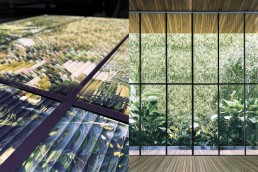
Folio specialises in the production of side-lit luminous surfaces (as they prefer to call them rather than panels) for use in high-end retail, hospitality, and many other applications. These illuminated surfaces are utilised as back lights for walls and ceilings, behind light-transmissive materials including onyx and marble, or used behind perforated metals.
In addition to the plain opal panels, the Folio product range features a variety of panels combined with surface materials, including marble, printed layers, textiles, glass mosaics, and even opal-acrylic with routed surface details.
The panels can be curved into custom profiles and can also integrate cut-outs for downlights or track mounted or individual projectors to create complete pendant luminaires for use in retail lighting applications
It is understood that the proprietary micro-engraving technique that Folio uses to create the acrylic prismatic panels achieves an industry-leading 97% uniformity for luminance, and also colour point accuracy. They are able to achieve this performance on their maximum size surfaces of up to two by three-metres. This micro-engraving process is driven by a sophisticated mathematical algorithm that, according to the size and shape of the individual prisms that make up the luminous surface, optimises light transmission. The company is continuing to develop this process to achieve an even higher performance in the future. Panels are available in a range of thicknesses from seven, nine, 12 and 19mm.
The LED light engines used to power the surfaces are designed and produced in-house using tightly binned LEDs from Nichia to ensure high efficiency and excellent colour uniformity. The maximum lumen output is around 5,000/sqm, with a power consumption of around 100W/sqm, depending on the colour temperature and CRI.
A wide range of colour temperature LEDs can be used for the light engines, ranging from 2000K up to 5700K. Tuneable white, RGBW as well as full spectrum and Vitasolis light engines are also available.
One of the latest innovations from Folio is its Fluted product, whereby the illuminated surfaces are combined with an array of convex or concave clear acrylic rods. This combination produces a large-scale lenticular that creates a three-dimensional depth effect. The acrylic rods are available in 10mm, 15mm and 20mm wide profiles. This development was triggered by a request from a customer who wanted a fluted glass effect. Starting with a photographic image it became apparent that adding the acrylic rods enhanced the effect and from that single project this new range has developed.
Folio has already been used on many iconic high-end retail and hospitality projects. The Fluted system adds another layer of interest to an already successful product range.
www.folio.it
Email: david@dmadesign.co.uk
Web: www.dmadesign.co.uk
Lighting Museums: A Practice in Precision, Collaboration and Care
With a wealth of experience in illuminating museums and cultural institutions, Zerlina Hughes, Creative Director of StudioZNA, shares some of her knowledge in lighting this medium, with particular reference to her recent work at London’s National Gallery.
 At Studio ZNA, we have specialised in illuminating cultural institutions, public buildings, and commercial environments since 2006. My own career spans more than 25 years across theatre, opera, retail and the cultural sector, working on everything from pop-ups and temporary exhibitions to major renovations and the permanent collections of museums and galleries globally. Each project comes with its own individual challenges, opportunities, and intricacies.
Museum renovations remain some of the most exciting and complex projects we undertake. They offer the opportunity to collaborate with the best architectural and curatorial teams, often within historic buildings, and surrounded by the world’s most esteemed artworks.
The responsibility is considerable. Lighting determines not only what is seen, but how it is perceived. It sets rhythm, mood, and tone, shaping the atmosphere and the narrative arc of a visitor’s journey. Done well, lighting feels effortless, yet beneath that apparent simplicity lies a carefully structured design approach – we are crafting a sensory architecture that supports narrative and storytelling.
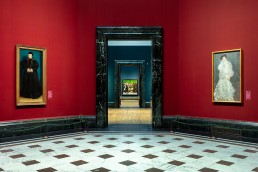
One of our most significant recent commissions has been for The C C Land: The Wonder of Art at the National Gallery in London. This major redisplay of the permanent collection marks the Gallery’s bicentenary and spans all 66 galleries. Opened in May 2025, it is a once-in-a-generation redisplay, and we were honoured to be selected to contribute to a transformation of such cultural significance and scale.
Light as a Narrative Medium
Our approach was not only to illuminate the artworks, but to support the curatorial story, enriching the spatial experience, and articulating the emotional tone of each space, from cathedral-like grandeur to intimate, contemplative rooms.
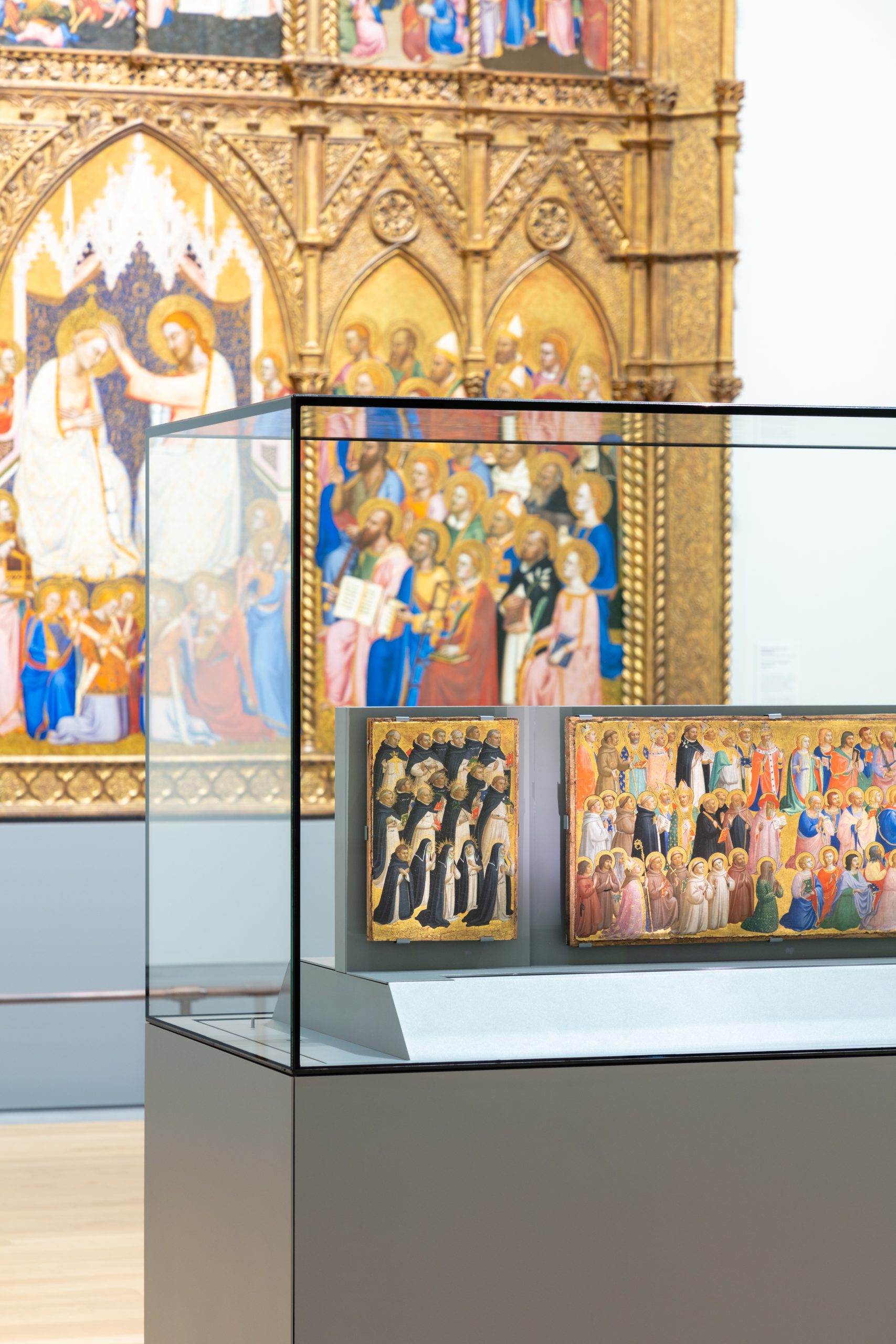
In the Sainsbury Wing, we used lighting to enhance a devotional sensibility appropriate to the period and content of the works. The aim was to create spaces that feel both reverent and resonant, where light emphasises form, scale and texture without distraction.
In the adjacent galleries to the east and west, which hold smaller-scale works, a more nuanced lighting strategy was required. The curatorial intention was to create quieter spaces for intimate viewing. We reduced daylight by applying light-diffusing film to rooflights and introduced darker wall tones, which helped create a more subdued visual environment. These adjustments were paired with artificial lighting designed to sit lower within the visual field, supporting a more reflective mood. The result is a gentle tonal shift, inviting closer engagement and moments of stillness within the overall rhythm of the redisplay.
Within the High Renaissance galleries, we allowed daylight and artificial light to interact, creating a soft wash that supports the architecture while allowing individual artworks to be treated with precision. Each piece was given its own lighting layer, designed to enhance colour, depth and texture. Later galleries, housing Impressionist and Post-Impressionist works, were treated with a cooler, more neutral colour temperature. This subtle perceptual shift aligns with both the visual language of the paintings and the more minimal architectural detailing of these spaces.
In each case, the lighting design responds directly to the specific nature of the artworks and the curatorial intent, balancing historical context with contemporary exhibition standards.
The Craft of Making Light Invisible
When lighting works well in a gallery context, it often goes unnoticed. Visitors rarely remark on balanced lighting; they comment when it feels too low, too bright, or overly visible. When visitors are not distracted by glare, imbalance, shadow or visible fittings, they are free to focus on and experience the artwork itself. Yet achieving that level of invisibility demands significant technical control and attention to integration.
 Lighting quality is only part of the equation. For this project, the centralised control system allows for pre-programmed settings that adapt to time of day, function, or event requirements, with fade sequences that maintain continuity and ensure conservation requirements are met throughout.
Showcases bring their own challenges. We worked closely with the Gallery’s design team to create bespoke vitrines with internal lighting. Reflections and glare were carefully managed. We designed internal lighting strategies – top and base mounted – allowing the glass to ‘disappear’ and the objects to be studied in close viewing and also experienced in dialogue with the surrounding wall-mounted works. Beam shapers provided pinpoint control, and fittings were miniaturised and integrated seamlessly into furniture design, ensuring clarity without visual intrusion.
In heritage spaces, lighting must work with rather than against the architecture. This required careful thought: we used tunable white uplights embedded into cornices, refined surface-mounted tracks in carefully selected finishes, and avoided visible cables or structural compromises to historic plasterwork. Every detail was considered, and often prototyped, to ensure technical performance never compromised aesthetic clarity.
Human Experience and Conservation in Balance
Visitor experience was a core consideration. Previously, many galleries exhibited abrupt shifts in lighting levels. Our aim was to create a unified and intuitive journey throughout. A consistent colour temperature range of between 3500K and 4100K helped minimise visual fatigue and supported curatorial coherence, while also respecting conservation guidelines.
Thresholds and circulation spaces were recalibrated for legibility, clear signage, interpretation and movement between galleries. The aim was to provide visual clarity without drawing attention to the lighting itself. 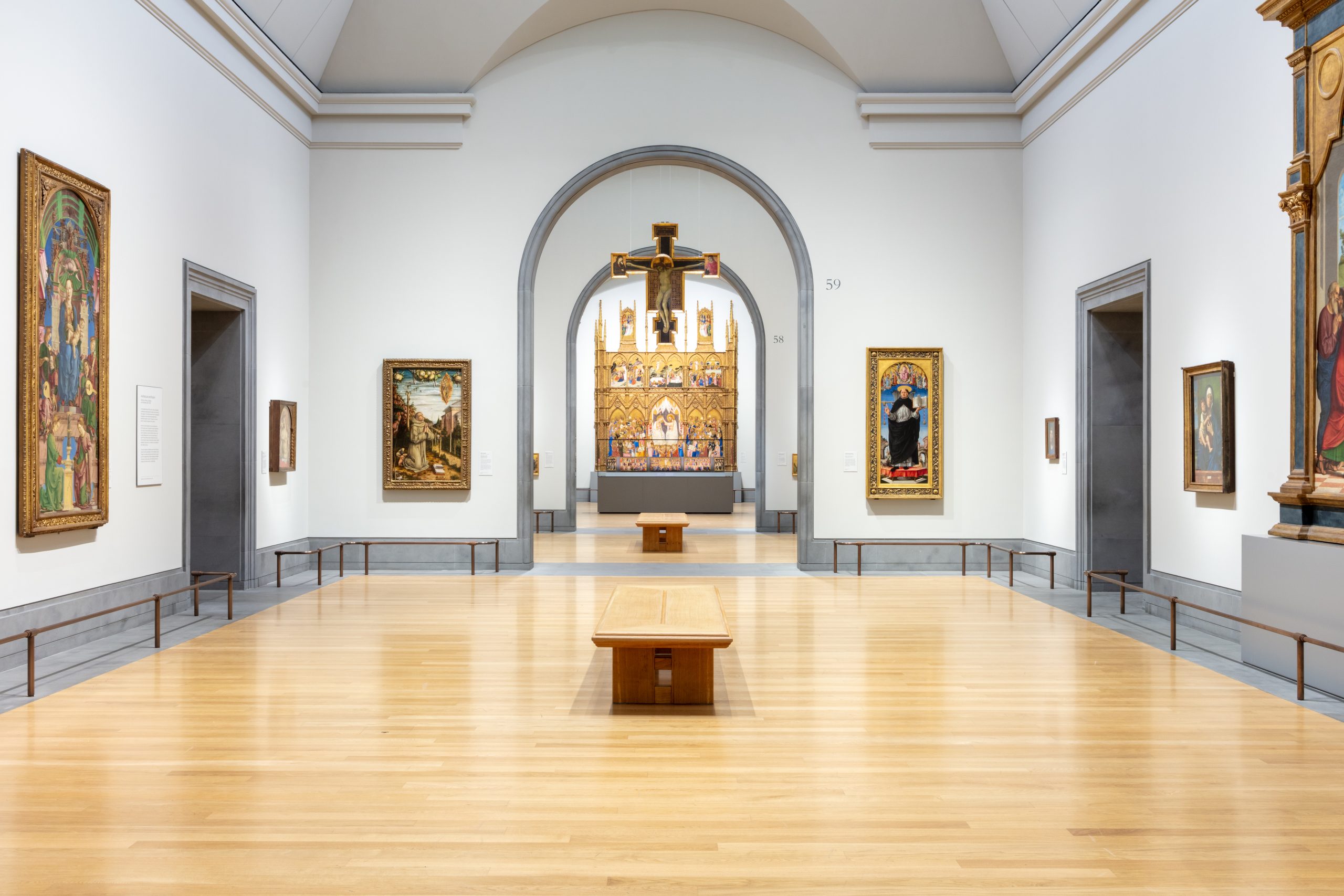
We also worked with conservators on a daylight management strategy. Where natural light enters, we calibrated motorised blinds and sensors to control the flow of diffused light, avoiding jumps in luminance. These transitions, particularly from daylit to non-daylit rooms, required fine tuning to avoid visual shock. This was especially important during winter and for evening events, when natural light is limited. Every room was modelled with these scenarios in mind, ensuring both the artworks and architecture remain legible and engaging under all conditions. Scene presets allow the Gallery to maintain conservation standards while supporting its vibrant events programme, balancing protection with presence.
Collaboration as a Creative Method
The success of museum lighting is never down to a single discipline. It requires continuous dialogue with curators, conservators, architects, and technicians. Every decision, from beam angle to control system, is shaped by collaboration.
With The Wonder of Art, the curatorial team brought a strong conceptual vision to the redisplay. Our role was to translate that vision into a visual language – supporting mood, pacing, and materiality. Conservation teams advised on tolerances and exposure limits, shaping our decisions around fittings, positions and intensities. The result is a scheme that is both technically rigorous and curatorially responsive.
Reflection and Continuity
Designing the lighting for 66 galleries within a national institution is both a privilege and a responsibility. It is an opportunity to demonstrate not just technical capability, but conceptual understanding – to think about how light can support storytelling, spatial continuity, and human engagement.
The result of our work at the National Gallery is a lighting scheme that is both structured and flexible, respectful and contemporary. It is designed to evolve alongside the collection and to remain quietly present, always working, guiding, and ideally, never competing with the art it reveals.
Images: Luke Hayes
www.studiozna.com

Light Equity
Following the devastating fires that destroyed more than 16,000 structures across Los Angeles, non-profit lighting group Light Equity established Light for LA, an initiative that aims to help build back the affected areas of Altadena and the Palisades in a more equitable way. arc speaks to Light Equity members Nick Albert and Cy Eaton about the initiative and its long-term goals.
In January of this year, a series of wildfires tore through the Greater Los Angeles area of Southern California. Spanning more than 57,000 acres (89 square miles), the fires caused massive damage, destroying more than 16,000 structures across the Palisades and Altadena – making them among the most destructive fires in California’s history.
As the rebuild begins across these districts, a group of lighting professionals have come together with the goal of empowering those affected, with “community-centred lighting solutions”.
The group, named Light Equity, was initially formed by Nick Albert and Lauren Dandridge of Chromatic, Cy Eaton of HLB Lighting Design, and David Komonosky of Above All Lighting in the wake of the social justice issues across the USA in the early 2020s. The intention being to redefine how lighting design is approached in local communities, understanding that it is not just about aesthetics, but creating environments where people can thrive, connect, and feel safe. A statement on the group’s website reads: “Lighting inequality remains a pervasive issue in our communities, perpetuating disparities and neglecting the fundamental right to safe and inclusive spaces for everyone. The practice of lighting design is a crucial aspect of urban planning, but is often not considered as a tool to address the needs of underserved neighbourhoods. This lack of understanding and application has resulted in a multitude of challenges that affect these communities.”
The mission of Light Equity, therefore, is to recognise these challenges as urgent calls to action and address the root causes of lighting inequality, empowering communities to see lighting design as a tool to support and enrich the places they live, work, and connect, and ultimately create safer, more vibrant, and inclusive spaces for everyone.
Nick Albert, Principal at Chromatic and Executive Director of Light Equity, says: “Our work fosters equity and resilience by supporting access, awareness, and advocacy for the value of light and the role that it can play in people’s lives.
“The equity in this case is not purely a conversation of socioeconomics, or race, or religion, or any of the other ways in which equity is often talked about – although those statistical groups are important and relevant, and are the underpinning of a lot of the inequity. In this case, what we’re talking about is something that lighting design as a profession has been talking about since the beginning, that this is a valuable thing in people’s lives. But the number of people that have access to that way of thinking is miniscule. Lighting designers, at least in the US, are often called ‘luxury consultants’ because that’s just where they fit. There is a price threshold for where you can hire a lighting designer in terms of dollars per square foot that you’re going to spend on a building, but there is no price threshold for where lighting design can be valuable. And so that is a gap in access that creates inequity, and that is what Light Equity is about addressing.”
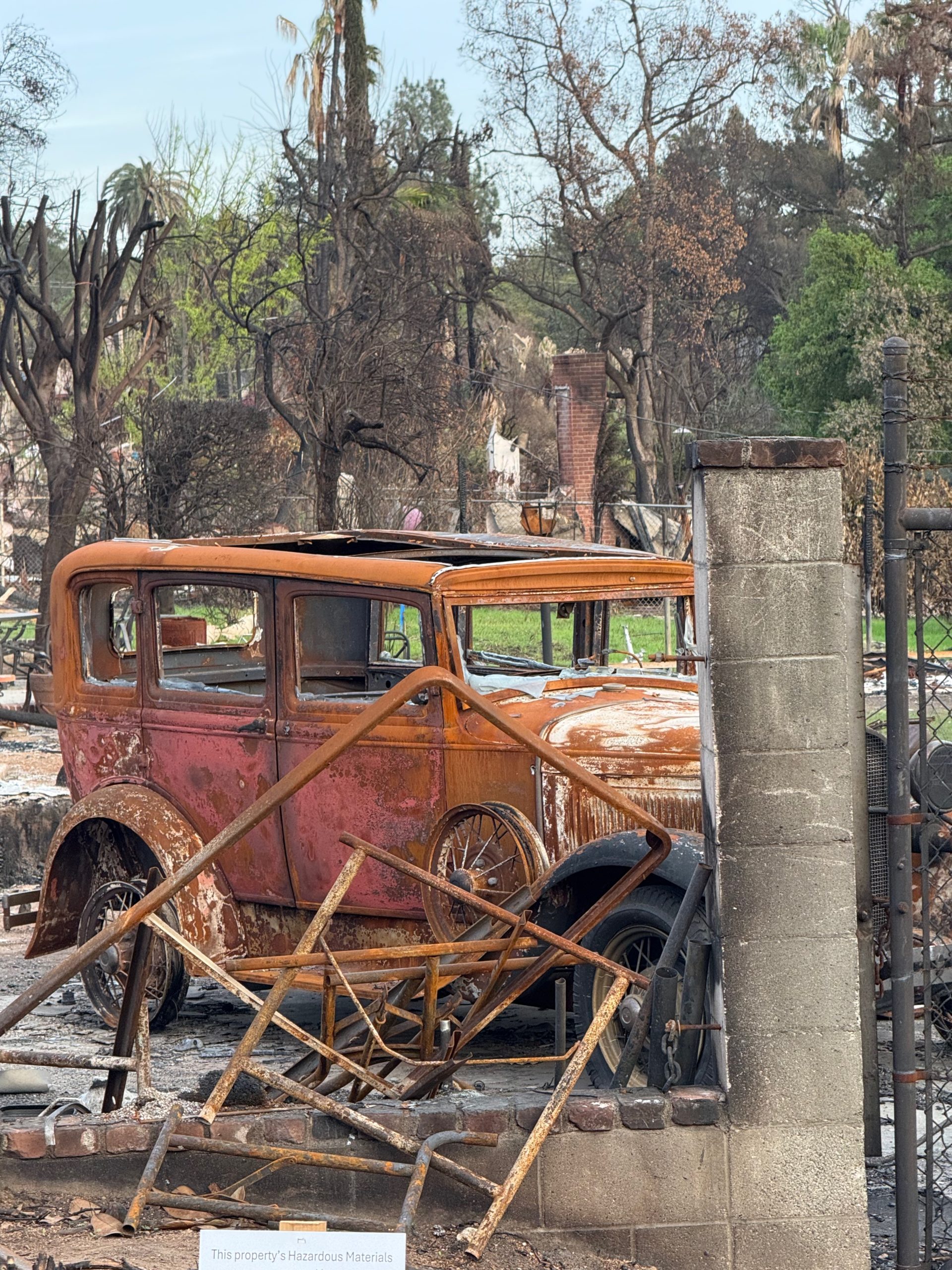
Albert’s career began initially in architecture and construction – he studied architecture in Ohio, and worked on some construction jobs, becoming a glass and glazing contractor for three years in the Midwest, fabricating and installing curtain walls, hanging off high rise buildings, “all kinds of stuff that I can’t stomach anymore now that I’m older and wiser”. However, after moving to Los Angeles with his partner and looking for jobs in architecture, he, like many before him, “stumbled into lighting”. “It wasn’t a professional intent – I didn’t have much awareness of lighting as a specialty, but my generalised architectural knowledge, and in particular my knowledge of building systems and detailing at a really tactile level was something that my first lighting employer, Francis Krahe, thought was really important and valuable. And so, with no specific lighting background, that’s what got me into that position of being part of his team.
“Architectural design is a discussion of pieces of a whole and how they work together; buildings are a combination of systems that have to work for the people and with the people. When you think about glass systems and fenestration, it connects you with what is outside and reminds you that you’re part of something larger at both a human and natural scale. It’s a way that the building becomes a vehicle to communicate those experiences, and what I found is something really similar in lighting as well, where the real purpose of lighting in a space is about communicating those experiences with people and engaging people. So, to me, it’s one of the really critical and expressive touch points of architecture.”
After working with Francis Krahe for 10 years, Albert moved to Illuminate Lighting Design, a time he recalls as “a great experience to start diving deeper into lighting’s role in the narrative of space”. It was while he was at Illuminate that Albert met Lauren Dandridge – who was then working in Specification Sales at Performance Lighting Systems. The two developed a good friendship and strong working relationship, and eventually joined forces to establish Chromatic in 2021.
Albert recalls: “At the time of George Floyd, we did a lot of friendly soul searching, where we were wondering how what we were doing had to do with the bigger, more important things that we were acutely aware of at that time. Something that kept coming up in our discussions was this idea that my grandparents embedded in me that ‘you take care of your corner of the shop first’. And where Lauren and I landed is that our corner of the shop of life is lighting. This is where we’re at – we have this expertise and influence. So, we thought to ourselves ‘is there a different way to do it?’, and that’s what Chromatic is. It has to do with missions of equity and inclusivity, and the idea that all social systems lack that, to some regard.”
It was during his time at Illuminate that Albert first met Cy Eaton, who was interviewing for a position with him at the time. “We kept in touch on and off over the years, but we really reconnected at IALD Enlighten Americas last Fall,” Eaton explains. “We realised ‘hey, it’s been way too long, let’s grab a drink some time and catch up’. And that led to me, a few months later, being up on Nick’s roof, helping him re-roof his house – that’s what you do for your friends and colleagues, you help out where you can. And so, Nick said ‘Cy, thanks for your help with the roof, I owe you one’. And then a month later, I call him up and say ‘Hey, you wouldn’t believe it, but I might need help with a roof, and a few other things.’”
Like Albert, Eaton’s journey into architectural lighting was conventionally unconventional. “I came from a theatrical lighting background, and through that attained a real kinetic and immediate connection with light, and how lighting can impact the experience of a space and the emotional experience for people in that space, and how powerful a tool that is. So, I then shifted my attention towards wanting to apply those tools, but in a way that was more broadly accessible to the community, because theatre and the arts can be a profound way of communicating and connecting with people, but it also has a very finite reach.
“So that, through various iterative steps, led to me getting involved in architectural lighting, with a brief detour into theme parks, but really coming out of the other side of all that, wanting to have the broadest reach and the most significant impact possible on day-to-day life and experience. In the same way that Nick and Lauren and a lot of other colleagues that we know went through a bit of a reckoning back in 2020-2022, thinking ‘we just do lighting, but what is the deeper meaning’? I went through a bit of that then as well.
“But then, when the fires hit LA in January, along with 16,000 other structures, my household was one of those affected. It made the whole experience much more personal, but also much more tangible. One of the ways that I’ve been able to move forward is by finding ways to not just help myself, but to help my whole community recover and move forward.
“We’ve been so blessed with certain things falling into place for us and having a really amazing, supportive community, that then when we felt like we were on stable ground, rather quickly we could turn the attention towards people that we knew were having a harder time, and would have a bigger struggle in the long term to rebuild.”
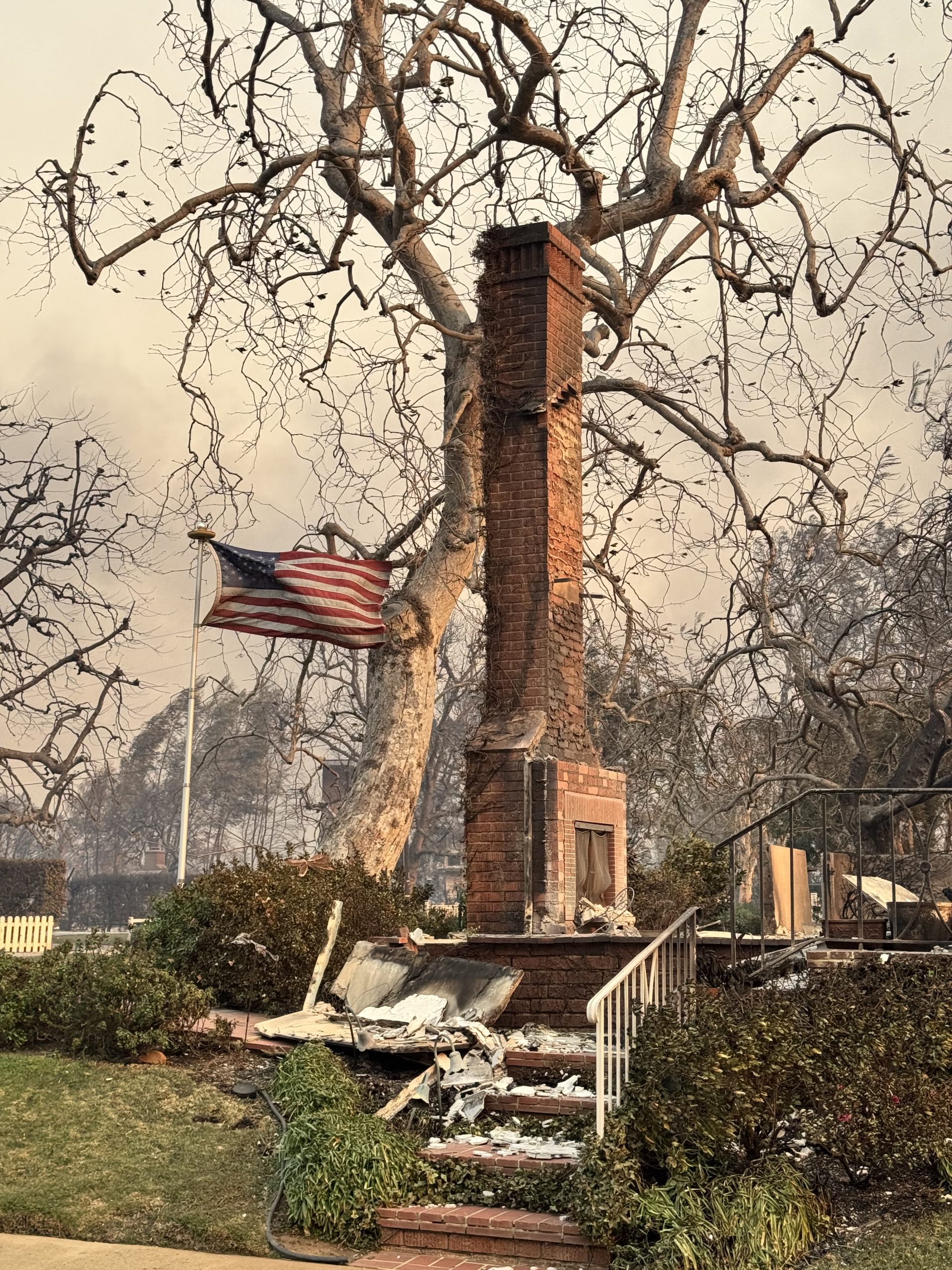
This was the moment when Light Equity established Light for LA, an initiative that the group hopes will “provide tools and resources to support a full recovery and bright future” for all affected. Methods to achieve this include building comprehensive, publicly accessible residential lighting guidelines and resources for sustainable, healthy lighting in residential development, while also providing builders, installers and homeowners with the resources and know-how to access the high-quality lighting equipment and technologies needed to light the modern home.
Beyond this, the group also hopes to create pathways to careers in lighting design and installation, prioritising underserved communities and offering skills-based training for sustainable employment. Finally, the group hopes to help “restore the spirit of the community” and a sense of place, by engaging in public outreach with all stakeholders, and advocating for supportive community lighting – connecting the community with public and agency officials to define target lighting outcomes and design standards.
“We would like to consult for those who haven’t hired us, and really try to put in place the structures to make that happen,” explains Albert. “Lighting design is both the job of being a consultant and a designer, and most of the consultancy portion is trying to understand the mechanisms and levers that have to be pulled to make a thing possible.
“Rather than waiting for the cities of Altadena and the Palisades to decide they’re going to hire a lighting consultant, we are trying to get out there and make a case for why it’s important, make the case for the opportunity they have at this point to really put some of that thinking into their communities, to build back the spirit of what they lost.”
Eaton continues: “At the time, I was reminded of a playwright friend of mine that I studied under, that was also a naval reservist. In 2001, on 9/11, he was called up to duty to go to Ground Zero, and his job as a naval officer and a writer and journalist was to document what was going on. He said at the time that he felt so helpless, because there’s this massive destruction, and what, he’s supposed to take a pen and paper and write down what he sees? His wife reminded him, ‘this is your skillset. I know you see people out there with their shovel and their bucket and they’re picking up the debris and trying to put it all back together, but that pen and paper is your bucket and shovel’.
“And I realised for myself and Nick and for our immediate community, our ability to engage the overall community about the impact that light can have on the experience of a space and the experience of life in that space is our ability to improve the lighting quality of what gets rebuilt. And so that’s our shovel. That’s our bucket. Let’s get to work.”
And so, as the group “gets to work” in establishing Light for LA as a non-profit, it has already begun engaging in both short-term initiatives within the community, but also looking at the bigger picture and developing long-term strategies with other likeminded organisations.
“Our main job right now is tilling the soil,” Albert says. “We have to create the opportunity for lighting design decisions to be made, because so many lighting decisions are made by things that have nothing to do with lighting many years before.
“In the Venn diagram of the lighting community and the larger community, we’re pushing up against the inside of that lighting circle, and trying to get some more overlap, to push that intersection into being able to occupy a bigger part of the conversation. Where Cy as a homeowner can’t think about his downlights today, we’re having conversations with city officials or community officials that are around the idea of masterplan guidelines.
“We’re also connecting with other complementary organisations. We’ve got some really good partnerships and connections to the folks in the SoCal branch of the National Organisation of Minority Architects (NOMA) – discussions on equity are incredibly relevant to that group, and the underserved communities in Altadena specifically are a particular point of interest for them.
“I am always blown away by this spirit of goodwill that exists in design and architecture in a larger sense. I think that most people design out of a real desire to make other people’s lives better. There’s no shortage of folks who are doing interesting things, and so we’re in a period of trying to form those partnerships where we can have an impact and leverage our combined resources.”
Indeed, the support from the lighting community is something that both Albert and Eaton have been particularly humbled by.
“It’s a thriving industry ecosystem,” Eaton adds. “The home systems integrator community is very strong here too, and as we’ve reached out to all of those various stakeholders in the overall industry, like fellow designers, manufacturers, reps, installer contractors, I realised quickly that everybody just wanted to be a positive part of the response, and not seen by the community as being opportunistic or profiteering in this process.
“They also wanted to see better outcomes, including the people that we cynically think are just in it for the money. They have embraced this paradigm that we’re offering out there that we’re going to provide a unified response, make it easier to make lighting easier for property owners and builders to make those lighting decisions, and then deliver on those decisions. So far, we’ve experienced near universal acceptance and support from all corners, and it’s now incumbent on us as a community to deliver on that, but I believe that we are heading in the right direction, so that we have all of these resources available for the community as they rebuild. And part of my job within the initiative is to be one of the bellwethers of where community members are in the process, as now is not the time to be in their face talking about lighting.
“Now is the time to be preparing the groundwork, tilling the soil, getting all those resources in place so that when they’re ready to start the conversations in about six months, we’re there for them, when they’re ready to start making decisions in about 12 months, they know where the resources are to make those decisions, and when real purchase and install decisions are happening in around 18 months, the guidelines are already in place to inform what equipment to purchase and how to install it in your home or community space.”
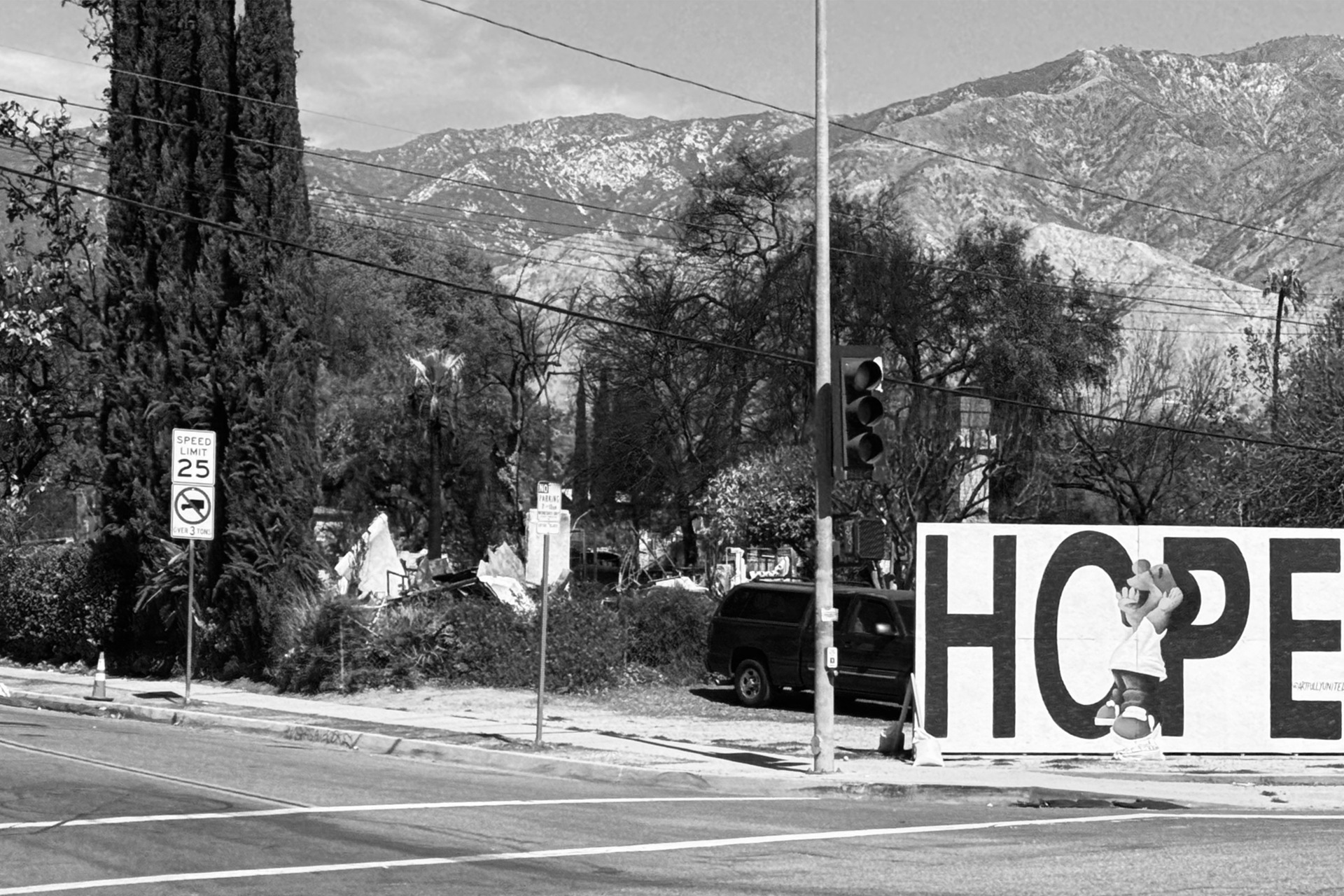 Albert continues: “If we work with the town council, if we talk about community lighting standards, a developer will then adhere to simple things. Don’t leave a motion detector floodlight on all night, don’t point things inextricably up to the sky. The Palisades and Altadena are both really interesting natural environments, they’re beautiful, natural spaces, and we can do something towards that.”
Central to the conversations surrounding Light for LA has been the idea of building back the “spirit” of what was lost in the fires – not necessarily just replacing, like for like, the luminaires and lighting infrastructure that was previously in place, but enhancing and building on the former lighting strategies, and creating something ultimately more equitable. This, Albert feels, is the “exciting part” of the process.
“This is where we get to talk about the subtleties of the lighting design, and we can talk about those value propositions that lighting design as a practice brings to the community. It’s the idea that just replacing the streetlights that were lost is not building the place back from this sense. What we can do is not only put back light as a function of the built environment, but we can help put back the character that’s the best memory of that place. We can build back people’s associations and their feelings about a space more than a lot of other things can.
“Most people will have a rosier memory of what they’ve lost. There’s always that association with memory that’s really important, and when we talk about building back, what we are trying to protect is the idea, the atmosphere, and the experience of what was lost. Folks like the Foothill Catalogue Foundation [a fellow non-profit organisation dedicated to rebuilding and restoring communities affected by the fires through a collection of pre-approved home designs for displaced residents to affordably and expeditiously rebuild] are making sure that rebuilt houses are stylistically the character of what was lost, and then we as lighting designers can come in and build back the character and quality of Altadena in a way that improves it, but keeps that core idea.”
However, Albert adds that there is a delicate balance between designing “for” people, and designing “at” people – meaning that Light for LA needs to tread the line between community consultation, and asserting one’s own knowledge and expertise as a lighting professional.
“In order to do this right, we’re going to have to have a pretty robust community outreach and community engagement programme. I’m as guilty as anyone at talking over the person on the other side of the table and telling them what I think, rather than listening to what they need, but it’s a good opportunity for us to improve.
“We’re starting partnerships with community advocates, who are experts at that sort of conversation, or listening and telling, and setting up the mechanisms of getting buy-in, and more gently moving people towards a solution that will benefit.
“I have conversations in every sphere of my life where people will say to me ‘lighting is everything’. They can never follow that up with another sentence. It’s something that people really viscerally understand, but don’t really know how to talk about. They don’t have the vocabulary to articulate what that ‘everything’ means to them. Part of what we have to do at this moment is help people develop that vocabulary so that they can talk to their contractor, or their public official, or their architect, or whomever, and communicate what they really want, and what’s really going to affect and improve their life so that somebody can then help them achieve that.”
At the time of writing, it has been six months since the LA wildfires, and while Light Equity has made some solid progress, Light for LA as an initiative is in the early stages of what will be a lengthy journey. Similarly, Eaton explains that, although progress has been made, the recovery process on the ground in Altadena and the Palisades will take some time.
“We’re still very much in the literal and figurative clearing of debris phase,” he says. “People who have lost everything are still adjusting to those paradigms and setting their lives back up – sometimes just down the street, sometimes across the country – while they consider next steps. The city has moved impressively fast at clearing the literal debris. A cleanup process that was initially estimated to take the full year is now 80-90% complete, in less than six months.
“The counterpoint to that is that there is now scrutiny as to what corners may have been cut to get to that milestone so quickly. And that brings us full circle to the concern as we move forward in construction, what corners may be cut in the interest of expediency that may shortchange homeowners in the long term with regards to the quality of the outcome, where you get a thing that looks like the home that you lost a year sooner, but something that is not going to last, not going to be as durable or as healthy, going to be more costly to maintain over time. That’s the concern. And we do see the beginning of engagement with adjacent trades within the Architecture, Engineering and Construction community that are thinking with a similar mindset: how do we take this opportunity to build correctly and more resiliently as a whole community so that we come out of this stronger?”

Simiarly, one of the biggest questions that Light Equity faces is how to keep the message of Light for LA at the forefront of people’s minds. The news cycle being what it is, to those not directly affected, the wildfires will already feel like old news, so how do they stay relevant, particularly when it will be a long-term project?
“It’s going to take a growing mass of supporters to maintain the momentum over time,” says Eaton. “It’s a long game kind of effort, it’s not going to be something that will be wrapped up by the end of the summer, or even by the end of the year, so to keep the urgency and the importance top of mind is a challenge.”
Albert adds: “I would hazard a guess that it’s embedded in almost every community-serving non-profit ‒ how do you stretch it out. One of the most notable differences that I am experiencing as we go through this process is time – design is fast, construction has always been the slowest part of what we do.
“Sometimes I’ll get a feeling of anxiety on a Thursday afternoon that I haven’t done enough, but I have to remind myself ‘this isn’t a design development deadline. It’s a longer timescale’. It’s also good, because it gives us the opportunity to tap into the altruistic desire in our design community to serve and to help in a way that doesn’t fatigue. Some of the first partnerships that we set up were with the IALD and IES, both nationally and locally, which gives us a mechanism to keep it in the community conversation.”
While the focus at the moment is, understandably, predominantly on the rebuilding efforts of Los Angeles, Light Equity does have longer-term ambitions that extend beyond Light for LA that it hopes will attract a wider, international response.
Albert continues: “We’re hyper focused on LA at the moment, because we want it to be a community-focused result. So, where the Light for LA application specifically should be supported by LA individuals, there are parallel and complimentary conversations that can and should happen elsewhere.
“I expect that Light for LA will be part of every lighting conversation in the city next year. I think that we will be a regular agenda item on the local IES chapter meetings. We are establishing a local board of advisors who are going to see names that everybody recognises from all segments of our community being involved.
“From that, we’re looking for this to grow organically. From the conversations that we have had with the IES and the IALD at a national level, they can understand how this is relevant beyond the scope of LA.
“But on a broader level, I want folks in our community to start thinking about this as a conversation that can happen in a lot of different arenas. My real hope and ambition was never based on disaster response. I want the tools that Light Equity will develop through the Light for LA initiative, and through other initiatives, and the larger community coming together, to be accessible to a 500-person town that just has this vague inkling that they’re going to change their tax district in the community centre, and they want to have a food truck night or a town art walk, some sort of experience that they’re grasping at, and they think lighting might have the answer for them.
“The real goal of Light Equity is to give them a set of tools that push that Venn Diagram over their experience, and get them into that set of opportunities where lighting can make a difference in their community – for good reasons as much as disaster reasons. Even if people are just having the conversation about lighting, we’re moving the needle.”
As Albert, Eaton, and the Light Equity team look ahead, while there is still work to be done, they can already feel proud of the efforts made. The group are already on track to have a Foothill Catalogue-designed, Habitat for Humanity house built with a Light Equity lighting design. And Albert hopes that, with every extra little victory that comes, the initiative will be a bigger and bigger success.
“I want there to be a real quantifiable, tangible value given to every dollar and man hour that’s volunteered as part of this,” he says. “For everybody that puts effort into this, I want them to see some results. Whether we’re looking at number of homes built, number of communities who have developed a lighting masterplan, number of products in a specific support category install, that’s how we know it will be successful.
“One of our most important jobs for the people who participate will be to remind them of the good things that they are doing, the impact that they are having, and telling those stories. I hope to be talking to you again about the kids that are eating breakfast in their new home, or the shop owner in Altadena that has a wine night now and it’s part of a new community ritual, or the folks in the Palisades that can see the stars now because there’s not so much sky glow. It’s really important to keep telling those stories and celebrating those little successes, because even a small effort will fundamentally change things for the better.”
