
ETC announces new Paris office with recent acquisition
(France) – The new Paris office follows the acquisition of local distributor Avab Transtechnik France.
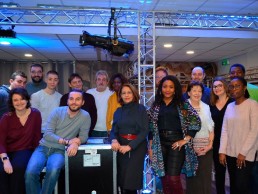
ETC has announced the opening of its newest office in Paris, France following the acquisition of local French distributor Avab Transtechnik France (ATF).
ATF has been selling and supporting ETC products for more than fifteen years. When owners Jean-Louis Pernette and Christian Rezgui retired in May, an opportunity arose for ETC to acquire the French company and increase its presence in the European market. With this acquisition, ATF becomes part of the ETC family and is officially named ETC France.
"I am extremely grateful for the dedication and effort Jean-Louis Pernette and Christian Rezgui have contributed through their leadership of ATF over the years,” said Fred Foster, co-Founder and CEO of ETC. “The close relationships they have built with our customers in France and the strength of the ATF team provide us with a solid foundation to build the future of ETC France. We wish them all the best in their future projects."
All ATF employees joined ETC as part of the acquisition. “The men and women of this organisation are our first force,” added Atika El Sayed, new General Manager of ETC France. “We want to continue to develop our presence in France thanks to this close relationship with the market that the team has been weaving for many years.”
ETC France is supported by current Regional Sales Manager, Daniele Peroni as well as Field Project Coordinators, Philippe Roy for ETC products, and Konstantinos Vonofakidis for the High End System’s brand.

IALD announce 2018 inductees to IALD College of Fellows
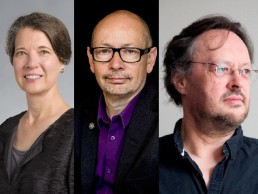
(USA) - Patricia Glasow, Mark Major and Kevan Shaw have been inducted into the IALD College of Fellows.
The IALD has announced that three new members have been inducted into the IALD College of Fellows.
Patricia Glasow, Mark Major and Kevan Shaw were formally inducted at the IALD Enlighten Americas 2018 conference in Seattle in October, and were recognised in the opening keynote speech from IALD President David Ghatan at the IALD Enlighten Europe 2018 conference in Barcelona on 7-9 November.
Glasow, Managing Principal of Auerbach Glasow, has designed and managed hundreds of lighting projects throughout North America, Asia and Europe. Formally trained in theatrical lighting design at University of California - Los Angeles, she worked for Walt Disney Enterprises early in her career, which served as her transition to architecture and the firm she has led and helped grow for the past 34 years.
As a Principal at Speirs + Major, Mark Major has worked on a wide range of award-winning projects, including the Millennium Dome, the Beijing International Airport, and the re-lighting of Saint Paul’s Cathedral. Major acted as the Lighting Design Advisor to the Olympic Delivery Authority for the London 2012 games, and in the same year was appointed to the Mayor of London’s Special Assistance team for the Outer London Fund. Most recently, he completed the “Lighting Vision” for the city of London.
Kevan Shaw’s career in lighting began more than 40 years ago, 30 of which have been at his firm, Kevan Shaw Lighting Design. Shaw’s achievements in the field of lighting design consist of more than 650 projects from around the world, across a broad range of fields. Recent notable projects include the Ashmolean Museum in Oxford, the Scott Monument in Edinburgh, and the Scottish Parliament Debating Chamber - winner of the 2018 Codega Award.
A devoted advocate for the lighting design profession, Shaw has served on the IALD Membership Committee, currently serves as a member of the European Union Regulatory Affairs Working Group, and will be completing his fourth year on the IALD Board of Directors at the end of 2018.
John Cullen Lighting opens new office
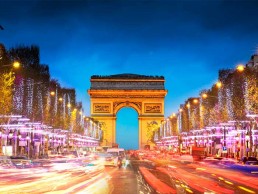
(France) - John Cullen Lighting opens its latest office in Paris this October, following on from its recent expansions in Dubai and Mumbai as part of its international growth.
The new location will enable the lighting firm to expand their brand and services to the French market, including residential and hospitality lighting applications.
Peter Rowledge, Director of International Sales said: “At John Cullen we are on a mission to inspire and educate people around the world to get the most out of light through perfectly executed world class lighting schemes. This new opening helps us to personally deliver our brand promise to this local market.”
CEO Peter van der Kolk added: “Our detailed approach will ensure that our international projects are finely crafted to evoke an emotional response to lighting. We are calmly understated and our mission is to help designers realise the power of light wherever they operate.”

MaxiLED MaxiEdge
The IP66 MaxiEdge DMX RGBW controllable fitting is perfect for window edge and corridor lighting. With a 180-degree viewing the MaxiEdge casts a sharp, precise beam of light around the surface area of window/door reveals or corridors. The unique design of the MaxiEdge allows seamless RGBW colour mixing and is available in intelligent white or any colour combination requested. Manufactured from quality materials and incorporating Patented 2 wire data over power technology, giving full DMX 512 control down the 2-power wires, makes it the simplest to install and most cost effective product of its type in the market place today.
KSLD Joins EFLA Consulting Engineering
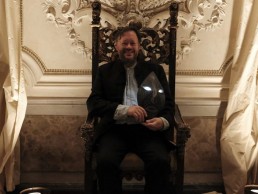
(UK) - KSLD has announced that it has joined EFLA Consulting Engineering with immediate effect, becoming the EFLA Lighting Design Division.
The two companies have been working together for some time, and this new merger allows the team to join forces, increasing the scale of practice and market access throughout the Nordic region.
“This move allows us to take our lighting design capability to exciting new levels, uniting remarkably complementary design teams focused on creating leading-edge solutions in lighting design,” a statement from KSLD read.
The increased resources available following the merger will allow for further expansion into other markets where KSLD is already active, including Europe and the Middle East.
Kevan Shaw, founder of KSLD, said: “I am very excited with the opportunities opened up by the merger with EFLA. In addition to the increased size and broader reach of the lighting design practice, close working with the other engineering specialisms in EFLA will open up new opportunities providing integrated design solutions.”
Kristján Kristjánsson, Senior Lighting Designer at EFLA, added: "These are exciting times for us at EFLA Lighting. KSLD and EFLA have been friends for some time and being able to go forward with one shared vision will make our fantastic team shine even brighter."
Since its inception in Edinburgh, Scotland in 1989, KSLD has built a strong reputation in a wide range of areas over the last three decades, building an extensive portfolio of award-winning lighting design projects, both in Scotland and internationally, including the Scottish Parliament Debating Chamber, which won the 2018 Codega Award.
Anolis appoints Peer Oestergaard as Sales Director
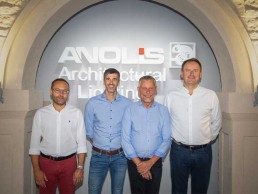
(Czech Republic) - Architectural LED lighting manufacturer Anolis has appointed Peer Oestergaard as Sales Director.
Oestergaard will manage and co-ordinate Anolis’ global sales team as the brand continues to build its profile, visibility and reputation internationally.
Anolis Director Tim Van de Eede stated: “We are delighted to have someone of Peer’s calibre and talent on-board. His personality, approach to business and smart outlook is the perfect match for us, and we share the same core visions for taking Anolis to the next level of operation.”
Oestergaard brings years of experience and skills to the Anolis team, having most recently co-ordinated complex international business for two other well-known architectural/architainment lighting brands.
Oestergaard has been working as a professional lighting designer since the 1980s and has always had a keen interest in architecture and the way dynamic lighting can transform and bring to life different spaces, objects and environments, from artworks to industrial, commercial and residential buildings. He also brings with him extensive contacts and a skill of thinking out-of-the-box when establishing new business opportunities.
“I am lucky enough to have worked on lighting some truly landmark projects worldwide over the years,” explained Oestergaard.
“I see huge potential in the brand. Anolis is already well established in certain areas, and has a name for outstanding quality and for thinking laterally to deliver practical custom requirements as needed.
“Anolis is a company of the future and I am looking forward to being part of a very positive and long term journey,” he affirmed.
Van den Eede added: “We are hugely excited to welcome Oestergaard and are all looking forward to a great collaboration and to him embracing the spirit and essence of our brand. This is the first of several important upcoming announcements for Anolis over the coming months.”
PLDC 2018 comes to a close
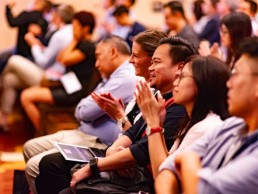
(Singapore) - PLDC 2018 had a successful event in their new location as part of their recent expansion to Asia and North America.
The well-known European conference cast its net further to capture audiences in Asia and North America with its latest edition in Singapore this year.
Aiming to demonstrate the changes in our society in terms of lighting, PLDC’s expansion to Asia was representative of the on-going development towards smart solutions for urban issues, such as lighting and public safety, mobility and IoT.
With an attendance of 774 international visitors, the event offered an array of interesting and educational talks, workshops and excursions, including the Gardens by the Bay, Atlas bar and the South Beach development.
Additionally, a further project that was presented in Singapore was the CPD platform, which will offer professional training from a wide range of providers, as well as encourage self-study on all levels. PLDCPD will deliver the structure and back-up required for high-quality continuing of education.
The concept is in line with the guidelines presented by the EU and fulfilled the requirements for applying for political recognition of Lighting Design as a scope of work that can be studied and a profession where practitioners can continue to expand their know-how and competence with time. The PLD Alliance, a movement founded to represent the international lighting community, took on the initiative to restart the process to achieve this goal.
It was also announced the Professional Lighting Design magazine will cease to be available in print, but will continue to be published online by the VIA publishing company. This recent online relaunch brought with it some new features to the platform, including a new aesthetic.
The next PLDC event will take place in the Netherlands at the Ahoy Rotterdam convention centre in 2019. The motto for this edition will be “merging masterminds”, which emphasises the importance of the experts and new talents involved in the PLDC events over the years. Rotterdam’s cityscape matched this motto well due to its combination of modern architecture, design and technology alongside its historically rich maritime and industrial background.
The Call for Papers to PLDC2019 is open until 16 November 2018.
Issue 106
arc Oct/Nov 2018 – Issue 106
Take note and vote…
Vote in darc awards / architectural for your free ticket to darc night (or just the satisfaction that you’ve done something epic)…
The success of darc room, London Design Festival’s lighting destination, was an important statement about the future of events for the architectural lighting design profession. Other than the biennial behemoths of the likes of Light + Building and Euroluce, we have seen large annual events on the wane in recent years.
darc room brings something different to the table with a creative, boutique event in London’s design district.
The exhibition in Shoreditch brought together 50 architectural and decorative lighting exhibitors and a progressive educational workshop and live streamed seminar programme curated by Light Collective. Making lighting specification an integral part of a festival of design to promote cross-discipline discussion and knowledge-sharing was always top of our priority list when establishing darc room and we were delighted with the diversity of visitors eager to learn about lighting design and technology as interior designers, architects, product designers and coders joined the lighting fraternity for a great two days.
In a similar vein, our darc awards / architectural is a unique concept and event that is a game changer for traditional awards programmes. All the entries are now in (every project in this issue is an awards entry) and the voting period has now begun (closing on 9th November). As usual, all independent lighting designers and light artists who vote (suppliers or non-lighting experts are not eligible to vote) in the awards get a free ticket for darc night, the darc awards party. And if you can’t make the event then why not vote anyway – it’s a great exercise for junior and senior lighting designers alike to keep abreast of the best lighting schemes all over the world.
This year’s awards party will take place on 6th December at MC Motors, London. We have all mourned the demise of the industry Christmas party so this year we decided to organise our own! As usual there will be a free bar and street food as well as lighting installations created by the sponsors and lighting design teams so it promises to be another exciting and creative night.
Paul James
Editor
arc

Nulty’s Studio N appoints Managing Director
(UAE) - Alexander Holler joins Studio N, Nulty’s new architectural lighting design studio, as Managing Director
Alexander Holler has joined Nulty’s new Dubai-based architectural lighting design studio, Studio N, as Managing Director.
Studio N aims to provide creative, simple lighting design solutions on projects in the region with limited budgets, and since launching earlier this year has seen rapid growth. The appointment of Holler is the latest step in this growth.
With a background in sales and business development, and a strong foundation in premium lighting solutions, Holler hopes to use his experience to help grow Studio N into a leading lighting design consultancy service.
“I want to continue to develop Studio N as the go-to partner when it comes to a flexible, efficient lighting design consultancy service,” he said. “I believe that the lack of budgets for lighting design often leads to a negative effect on the whole project. I don’t think that free design services, or the supply of cheap alternatives are helpful. I’m a true believer in quality work in all aspects.
“My focus is on building strong relationships with our clients, so we can continuously elevate their spaces through simple and creative lighting solutions.”

Fagerhult to acquire iGuzzini
(Sweden) - Fagerhult has signed a Letter of Intent to acquire iGuzzini, and hopes to complete the transaction before the end of 2018.
Fagerhult has signed a Letter of Intent (LOI) with the shareholders of iGuzzini to acquire 100% of the shares of the Italian lighting manufacturer.
Based on this LOI, Fagerhult is targeting signing a Share Purchase Agreement before the end of 2018. The transaction will be funded from a combination of debt finance and a new rights issue in Fagerhult shares.
Upon finalising the transaction, the Guzzini family will receive a significant portion of the consideration in Fagerhult shares, with the aim of becoming shareholders of the combined entity. Adolfo Guzzini and Andrea Sasso, President and CEO of iGuzzini respectively - in addition to remaining in their respective executive roles within iGuzzini - will assume important roles in the top management of Fagerhult.
The addition of iGuzzini, who in the financial year ending December 2017 recorded sales of approximately €230million, will significantly strengthen the Fagerhult Group’s position in the professional lighting market both in terms of the geographic presence and by adding leading complementary product ranges.
www.fagerhult.com
www.iguzzini.com
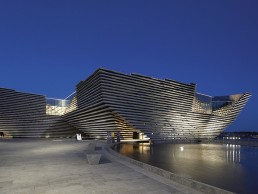
V&A Dundee, UK
If you’re in any way affiliated with the design world then you’ll no doubt have already seen countless images of the new V&A museum in Dundee, Scotland over the past few months.
The museum, designed by Japanese architect Kengo Kuma, opened in mid-September, and has been lighting up the design community with its unique, sloped façade, inspired by Scotland’s mountains.
As Scotland’s first design museum, V&A Dundee aims to tell a global story, investigating the international importance of design alongside presenting Scotland’s outstanding design achievements. At the heart of the museum, the Scottish Design Galleries feature 300 exhibits drawn from the V&A’s rich collection of Scottish design, as well as from museums and private collections across Scotland and the world.
The lighting brief for the museum was developed by Arup, in close collaboration with Kuma and the V&A, with Arup’s lighting team providing the design service for daylighting, architectural lighting to all front of house areas, gallery and exhibition lighting and the exterior façade lighting.
The distinctive architecture of the building presented clear objectives for lighting the spaces with an emphasis on daylight, architectural integration and sustainability. The lighting team brought with them experience gained from museums and art galleries across the world, including the V&A in London. Computational modelling allowed them to analyse the weather condition data and sun path across each day throughout the year in all areas of the building, allowing them to develop daylight strategies with the architect. It was particularly important that no direct sunlight entered the galleries, as exposure to UV lighting can be particularly damaging to some of the more sensitive exhibits.
This focus on daylighting played a key role in Arup’s designs, as a key aspect of the brief, alongside sustainability, was to reduce reliance on artificial lighting in the public spaces by providing daylight to spaces without introducing glare from direct sunlight.
Façade openings are formed to offer views out onto the water and across the city of Dundee, while providing good levels of daylight at the edges of the space. However, deeper into the space, daylight is provided by a series of large diameter sola-tubes that sit just above the perforated ceiling, delivering high levels of daylighting to the restaurant and main hall, giving the space a light and consistent appearance during the day.
For the temporary galleries, north-facing skylights integrated into the roof system bring in natural light where desired, while an adjustable blackout shading system integrated into the skylights allow the modulation of incoming daylight to meet different conservation requirements for different exhibitions.
Elsewhere, a series of small windows and one large window fitted with dual open weaved/black out blinds are strategically positioned in the Scottish Design Galleries to provide views out. An automated blind control system has also been installed here to ensure that the blackout blind is only deployed when the sun hits the picture window. This maximises the view outside, and the influx of daylighting, while protecting the sensitive exhibits inside. Above all, the careful use of daylight achieves an open and naturally lit environment without compromising sensitive exhibits.
Blending into this use of natural daylighting, artificial lighting has been sensitively integrated into the fabric of the building, providing comfortably lit spaces that enhance the architecture. For example, the main angled walls of the central foyer are softly lit from above, giving the space a warm and welcoming appearance.
Arup worked with exhibition designers ZMMA on the lighting for the Scottish Design Galleries, in consultation with the V&A. The artificial lighting for this space has been designed to accent and reveal the range of design objects, while light levels also vary, with the most sensitive exhibits being lit at levels just below 50lux. Track mounted projectors equipped with high colour rendering LEDs are carefully aimed and focussed to model and reveal the colours and textures of the objects on display.
Each of the galleries has its own lit character pertaining to the objects on display. This range of light qualities was achieved by using iGuzzini’s Palco track fittings, which provide a wide range of interchangeable optics and accessories to shape and direct light. These track fittings are installed on DALI tracks, and fitted with potentiometers to allow for local control. Within the display wall, Mike Stoane Lighting’s Surf is used to highlight the displays. These fittings are controlled via a local dimmer in each display, meaning that they can be set for the particular object on display.
A central feature in the Scottish Design Galleries is the Charles Rennie Mackintosh Oak Room (CRMOR) - an original Rennie Mackintosh oak tearoom reconstructed by Smith and Garratt. This has been designed as a truly immersive space, where the light quality of the original space has been reproduced using original glass fittings and concealed high quality LED light sources. Here, the original pendants and wall lights have been fitted with modern LED filament bulbs, retaining the desired feel of authenticity while ensuring that energy consumption is duly considered.
Concealed 3000k gobo projectors and cooler 6000k LED strips mounted behind glass provide a sense of depth and an abstracted quality of natural light to the space, while maintenance and emergency lights are cleverly concealed, so as not to disrupt the original ceilings.
The main hall meets a number of functions, and houses the ticket office/reception, a café and shop on the ground floor, and a restaurant at the first floor level. The unique angled walls of the space are softly lit from a high level, defining the edges of the space and providing a sense of warmth from the reflected light on the timber.
A simple concealed track system runs across the space at a dynamic angle, providing fixed general lighting and accent lighting to the café and retail spaces below. This also brings an element of flexibility for setting up the space for special events where additional lighting can be added to the tracks for this purpose.
The shop, designed by Lumsden Design, includes a feature display wall intended to represent the tidal flow of the Tay. The textural walls, and the merchandise, are lit from very narrow beam TTX2 track fittings from Mike Stoane Lighting, while the mobile retail units are lit from tracks above, and have integral linear strips under shelves to accent the smaller items on sale.
Adjacent to the main entrance and just into the main hall, visitors are welcomed with the café bar, smartly situated under the main stairs. The bar is illuminated mainly by the fittings integrated into the bar at various locations, providing a greater interest and distinctiveness in the otherwise dark under-the-stairs space, while a variety of LED strips from Deltalight are carefully hidden below the counter, under the shelves and into the food vitrines.
The first floor restaurant benefits from an abundance of natural light and an amazing view across the city. Wide beam projectors provide good general levels of daylight to balance the space, which are dimmed down at night automatically from the central control system, provided by Lutron. Between these, a series of accent projectors provide accent lighting to tables and the unique furniture details within the space. Accent lighting at the bar comes from shelves lit using Pixalux, and Rubn’s suspended Copolla amber glass pendants, that reflect the natural light beautifully during the day, and glow in the evening.
The restaurant features an open terrace for use day and night that is provided with battery-operated lanterns for the tables, while linear in-ground fittings uplight the façade, creating a backdrop for the space.
While the soft, warm interior illumination is evident during the day, it becomes a very inviting and key attraction at night, when you can see glimpses of the interior from outside, as the small windows built into the linear façade allow the interior lighting to glow out, giving the windows the appearance of small lanterns that reflect in the water around the building. Lights mounted in these reflecting pools surrounding the building uplight the exterior and reveal the complex forms and unique texture of the façade, designed to represent a Scottish rock face.
The central walkway under the building provides a dramatic space, where this uplighting of the detailed façade can be fully appreciated.
On completion, designers at Arup are pleased with the end result, and the way that the lighting, both natural and artificial, supports the architectural ideas for the building.
“The main double height foyer of the V&A is a great space to spend time in, and the longer you do, the more you become aware of the smaller details and geometries of the building,” said Laura Phillips, Associate Director of Lighting at Arup.
“The use of natural light in combination with artificial lighting to the angled walls is a key contributor to the success of this space and how it changes over the course of the day.”
Phillips also cited the collaborative nature of the process as another key factor in the project’s success, particularly in the gallery spaces. She continued: “Focusing the Galleries was a very collaborative process with the V&A team and ZMMA. The Scottish Design Galleries are quite unique in that they vary in colour and character depending on the exhibits on show. The lighting helps to bring out the inherent qualities of each exhibit, while providing a visually comfortable backdrop to the space.
“Creating the ambience in the CRMOR room through focusing and dimming of the custom decorative glass fittings was very rewarding, and is a very immersive space.”
Throughout the whole museum, Arup, alongside ZMMA, has created a remarkable, immersive visitor experience, that lives up to Kengo Kuma’s unique architectural design, and is certainly fitting for Scotland’s first design museum.
Sheikh Abdullah Al Salem Cultural Centre, Kuwait
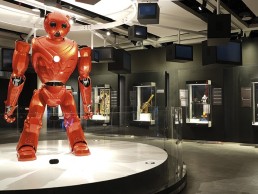
With a gallery area covering a vast 22,000sqm, the Abdullah Al Salem Cultural Centre is one of the largest museum complexes in the world, housing 22 galleries and thousands of exhibits. Its central covered thoroughfare acts as the spine of the space and evokes the feeling of walking down a busy Kuwaiti street, tying the complex together. There are six main museums across the complex: Ecosystems, Human Body & Mind, Our Earth, Arabic Islamic Science, Transportation & Robots and the Space Museum, along with multiple cafés and restaurants, educational rooms and theatres. Outside the museum complex stands an array of large-scale sculptures, including a rocket that is illuminated with Pulsar’s colour changing spots, creating an effective visual impact.
The Cultural Innovations team assembled more than 140 members, of which 30 specialised in content creation, interpretation and content development, alongside 25 exhibition designers with additional expertise for graphics, and audio-visual development. This group of experts were brought together from a variety of backgrounds, including universities, zoos, botanic gardens, museums and organisations such as the European Space Agency to provide advice and ensure scientific facts and interpretations were correct. Alongside this extensive team of experts for the internal content of these exhibits, the landmark complex was delivered in its entirety with the efforts of architects SSH Design and contractors Alghanim International and Beck.
The lighting design was completed by Sutton Vane Associates (SVA), which worked alongside 96 other consultants and sub-contractors from thirteen countries to bring the large project together on time. SVA was initially appointed to design all of the lighting schemes back in 2015. However, construction had not started at this point and a soft launch opening deadline was set for 2017, not giving the team long to devise and input their lighting design. Mark Sutton Vane, Director of the lighting firm, commented: “To build this huge project so quickly, the lighting design process was carried out backwards. The electrical contractor, SI, had to know where the fittings and the wiring were going to be, to give them time to install it all before Cultural Innovations, the designers, had designed all the displays.” In order to combat this issue, SVA designed a “generic toolkit of very flexible lighting, which could start to be installed and then was ready to light the amazing exhibits that the exhibition designers developed,” explained Sutton Vane.
During the initial stages of planning, the team at SVA carried out daylight and sunlight studies for each gallery space to give the architects and exhibit designers a crucial insight into where the hot spots of the Kuwaiti sunlight was getting in to. These studies also aided the architects in placing windows, specifying glazing and designing of electrical window blinds.
The lighting was specifically designed to be different for each of the individual museums in order to maintain visitors’ interest and to keep elements of separation visible between the varying subject matters of the museums.
For many of the individual exhibits, SVA used a large selection of fittings to specifically illuminate the artefacts and installations. Mike Stoane Lighting provided a large number of spotlights, many of which were built into the exhibits and provided a useful range of optics and powers for the teams to work with. For the more subtle illuminations, Applelec and Cooledge provided LED Light Panels for backlighting the exhibits and graphics along with LED Linear, which integrated linear lines of LED tape into the exhibits.
One example that took particular advantage of the varied lighting designs put in place was the Ecosystems gallery. A live forest of trees, creepers and bushes was put into the centre of the museum space, which posed a challenge for the lighting designers. It was extremely important, financially and practically, to keep the forest alive and flourishing, as the task of removing a full-sized dead tree was not an option for the Cultural Centre. SVA sought advice from planting specialists for the lighting levels needed for the living forest to survive. 26,000 high-powered lumen floodlights by GE Lighting were used to provide growth lighting. Additionally, the forest can be flooded with colour for special events. Sutton Vane described the visitors experience further: “Visitors enter this forest on a ten metre high walkway that goes through the trees. At the end there is a long sloping travellator that carries them down to the forest floor. Changing images of eyes and snakes in a projected jungle background spook the visitors as they move downwards, seeing the visions appear as they descend. An aquarium is in the same gallery space and its lighting had to be much lower to prevent the growth of algae. So, a lot of careful aiming and timing of the lights had to be carried out. This was all made a little easier in the end because some of the forest was made artificial, so did not need the high light levels originally planned.”
Martin Professional changeable gobo projectors were used to create the projected effects that visitors experience when moving down the travellators.
In an equally large gallery, a huge display showing how white blood cells move towards and attack bad bacteria in the human body is formed out of several thousand LED spheres. These spheres are all programmed to chase around the gallery in spirals moving towards large glowing models of bacteria. Some of the spheres are lit red to represent the red blood cells and others are white. Several days were taken to programme the various attack sequences of the UFO built LEDs and supporting structures to create the desired dramatic effects in the spiralled blood cell display.
In the Innovate gallery, designers created a forest of hanging light fibres by UFO that visitors push their way through and get lost in. Sutton Vane explained the design of this gallery space further: “All of the fibres change colour in a complicated programme to support the story that is being told by the graphics and the audio visual displays. There is a large sphere-shaped Planetarium in one of the museums that can be seen from outside. At night, twenty moveable multi-gobo and multi-wheel projectors, by Martin Professional, light the huge sphere with imagery that is representative of the main planets and the sun. So the sphere first looks like Mars, then like Venus, then the boiling Sun and so on.”
UFO also provided an external LED fibre optic map of the stars of the universe for people to gaze at.
Throughout all of the museums and galleries, luminaires have been built in to heighten the displays and in some gallery spaces the exhibits all appear to be lifted off the floor with glows under their plinths. A large combination of fixtures were installed across the complex, including downlights from acdc, miniature spotlights from LightGraphix, downlights from Reggiani, Linear LED profiles with built in optics by UK LED Lighting, Linear RGB LED strips by LED Flex and spotlights by Concord, Mike Stoane and Erco.
Notably, the Space Museum is an incredible feat for the design teams to undertake. A full size accurate replica of the International Space Station was created for visitors to explore. SVA spent a lot of time and effort to research and replicate the specific light fittings used inside the space station and matched them as best as possible to make the true replica.
In total, SVA specified over 20,000 light fittings from the multiple suppliers. Most of the fittings are DALI dimmable and some work on local DMX control systems. Philips Color Kinetics and Pharos Controls, both supplied by Architainment Lighting, provided control systems for controlling some of the DMX controlled lighting, which demanded fast changes in the exhibits or were controlled by AV or visitor interaction. Helvar completed all of DALI control systems across all of the museums.
Once construction of the complex was complete, it didn’t leave a lot of time for the implementation of the fixtures. SVA had two or three designers on site for months to carry out the aiming and programming of this huge site. They also acquired a team of Nepalese abseiling workers to aid in the focusing and aiming of the fixtures in the fourteen-metre high galleries across the museums. Sutton Vane described the challenges his team had to face during this process: “We had to teach them how to adjust the beams on the thousands of track mounted Concord Beacon Muse DALI spots and how to aim the fittings really precisely - one degree of rotation from fourteen metres up is a big distance down on the floor. At ground level, we gave them sample fittings to practice with and taught them simple instructions like ‘rotate left’, ‘rotate right’, ‘bigger beam’, ‘smaller beam’ and so on. This was made more complicated because they only spoke Nepalese and their boss only spoke Arabic and Nepalese! So everything was translated from English into Arabic and then from Arabic to Nepalese, which was then shouted up fourteen metres.”
Some decorative elements were also added: Original BTC with the Titan Size 1 decorative pendant lights and a bulkhead with retro LED lamp for a model plane installation. Traxon Technologies installed individually addressable RGB LED Dot XL 3 with domes for a black hole exhibit in the Space Museum. Also used were Megaman dimmable globe E27 lamps with opal coating and Instyle LED 24V ultra violet LED tape for black light effect lighting.
The hard work has paid off for the SVA team, winning them the Public Building of the Year at the ABB LEAF Awards in 2017. It has also been entered into the darc awards / architectural 2018 awards.